




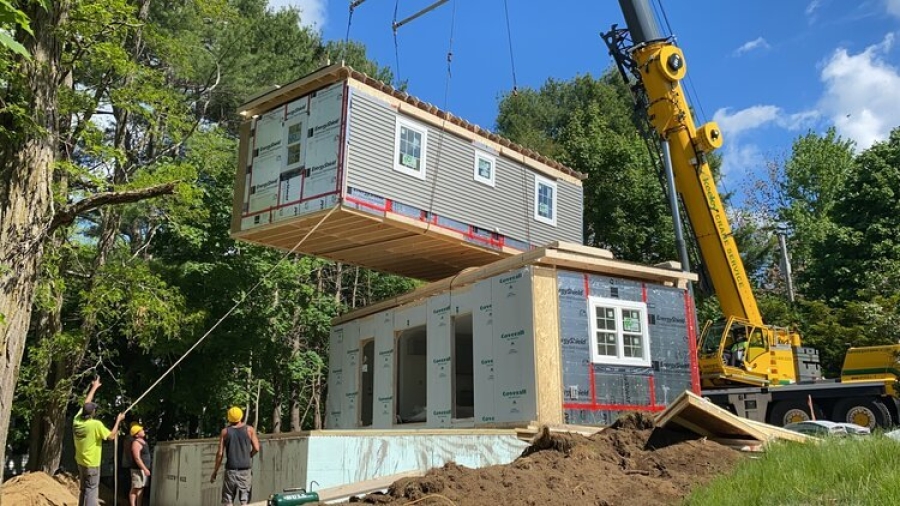
Construction stands as a complex endeavor, deeply reliant on machinery that performs heavy lifting, precise digging, and efficient transporting. Selecting appropriate equipment for each stage is essential, as machines do more than move materials—they drive progress forward. When equipment is chosen thoughtfully, the entire operation advances smoothly; when mistakes occur, complications grow exponentially, affecting timeframes, budgets, and outcomes.
Aligning Equipment to Project Specifics
Every construction project is defined by unique features—its size, landscape, climate, materials, and deadlines all influence which machines suit the work best. For large-scale commercial developments, heavy-duty excavators with powerful engines, sturdy bulldozers capable of shifting massive amounts of earth, and tower cranes with substantial reach and torque are indispensable. Conversely, smaller residential projects typically require compact, nimble machines, such as mini-excavators or compact track loaders, which navigate limited spaces effectively.
The terrain introduces distinct challenges. Rocky substrates, sloped areas, swampy grounds—each demands specific machinery designed to operate reliably under those conditions. Using generic equipment on difficult terrain frequently results in mechanical failures and delays. Climate further impacts machine performance. Extreme heat can cause hydraulic systems to overheat or seize, while freezing temperatures slow or stop machines altogether. Choosing equipment engineered or modified for local environmental conditions enhances uptime and reliability.
Economic Impact of Equipment Management
Equipment is not simply a tool; it is a major economic factor in any construction project. Costs associated with machinery often represent a quarter to nearly half of the total project budget. Machines that sit idle continue to consume resources through rental fees, depreciation, fuel, and insurance. Therefore, ensuring high utilization rates is crucial to maintaining profit margins.
Workflow coordination plays a vital role. Excavators must dig precisely, loaders must transfer materials without delay, and haul trucks must maintain consistent movement to avoid bottlenecks. Any disruption in this sequence causes ripple effects that slow the entire operation.
Maintenance routines demand careful attention. Regular inspections, timely repairs, and preventive servicing reduce the risk of sudden breakdowns that can halt progress for hours or days. In this way, maintenance transcends a simple checklist; it becomes a key strategy for risk mitigation.
Ownership Versus Leasing or Renting
The decision to purchase machinery outright, lease, or rent depends on the project scope and frequency of equipment use. Buying machines allows immediate availability and full control but requires substantial capital outlay and ongoing upkeep. Storage and transportation add further costs.
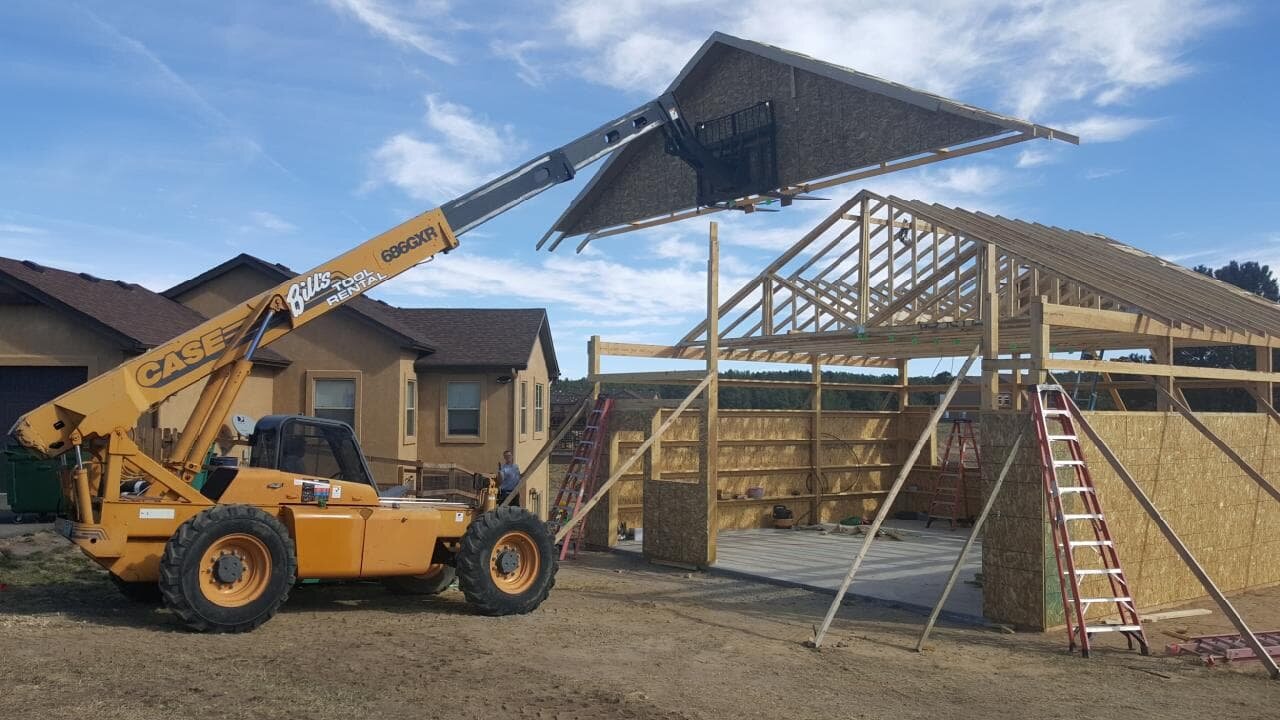
Leasing or renting equipment works well for specialized tools or those required only during specific project phases. This approach minimizes upfront investment and maintenance responsibilities but can encounter availability issues during peak seasons. Rental prices often increase when demand surges.
Successful firms tend to blend these approaches, owning essential core machines while renting or leasing others as needed. This strategy balances flexibility and cost-effectiveness.
Risks and Costs of Incorrect Equipment Choice
Employing machinery unsuitable for the task size or conditions leads to inefficiencies and expense increases. For example, deploying a small bulldozer to clear a large site increases fuel consumption and operational hours, resulting in inflated costs. Similarly, compact excavators struggling through hard, rocky earth face excessive wear and reduced productivity.
Beyond physical strain on equipment, missing safety features or lacking the correct attachments can reduce operator confidence and slow work pace. Risks of accidents rise, and overall morale can decline. Data from multiple projects indicate that incorrect equipment selection is a primary cause of delayed timelines, budget overruns, and wasted materials.
Incorporating Modern Technologies
Equipment now integrates advanced technology designed to improve performance and reduce costs. Telematics and GPS provide managers with real-time data on machine locations, operating hours, and fuel consumption. These insights enable more informed decisions, allowing adjustments to optimize usage.
Predictive maintenance leverages sensor data to anticipate failures before they occur, cutting downtime. Autonomous or semi-autonomous machines perform tasks such as grading or jackhammer operation, extending productive hours without increasing labor costs. This technological evolution shifts heavy equipment from simple mechanical tools to intelligent assets.
Environmental and Efficiency Considerations
Modern engines produce fewer emissions, lessening environmental impact and avoiding regulatory complications. Compliance with noise and pollution standards is increasingly necessary to maintain project continuity.
Proper equipment selection minimizes material spillage and the need for costly rework, which studies attribute to as much as 40 percent of project cost overruns. Machines with modular components and durable designs prolong their useful life, delivering value well beyond initial purchase.
Importance of Skilled Operators
Even the most advanced machinery cannot perform optimally without skilled operators. Certification programs enhance operator competence, raising productivity while reducing incidents. Cross-training within crews builds operational resilience, allowing teams to adapt when key personnel are unavailable.
Digital literacy is essential. Operators and managers must understand how to interpret dashboard alerts, GPS tracking, and maintenance indicators. Knowing when to act on this data prevents small issues from escalating.
Insights from Field Applications
In Europe, a developer outfitted multiple mid-rise buildings with midsized machines equipped with digital tracking systems. This investment resulted in a 15 percent reduction in idle time and a 10 percent decrease in fuel use. Deadlines were more consistently met, improving client satisfaction.
In Southeast Asia, a contractor employed a mix of owned excavators and rented skid steers to conduct grading and trenching in quick succession. This approach eliminated downtime between tasks and maintained steady progress.
Hidden Challenges in Equipment Management
Some equipment-related problems are less obvious. Delays in routing or equipment delivery can disrupt schedules for days. Minor accidents or insurance coverage gaps may result in unexpected downtime. Regulatory requirements related to noise, emissions, or safety standards can require last-minute equipment swaps, adding cost and complexity.
Developing a Strong Equipment Strategy
Maintaining efficiency and profitability in construction begins with thorough planning. Detailed equipment lists for each phase—from earthmoving to final finishes—help avoid surprises. Maintaining a core fleet while supplementing with rentals allows adaptability.
Adoption of digital tools for tracking and diagnostics becomes a standard practice. Training programs for operators, supervisors, and analysts ensure everyone contributes to smooth operations. Reviewing data from past projects provides lessons to refine future equipment choices, schedules, and budgets.
Final Reflections
Across various climates, cultures, and project scales, the effectiveness of construction work depends heavily on machine selection and management. Thoughtful equipment choices, combined with regular maintenance, skilled operation, and technological support, contribute to timely and cost-effective project delivery. This approach fosters stability and progress that goes beyond the physical materials—shaping how construction meets the challenges of the modern world.