




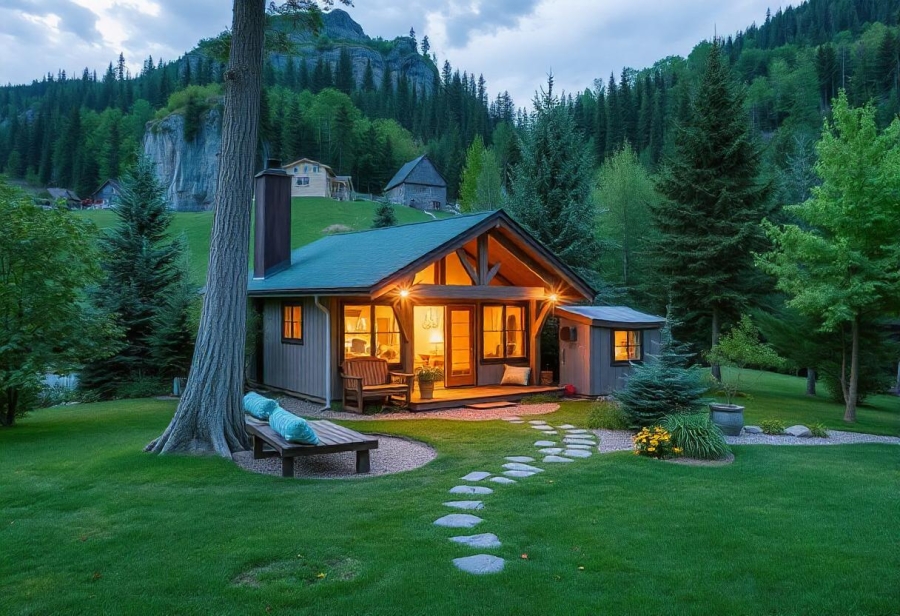
The rise of remote work has profoundly reshaped the American landscape, transforming how and where people choose to live. Freed from the daily grind of commuting, millions of workers are rethinking their proximity to traditional urban job centers. This seismic shift has spurred a migration from high-cost cities to more affordable, spacious, and scenic locations. As a result, previously overlooked regions are emerging as new real estate hotspots, while metropolitan housing markets are undergoing a recalibration.
The Remote Work Revolution
The COVID-19 pandemic was a turning point that accelerated the adoption of remote work. What began as a temporary solution for public health has become a long-term reality for many industries. Surveys indicate that while some companies are urging workers to return to the office, a significant percentage of employees prefer a hybrid or fully remote work arrangement.
This newfound flexibility is empowering workers to prioritize lifestyle over location. Without the need to live near corporate headquarters, many are seeking places that offer more space, lower living costs, and a better quality of life.
Migration Patterns and the Rise of Secondary Cities
As workers decouple from their office desks, they are fueling population growth in smaller cities and rural areas. Secondary cities like Boise, Idaho; Asheville, North Carolina; and Bend, Oregon, have experienced surges in demand. These places offer a mix of affordability, natural beauty, and a slower pace of life compared to major metropolitan areas like New York, San Francisco, and Los Angeles.
For example, Boise, once considered a quiet outpost in the Mountain West, has seen housing prices soar as remote workers flock to the area. According to the National Association of Realtors, Boise was one of the fastest-growing housing markets in the U.S. during the pandemic. Similarly, Asheville's vibrant cultural scene and access to the Blue Ridge Mountains have made it a magnet for remote workers seeking a balance between work and leisure.
The Appeal of Scenic and Affordable Living
Remote workers are also drawn to scenic locations that were once primarily regarded as vacation spots. Lake communities, beach towns, and mountainous regions are no longer just places to visit—they are becoming permanent homes. States like Colorado, Maine, and Tennessee have reported an influx of new residents who are seeking a lifestyle change.

In addition to aesthetics, affordability plays a critical role. Skyrocketing housing costs in urban centers have made homeownership unattainable for many, especially younger workers. Remote work offers an escape hatch, allowing people to settle in areas where their dollars stretch further.
For instance, a tech worker earning a Silicon Valley salary can afford a significantly larger home in a place like Bozeman, Montana, while still maintaining their income level. This arbitrage is reshaping the economic landscape of smaller towns, often driving up local housing prices as demand increases.
Challenges for Both Urban and Rural Areas
While the rise of remote work has opened new doors for workers, it has also introduced challenges. Urban centers that were once thriving hubs of activity are grappling with declining demand for office space and high vacancy rates in rental properties. Neighborhoods reliant on the commuter workforce—such as those near business districts—are facing economic uncertainty as local businesses lose foot traffic.
On the other hand, smaller towns and rural communities are experiencing growing pains. The influx of remote workers has led to higher housing costs in areas that were historically affordable. Longtime residents in these communities are often priced out of their own neighborhoods, sparking tensions and debates about equitable growth. Infrastructure, too, is a concern; not all rural areas are equipped to handle rapid population increases, particularly when it comes to schools, healthcare facilities, and broadband internet access.
The Role of Employers and Policy Makers
As remote work solidifies its place in the modern economy, employers and policymakers are grappling with its long-term implications. Companies are exploring ways to maintain productivity and cohesion among distributed teams, while governments are looking at policies to support equitable housing development.
Some regions are actively courting remote workers as part of their economic strategy. States like Vermont and West Virginia have rolled out incentive programs, offering cash grants to remote workers who relocate there. These initiatives aim to stimulate local economies by attracting a younger, tech-savvy workforce.
What Lies Ahead?

The relationship between work and home has been irrevocably altered, and the ripple effects are still unfolding. Urban centers are unlikely to vanish—history shows that cities adapt to economic and social changes. However, their role may shift as remote work reduces their monopoly on opportunity.
Meanwhile, smaller towns and scenic locales are navigating their new identities as hubs of remote work. The challenge will be to balance growth with the preservation of their character and affordability. For policymakers, the focus should be on fostering sustainable development that benefits both newcomers and existing residents.
The real estate market will likely remain dynamic in the coming years, with shifts in remote work policies continuing to shape demand. As technology evolves and companies refine their approaches to flexible work, the way people think about “home” will continue to evolve.
Remote work has given many the freedom to choose where they live without sacrificing their careers. But with this freedom comes responsibility—to build communities that are inclusive, resilient, and prepared for the complexities of a rapidly changing world.