




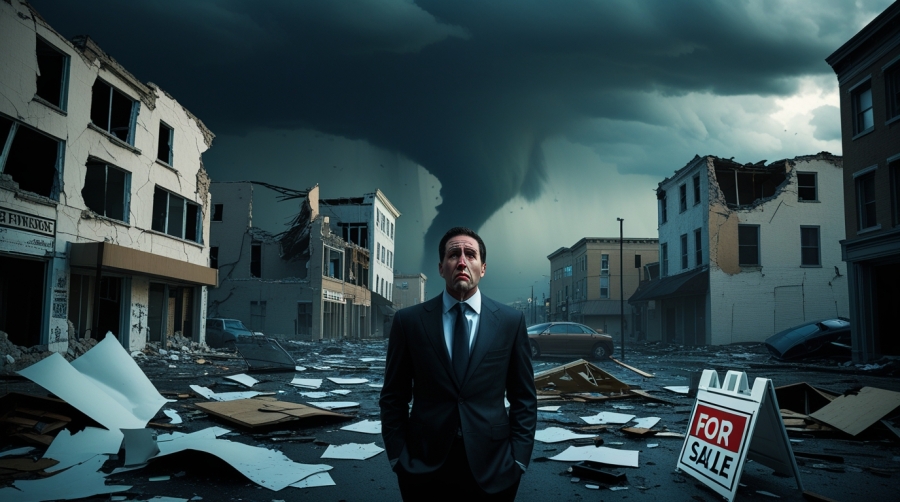
When the financial scaffolding of a nation crumbles—whether through stock market implosions, runaway inflation, or the bursting of an overinflated housing bubble—the real estate sector is inevitably caught in the crossfire. Property values, mortgage accessibility, and investment strategies shift dramatically, painting an unpredictable landscape that can be both perilous and opportunistic. The ripple effects of an economic meltdown demand a keen understanding of historical precedents, economic mechanisms, and the policy maneuvers deployed in response.
2008: A Financial Cataclysm That Reshaped Real Estate
The 2008 financial crisis remains one of the most visceral examples of how real estate markets can collapse under the weight of systemic financial instability. The reckless proliferation of subprime mortgages, coupled with the intricate web of mortgage-backed securities, fueled an unsustainable housing boom. When the inevitable correction arrived, foreclosure rates skyrocketed, home values plummeted, and financial institutions found themselves hemorrhaging capital. Liquidity vanished overnight, unemployment surged, and consumer confidence hit rock bottom.
In the immediate aftermath, millions of homeowners found themselves in negative equity, burdened by mortgages that exceeded their property values. Banks, reeling from the fallout, tightened lending criteria, freezing out potential buyers and exacerbating the demand crisis. Simultaneously, rental markets became inundated with former homeowners seeking refuge, triggering rent hikes in numerous urban centers. This economic convulsion exposed the fragility of real estate when financial systems spiral into chaos.
Stock Market Freefalls: A Precursor or a Parallel?
Stock market collapses and real estate downturns do not always move in lockstep. While a financial crash can deplete household wealth and suppress consumer confidence, its effects on housing markets depend on underlying economic conditions. For instance, when the dot-com bubble burst in 2000, billions in speculative tech investments were wiped out, yet housing markets remained relatively unscathed. The reason? The overvaluation was largely confined to equities rather than real estate. However, in crises where housing speculation fuels the bubble—such as 2008—the sector bears the full brunt of the implosion.
Hyperinflation: The Double-Edged Sword of Real Estate
Hyperinflation presents an entirely different beast. In environments where currency values disintegrate at breakneck speed, tangible assets like real estate often serve as a hedge against monetary erosion. However, the benefits are not unilateral. If inflation spirals out of control, central banks typically respond by jacking up interest rates, making mortgage financing exorbitantly expensive and stifling property transactions. Simultaneously, surging construction costs can bring new developments to a grinding halt, throttling housing supply at a time when stability is needed most.
The Role of Government: Bailouts, Stimuli, and Regulatory Shields
History shows that when economic disaster strikes, governments step in with an arsenal of interventionist policies. In response to the 2008 debacle, the U.S. government rolled out a suite of rescue measures, from mortgage relief programs to liquidity injections aimed at stabilizing financial institutions. These actions tempered some of the immediate damage, yet long-term recovery depended on broader economic revitalization and stricter regulatory frameworks to prevent a recurrence. The effectiveness of such interventions is always a double-edged sword—while they can soften economic blows, they may also introduce moral hazard, encouraging risky behaviors that fuel future crises.
Is Real Estate a Safe Haven During Economic Upheaval?
The age-old debate on whether real estate is a resilient asset during economic downturns is riddled with complexities. On one hand, property holds intrinsic value and provides a physical utility that intangible financial assets lack. It can act as a shield against currency devaluation and stock market volatility. On the other hand, real estate is far from immune to economic shocks—values can plummet, demand can evaporate, and liquidity can be severely constrained when lending dries up. Investors seeking refuge in real estate must weigh economic indicators, property location, and asset class before making decisive moves.
Strategic Survival: Tailored Approaches for Different Stakeholders
Investors: Diversification is the linchpin of survival. By spreading investments across different property types and regions, investors can mitigate localized risks. Keeping liquidity reserves also enables opportunistic acquisitions of distressed properties at steep discounts.
Homeowners: Avoiding excessive leverage and prioritizing equity accumulation can safeguard against unexpected downturns. Opting for fixed-rate mortgages provides insulation against volatile interest rate spikes, ensuring long-term financial stability.
Renters: As economic instability pushes more individuals out of homeownership, rental demand often surges, driving up costs. Securing a long-term lease with fixed rental rates can provide financial predictability in uncertain times.
The Takeaway: Real Estate in the Eye of the Economic Storm
When financial systems falter, real estate markets react in ways that reflect the depth and nature of the crisis. While property may serve as a refuge for some, it can also become a trap for those caught in high-leverage situations or volatile market conditions. Whether as an investor, homeowner, or renter, the key to navigating economic turbulence lies in foresight, adaptability, and a firm grasp of historical patterns. Understanding the dynamics at play is the first step toward making strategic decisions in an unpredictable economic landscape.