




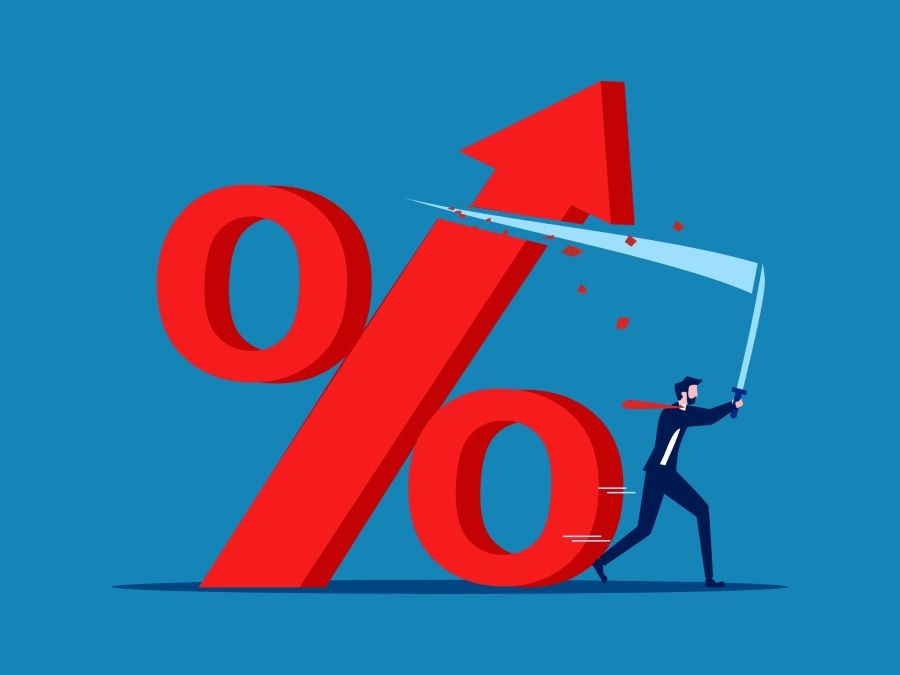
The Fed recently announced at their last round of meetings that they would stand pat on any rate moves. The Federal Reserve Board meets once every six weeks or so and at those two-day meetings they discuss a lot of things that have to do with monetary policy. Primarily, they adjust the cost of money. Not directly to the consumer but indirectly so. The Fed does, however, affect the cost of funds to banks. When banks need to replenish their reserves, they can do so directly from the Federal Reserve. Why do banks do this?
Banks are required to keep a certain amount of liquid cash on hand in order to meet potential ‘bank runs’ where customers all demand to withdraw their money at the same time. Remember the scene ‘It’s a Wonderful Life’ when there was a bank run and many of the bank customers wanted to withdraw their cash? The bank was able to do that and they had like one dollar remaining. The Fed wants to avoid any such scene happening. That’s why the Fed requires a specific amount of capital on hand.
But when banks issue loans, it can deplete these reserves. When that happens, they go to the Fed ‘window’ and request a specific amount of funds to replenish their cash reserves.
Now back to the cuts. The Fed pays close attention to inflation gauges. If the Fed sees prices are beginning to increase in certain sectors, they may decide to slow the economy down a bit. They do so by increasing the cost of money so bank borrowing gets more expensive. And banks don’t weather that storm alone, the banks pass those rate increases onto their borrowers.
Conversely, should the economy begin to slow down, they can lower the cost of funds to make borrowing less expensive. At the most recent round of meetings, they decided to do nothing. It might have been expected by some that the Fed would start to lower rates. But inflation still remains stubborn. The economic pundits still think we’ll see more cuts throughout the rest of the year, may three or four 0.25% drops.
Will that translate directly into three or four 0.25% cuts? Not exactly. Rates overall, including mortgage rates, should fall but not in lockstep with the Fed. These folks anticipate Fed moves, not react to them. If inflation continues to cool and the economy starts to show signs of slowing down, the rate cut wagon will start to move.