
In today's world, social media has become the dominant platform for shaping perceptions. Scroll through Instagram or TikTok, and a curated universe unfolds. Perfectly filtered posts of private jets, designer handbags, and lavish vacations make the everyday seem mundane. But this image of a luxury lifestyle, propagated by influencers, raises one vital question: Is luxury being reduced to nothing more than a marketing mirage?
There’s no denying the allure of luxury. The opulence, the exclusivity, the sense of "having made it" — it’s all part of a narrative that taps into deeply ingrained human desires. But behind the glimmer of influencer lifestyles, there’s a growing sense that this spectacle is nothing more than smoke and mirrors.
The Glamour of Influencer Culture
Influencers, once a niche group, have now ascended to near-celebrity status, thanks to platforms that reward engagement and visibility over substance. Brands, eager to capitalize on these massive followings, are throwing extravagant gifts and hefty paychecks to individuals whose primary currency is their online clout. The result? A digital world where luxury is flaunted as the ultimate badge of success.
But who are these influencers, really? Many have built their followings based on nothing more than aesthetics, riding the wave of fleeting trends. Their appeal is less about true influence and more about the illusion of influence. Their ability to convince a mass audience that their lives are embodiments of success — that buying what they wear or use will bring others closer to that ideal — is a masterclass in manipulation.
However, at what point does this manufactured image diverge from reality?
Luxury as a Construct
Let’s strip away the filters and examine what “luxury” has come to mean in the age of influencer marketing. It’s no longer about craftsmanship, history, or even genuine exclusivity. Luxury, now, is whatever the influencers tell their followers it is. A designer bag that was once a statement of taste is now nothing more than a prop for an Instagram post. That aspirational lifestyle isn’t built on substance; it’s built on branding and optics.
Luxury today has been democratized — or so it seems. But the truth is, it’s been diluted. When everyone can showcase "luxury" through staged photoshoots or rented props, its value diminishes. The influencer economy thrives on this superficiality. It’s not about owning the luxury item; it’s about being seen with it. And that’s where the illusion becomes clear.

The Rent-and-Return Game
In the influencer sphere, many of the so-called luxuries are not owned but rented. Platforms like Rent the Runway or peer-to-peer services now allow influencers to pose in high-end fashion or jet off to exotic locations for the perfect photo op, only to return to their everyday lives once the camera’s off. The illusion of affluence becomes a central part of their personal brand, making it appear as though their lives are perpetually glamorous.
This creates a dangerous cycle. Followers are led to believe that influencers are living these luxurious lives 24/7, and they aspire to the same, often going into debt to achieve this unattainable standard. It’s not just an illusion for the influencer; it becomes a social disease, where thousands or even millions of people are chasing a mirage that doesn’t truly exist.
The Financial Mirage
It's important to also address the financial aspect. Influencers often make a hefty income from sponsorships, collaborations, and affiliate marketing. Luxury brands have latched onto this, recognizing that influencers can push products to millions in a matter of seconds. And herein lies another layer of illusion: the influencers themselves often cannot afford the very lifestyle they’re promoting. Behind the sponsored content are contracts and deals that fuel the luxuries flaunted on social media.
But what happens when the influencer’s appeal fades? When followers move on to the next big thing? For many, the illusion shatters. The income dries up, the sponsorships fade, and suddenly, that rented luxury life crumbles. It's a precarious balancing act — maintaining relevance while appearing to lead a life far more opulent than reality permits.
The Impact on Society
The problem with this mirage is that it doesn’t just stay confined to the influencer’s feed. It seeps into the broader culture. Society has become obsessed with wealth and status, and influencer culture has fueled that fire. The chase for luxury has created a toxic cycle where people are convinced that owning high-end products is the key to happiness, success, and validation.
The line between reality and fiction blurs, with the young and impressionable audience absorbing the false narrative that buying more — spending more — is the way to elevate their worth. It’s a classic case of keeping up with the Joneses, except now the Joneses are influencers who have perfected the art of presenting a perfect, unattainable image of wealth.
What many don’t see is that this influencer-driven luxury comes at a cost. The average person striving for this lifestyle is left chasing a dream they can never quite reach. The constant bombardment of luxurious content on social media breeds dissatisfaction, leading to financial strain, stress, and a pervasive sense of inadequacy.
The Responsibility of Brands and Influencers
Brands are complicit in this illusion. Luxury brands, in particular, are acutely aware of the power influencers wield over their followers. They are more than willing to supply influencers with goods and experiences in exchange for access to their audiences. But in doing so, they’re perpetuating a false image of wealth and success, blurring the lines between authenticity and marketing.
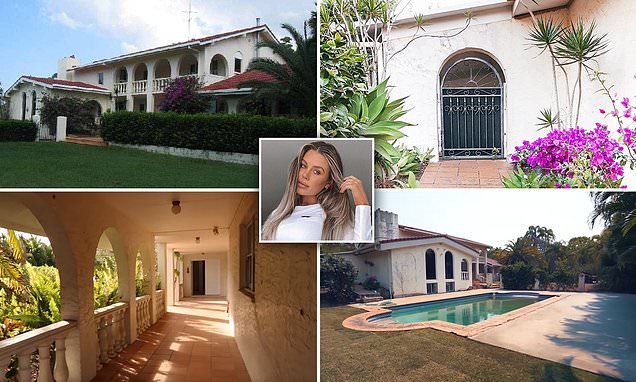
Influencers, too, need to take responsibility. Many are aware of the influence they have over their audiences but choose to prioritize profit over honesty. It’s not enough to post disclaimers or sponsored tags; transparency about the realities behind their curated lifestyles is crucial. Followers deserve to know when the luxury they’re seeing is rented, borrowed, or simply unattainable for most.
Unmasking the Mirage
It’s time to unmask this illusion. Luxury, when reduced to a marketing tool, loses its luster. True luxury is rooted in craftsmanship, quality, and exclusivity — not in how many likes a post can generate. Social media may have democratized access to certain luxuries, but it has also commodified them, turning what should be an aspirational pursuit into a hollow status symbol.
The real tragedy here is that so many are chasing after a reality that doesn’t exist, sacrificing their well-being, financial stability, and happiness in the process. And for what? To keep up with a fabricated ideal that was never meant to be real.
It’s time to stop buying into the illusion and start asking tougher questions. How did luxury become something so shallow? And more importantly, how can we reclaim its true meaning?