




If you’ve been grocery shopping or have tried to order goods since the quarantine began, you know that TP is today’s hot commodity. When you’re down to your last roll and you manage to find a package of Charmin in the store, it feels like you’ve won the lottery. Despite this, we’ve been assured over and over that there is no REAL toilet paper shortage.
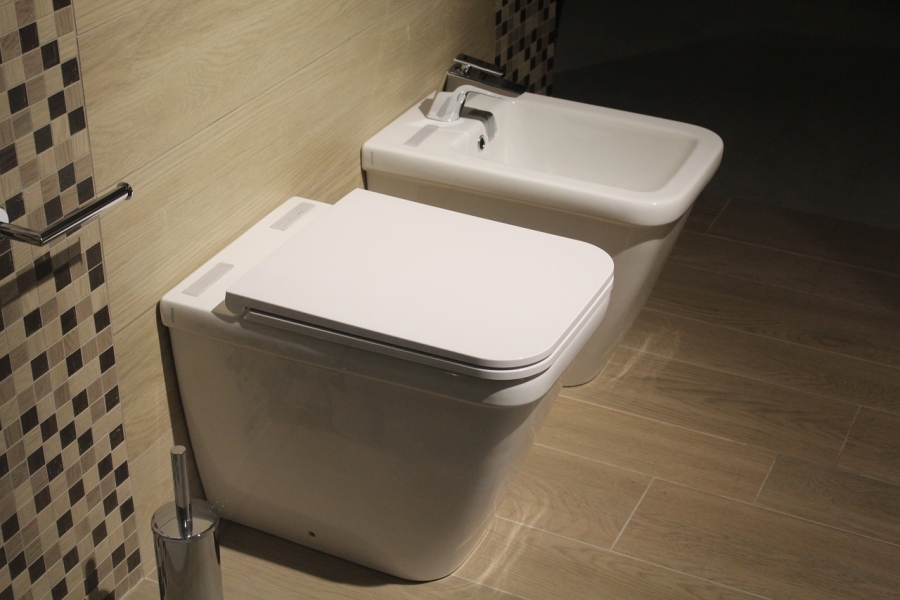
But it all begs the question: Is it time for Americans to embrace the idea of the bidet?
“The toilet paper shortage is a myth, but it's as good a time as ever to reduce your TP usage,” said GQ.
What is a bidet?
“In brief, a bidet is a fixture equipped with a water stream meant for post-toilet personal hygiene,” said The Spruce. “It's a common sight in bathrooms throughout Europe and Asia. In Japan, where bathing is a revered ritual, nearly every home boasts a toilet with a built-in bidet, a modern hybrid that's become a must-have amenity in many luxury hotel bathrooms.”
How much do they cost?
The price for a bidet can be a little or a lot, depending on which features you want.
“If you're on more of a Toyota budget, you can start with cheaper options that cost around $200,” said POPSUGAR. “If you really want to spring for your throne, you could pay up to $1,000 for a bidet that will have extra features such as an automatic lid that opens and closes with the touch of a button, an LED nightlight, stainless steel nozzles that look prettier than plastic ones, and a heated seat.”
Of course, that’s for a self-contained bidet, which would have to be installed as a separate unit. Another, quicker, more economical, and increasingly popular option is to add a bidet attachment to your existing toilet.
“For a long time, a bidet was something only encountered in fancy hotel bathrooms or Japan,” said GQ. “But at its most basic, it's just a little hose inside your toilet that shoots water up right where you need it. In recent years, tons of companies have started bringing bidet attachments, which can easily be installed onto an existing toilet without the help of a professional plumber, to the United States.”
The “unfortunately named” Tushy is one of them, and the company “has seen sales increase tenfold since word began to spread about toilet paper shortages.” This bidet attachment can be installed in minutes using only a screwdriver.
If you can’t get your hands—or your tush—on this one, there are several other bidet attachments to consider. Or, you can get:
• A toilet with an integrated bidet, like Toto's compact Washlet G500, which “comes with a built-in deodorizer, sensor-activated lid opener, and hands-free automatic flusher,” said The Spruce.
• A bidet seat, which “instantly converts your toilet into a high-tech throne. With electronic models, the touch of a button extends a small nozzle beneath you that sprays a comfortable stream of warm, aerated water. When you’re done, the nozzle automatically cleans itself before retracting back into its sleeve.”
Why are they so popular around the world?
Because this country doesn’t have much of an established history with bidets, the idea of installing one (or adding one to an existing toilet) may seem odd. But there are so many benefits to making the change—besides the obvious toilet-paper avoidance.
You save money—On average, Americans use about 36.5 billion rolls of toilet paper a year,” according to bioBidet. That costs families real money—As GQ notes, American households spend about $120 on this item each year. “That’s currently the list price of Tushy’s top-of-the-line model, the Tushy Spa, which allows you to control the temperature of the water it shoots. So there's a legitimate financial case to be made for investing in a bidet attachment.” Sure, you’re still using toilet paper with a bidet, but merely to pat dry. In addition, there are tremendous water savings involved, which can cut down on the amount of your bill.
It’s more environmentally friendly—That paper and water savings translates to a greener way of life. That 36.5 billion rolls of toilet per year equals “473 billion gallons. 36.8 billion rolls of toilet paper is roughly 15 million trees. Imagine if half of the American population started using bidets, that number would drop significantly. Water wouldn’t be wasted, forests would thrive once again. The amount of toilet paper used by people who have bidets is a fraction of the amount that people without bidets use.”
It’s more hygienic—"Think about it: most toilet paper is BLEACHED, which means you’re rubbing chlorine & chemicals all over your bum,” said Girl Who Travels The World. “Water is more hygienic than toilet paper and does a more thorough job of cleaning.”
It’s better for your plumbing and septic system—No clogging up your system here!
It can reduce health problems—Toilet paper can aggravate constipation or hemorrhoids. And people with limited mobility may struggle on the toilet. A bidet with a built-in blow dryer may seem like a luxury, but may actually be a necessity for some.”