




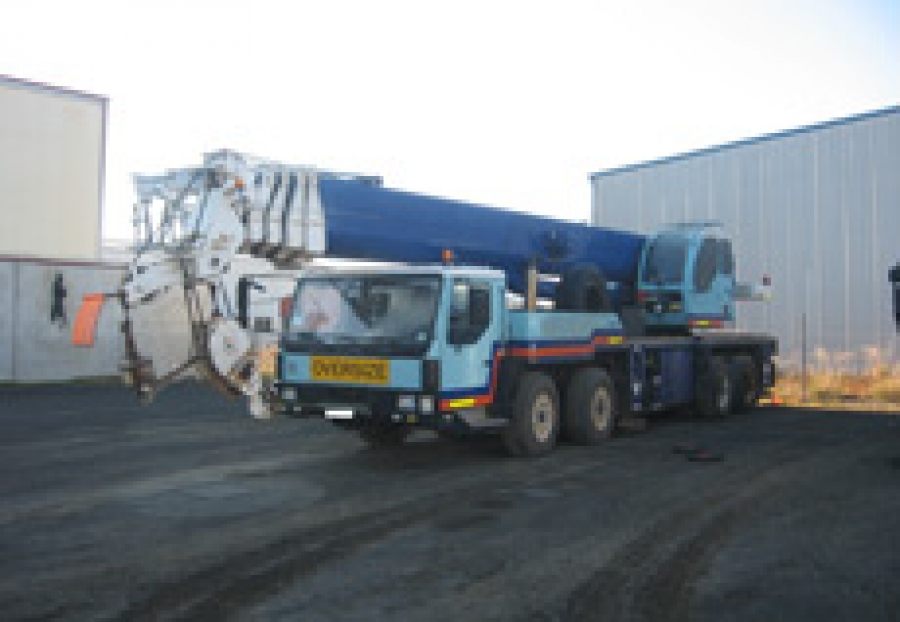
It is important to understand that major crane inspections are required to determine the total action required (if any) to bring the machine into a safe condition so that it can continue to be used into the future. When the crane is delivered to a ‘competent person’ for inspection, it is important that it is as clean as possible, otherwise you might be charged an additional cleaning fee. There are a number of components that must be inspected, including:
▪ Booms
Generally, the booms only need to be inspected every 25 years. It covers hydraulic booms and lattice booms (including fixed and luffing jibs). A great deal of attention needs to be paid to all of the wearing components on the boom, as a failure could be disastrous.
▪ Chassis
This actually involves both a mechanical and a structural check. NDT crack testing will highlight any major structural defects, but it is essential that areas are also visually inspected. Pin, bush, bearings and bolted assemblies need to be checked against manufacturer recommendations.
▪ Hydraulic System
As this system is quite complex and extensive in its functions, it’s a vital part of any crane inspection. It covers the hydraulic pump, hydraulic cylinders, hydraulic hoses and hydraulic swivel. The pressure needs to be checked, as does the presence of any leaks.
▪ Operator Aids
All operator aids must be functioning as they were designed to and they must comply with Australian Standards. Where possible, they should comply with Standards that are current at the time of inspection. If this is not possible, a risk assessment needs to be undertaken.
▪ Outriggers
If slider pads have been fitted to the crane, an inspection will ensure that they are within tolerance. If pads aren’t fitted, it will ensure that there aren’t any signs of excessive wear. All pins, holes and bushes must be within manufacturer recommendations.
▪ Revolving Frame
Any cracks in the frame can generally be detected using the NDT crack test. All of the pins, bushes, bearings and bolted assemblies need to be checked against the manufacturer’s recommendations and repaired where necessary.
▪ Slew System
This system is vital for the safety of the machine, so is essential for crane inspections. It covers the slew bearing, slew bolts, slew motor and slew brake. The main thing to look for is the occurrence of wear, but if you’re in doubt you should dismantle the component or replace it.
▪ Winches
All winches (including main, auxiliary, boom raising, luffing and so on) must be inspected, as they experience considerable wear and a failure could result in a dropped load. Whilst different manufacturers have different ideas on the life of winches, 10 years is the norm.
We hope that the information provided in this article has given you a fairly good idea of what is involved in a major crane inspection. It is important to understand why such inspections are so important for the integrity of your machine and the safety of your workers (plus the general public). It is essential that the manufacturer’s specifications are adhered to; if the manufacturer no longer exists, then general specifications will be followed.