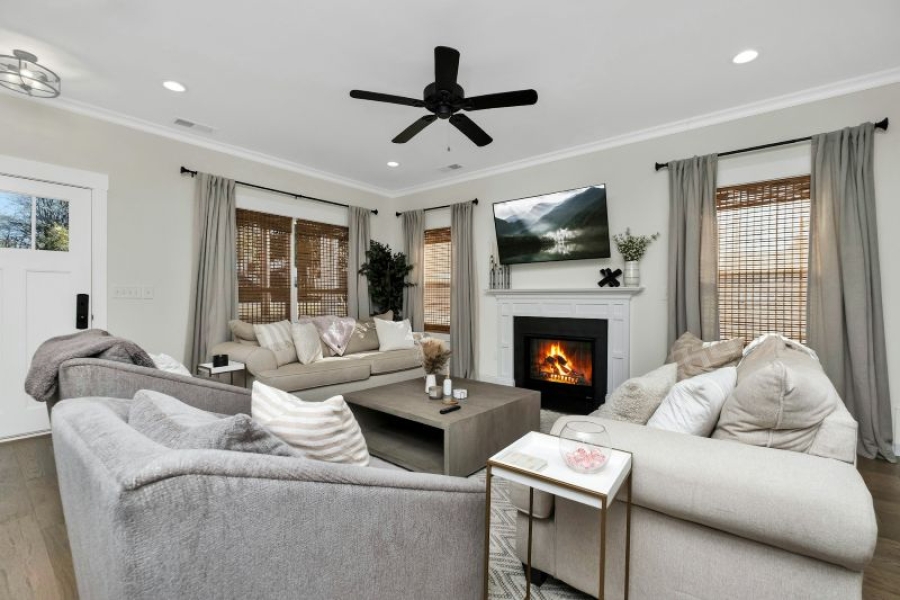
Rising energy costs have made efficiency a top priority for homeowners. The good news is you don’t need a full home renovation to make a noticeable difference in your monthly utility bills. Small, strategic upgrades can reduce energy waste, improve comfort, and pay for themselves over time. By focusing on high-impact improvements, you can create a more efficient home without breaking the bank. Here are five simple upgrades that deliver real savings.
Upgrade to a Smart Thermostat
Heating and cooling typically account for the largest share of a home’s energy use, which makes your thermostat one of the most powerful tools for saving money. Many households waste energy by cooling or heating an empty home during the day. A smart thermostat solves this problem by automatically adjusting temperatures based on your schedule and habits.
For example, your thermostat can reduce cooling while you’re at work and restore comfortable temperatures before you return. Over time, these automatic adjustments add up to meaningful savings. The U.S. Department of Energy reports that homeowners can save up to 10% annually on heating and cooling by adjusting temperatures during periods when the home is unoccupied or residents are asleep. Smart thermostats also provide energy reports that help you better understand and manage your usage.
Install LED Lighting Throughout Your Home
Lighting may seem like a small portion of your electricity use, but replacing outdated bulbs can lead to significant savings over time. Traditional incandescent bulbs waste most of their energy as heat, while LED bulbs use a fraction of the electricity and last years longer.
Switching to LEDs reduces both energy costs and maintenance expenses since you won’t need to replace bulbs as often. Many homeowners start by replacing the most frequently used lights—such as those in kitchens, living rooms, and hallways—then gradually upgrade the rest of the home. The difference in your electricity bill may be subtle at first, but the long-term savings are substantial.
Seal Air Leaks and Improve Insulation
Many homes lose energy through tiny gaps and cracks around windows, doors, and vents. These leaks allow cool air to escape in summer and warm air to escape in winter, forcing HVAC systems to work harder than necessary.
Sealing air leaks is one of the most affordable upgrades you can make. Weatherstripping, caulking, and door sweeps are inexpensive materials that deliver immediate benefits. Adding or upgrading attic insulation can also dramatically improve energy efficiency by helping your home maintain consistent indoor temperatures. When your home holds conditioned air more effectively, your heating and cooling systems run less often, which lowers energy bills.
Ceiling Fans
Large ceiling fans are one of the simplest and most cost-effective upgrades for reducing cooling expenses. While fans don’t lower the actual temperature of a room, they create a wind-chill effect that makes people feel cooler. This allows you to raise your thermostat several degrees without sacrificing comfort, reducing the workload on your air conditioning system.
For maximum effectiveness, ceiling fans should rotate counterclockwise during summer to push cool air downward. Using fans in commonly occupied rooms such as living rooms, bedrooms, and home offices can make a noticeable difference in comfort and energy consumption. Because fans use far less electricity than air conditioning, they offer a quick and affordable way to cut cooling costs during hot months.
It’s important to remember that fans cool people, not rooms. Turning them off when you leave a space ensures you get the most savings from this simple upgrade.
Upgrade to Energy-Efficient Appliances
Appliances like refrigerators, washing machines, dishwashers, and dryers run regularly and consume a large amount of energy over time. Older models are often far less efficient than newer ones, meaning they use more electricity and water to perform the same tasks.
When it’s time to replace an appliance, choosing an energy-efficient model can significantly reduce long-term utility costs. Modern appliances often include eco-friendly modes, improved insulation, and advanced sensors that optimize performance while minimizing energy use. Even upgrading one appliance at a time can lead to noticeable savings over the years.
Small Changes, Big Results
Lowering your energy bills doesn’t require a major renovation or large upfront investment. By focusing on practical upgrades like smart thermostats, LED lighting, air sealing, ceiling fans, and efficient appliances, homeowners can create a more comfortable and cost-effective living environment.
The key is to think of these improvements as a system. Each upgrade reduces energy waste in a different way, and together they create a powerful impact on your monthly expenses. Over time, the savings add up, making your home more efficient, more comfortable, and more affordable to maintain.