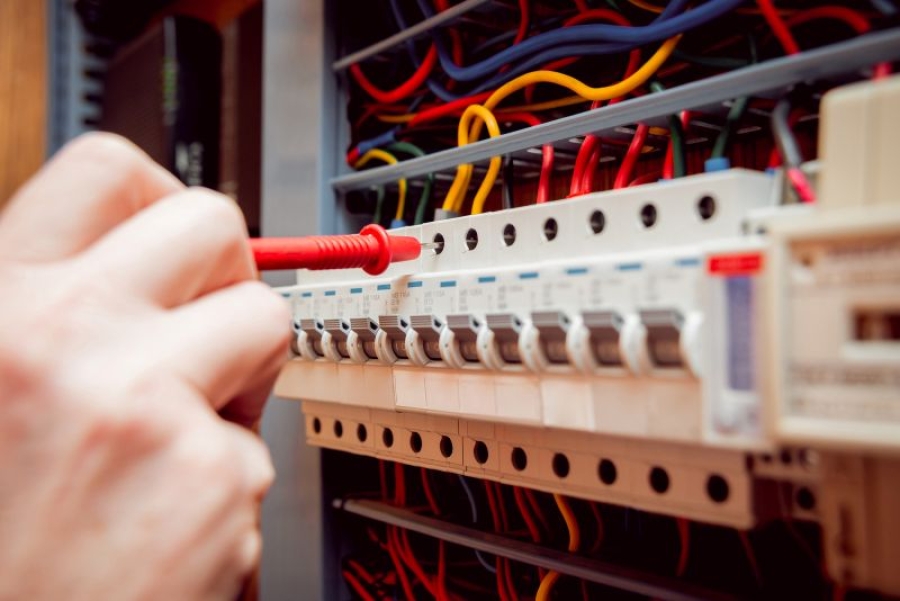
When buyers and sellers focus on home improvements that move the needle on value, they often think about kitchens, bathrooms, and curb appeal. The electrical panel rarely enters the conversation until it becomes a problem. But in the Kansas City real estate market, the condition of the electrical panel is increasingly visible at the inspection table, in appraisal reports, and in conversations with insurance carriers. Understanding how panel upgrades affect the transaction process helps both buyers and sellers make more informed decisions.
The electrical panel is not a glamorous upgrade. It sits in the basement or utility room and does its job invisibly. But its condition directly affects the home's ability to be insured, financed, and sold at full value. In a competitive market, overlooking it can become an expensive oversight.
What an Electrical Panel Upgrade Actually Involves
An electrical panel upgrade, sometimes called a service upgrade or panel replacement, involves swapping out the existing panel for a new one with greater capacity and updated components. In most cases, this also means increasing the service amperage coming into the home from the utility.
Older homes in Kansas City were often built with 60-amp or 100-amp service. Modern households, especially those with central air conditioning, electric ranges, multiple computers, and EV chargers, routinely require 150-amp or 200-amp service to operate safely and without nuisance tripping. The upgrade process involves a licensed electrician coordinating with the utility company, pulling the appropriate permits, and ensuring the work meets current code requirements at both the state and local level.
The cost of a panel upgrade varies based on the scope of work, the home's age, and whether other wiring issues need to be addressed alongside the panel. Nationally, the cost typically falls between $1,500 and $4,000, with some projects running higher when service entrance conductors or meter bases also need replacement.
Impact on Insurance Premiums and Eligibility
Insurance is one of the most immediate and concrete ways an electrical panel affects a homeowner's finances. Many insurance carriers in the Kansas City area view certain types of older panels as elevated fire risks, and their underwriting policies reflect that.
The two panel brands most commonly flagged by insurers are Federal Pacific Electric, which manufactured the Stab-Lok series, and Zinsco. Both have well-documented histories of breakers that may fail to trip during an overload, which removes the primary safety mechanism the panel is designed to provide. Homes with these panels may face higher premiums, exclusions on electrical-related claims, or outright refusal to insure until the panel is replaced.
Homes with fuse boxes rather than circuit breaker panels face similar challenges. While fuse-based systems were once the standard, insurers increasingly treat them as an indicator of an outdated electrical system that has not been modernized. Upgrading eliminates these underwriting complications and often results in measurable premium reductions.
For homeowners preparing to sell, insurance eligibility is not just their problem. Buyers using conventional financing or FHA loans must be able to obtain homeowner's insurance as a condition of their mortgage approval. A panel that triggers an insurance denial can stall or kill a transaction entirely.
How Panel Condition Affects Appraisals and Financing
In Kansas City's real estate market, appraisers are trained to identify safety and habitability concerns that affect a property's value. A flagged panel brand, visible signs of electrical distress, or documented panel deficiencies from a prior inspection report can influence how an appraiser treats the property.
FHA and VA loan programs are particularly attentive to electrical condition. Both programs have minimum property requirements that include the electrical system, and an appraiser working on an FHA or VA transaction is required to flag safety-related electrical issues for lender review. If a deficiency is called out in the appraisal, the lender may require the issue to be corrected before the loan can close. This creates a repair obligation that can affect the negotiated price or delay the timeline.
Sellers who invest in an electrical panel upgrade Kansas City before listing remove this potential friction point from the transaction. A modern, properly permitted panel signals to buyers and their agents that the home has been well maintained and that they are unlikely to encounter this issue during the financing process.
The Buyer's Perspective: What to Look For
Buyers purchasing a home in Kansas City should treat the electrical panel as a key item to evaluate during due diligence. The general home inspection will typically include a visual review of the panel, but a licensed electrician provides a much more detailed assessment.
Key questions a buyer should ask about the panel include:
• What is the current amperage service, and is it adequate for modern use?
• Is the panel a flagged brand such as Federal Pacific or Zinsco?
• Are there any double-tapped breakers or other signs of DIY modifications?
• Has the panel been inspected or serviced in recent years?
• Are there permits on file for any electrical work done to the home?
The answers to these questions can significantly affect the negotiation. Buyers who identify a panel that needs replacement have legitimate grounds to request a price reduction or seller credit. Buyers who skip this step may close on a home and immediately face a significant unexpected expense.
In a market where buyers are competing for limited inventory, it can be tempting to waive or limit inspection contingencies. This is a situation where that choice carries meaningful financial risk, particularly in older neighborhoods where panel issues are more common.
Seller Strategy: Upgrade Before Listing or Price Accordingly
Sellers face a strategic choice when they know their panel is outdated or problematic. The two main options are addressing the issue before listing or pricing the home to reflect the known condition. Both approaches can work, but they have different implications for the sale process.
Upgrading before listing has several advantages. A modern panel is a positive in marketing materials and can be highlighted as a recent improvement. It removes a likely inspection finding that would otherwise generate buyer requests during negotiations. It also resolves the insurance and financing complications that a flagged panel creates. Sellers who upgrade often recover a substantial portion of the cost through stronger offers and fewer concessions.
Pricing to reflect the known condition requires accurate communication during disclosure. Missouri requires sellers to disclose known material defects, and a failing or flagged electrical panel clearly qualifies. Underpricing to reflect the issue while fully disclosing it can still attract buyers, particularly investors or buyers willing to take on a project. The risk is that buyers who do not fully account for the upgrade cost in their offer may try to renegotiate once the inspection confirms the issue.
Code Compliance in the Kansas City Market
Kansas City and the surrounding municipalities follow the National Electrical Code, with local amendments that vary by jurisdiction. The code is updated periodically, and older homes may have wiring and panel configurations that were code-compliant when installed but would not pass inspection today.
This matters in two specific scenarios. First, any permitted electrical work must meet current code at the time of the permit, which can trigger upgrades to adjacent systems that were not part of the original scope. Second, when a home is sold and the buyer intends to pull permits for renovations, they may find that code compliance requirements tie into the existing electrical condition.
Sellers and buyers both benefit from understanding the local code landscape. Working with a licensed electrician who operates in the Kansas City area and understands both the NEC and the applicable local amendments ensures that any upgrades are done correctly, documented properly, and supported by the required permits. This documentation becomes part of the home's permanent record and protects the next owner as much as the current one.