




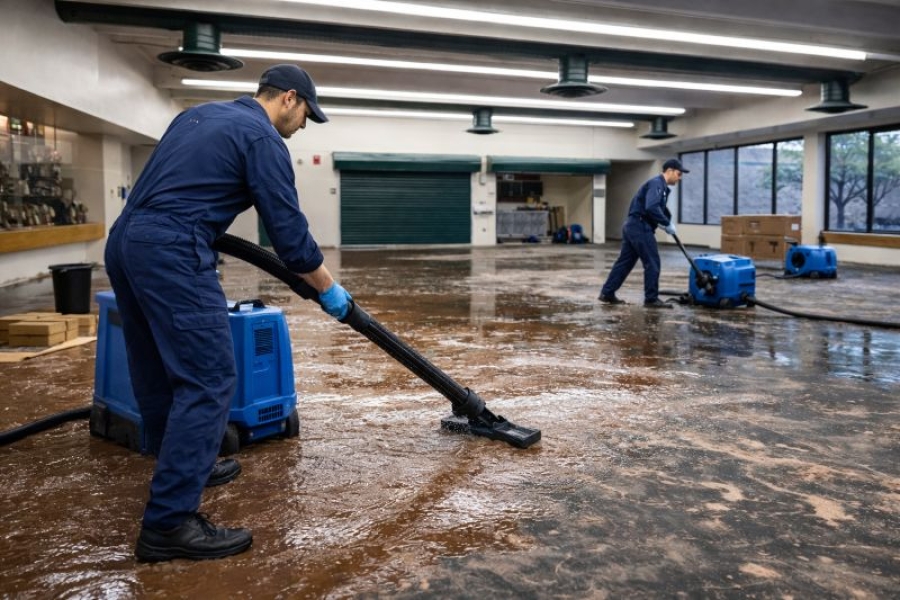
Water damage is one of the most stressful problems a homeowner can face. It often starts small. A slow drip under the sink or a minor roof leak may not seem urgent. Then suddenly, floors begin to warp, walls stain, and the air smells damp. What could have been a simple fix turns into a larger restoration project.
This is where early action matters. Many homeowners turn to experienced providers like HRS Restoration Services to assess the situation quickly and prevent further damage. Understanding how water damage works helps you stay in control when it happens.
Why Water Damage Spreads Faster Than You Expect
Water does not stay in one place. It travels through porous materials and follows gravity into hidden spaces.
Here is what happens behind the scenes:
• Drywall absorbs water and softens within hours
• Insulation traps moisture, making drying difficult
• Wooden framing can swell and weaken
• Water seeps into subfloors and under flooring materials
What looks like a small surface issue often extends deeper into the structure. This is why visible cleanup alone is rarely enough.
The U.S. Environmental Protection Agency explains that mold can begin growing within 24 to 48 hours in moist conditions. That short window is why immediate drying is critical.
The Most Common Sources of Water Damage
Water damage rarely happens without a cause. Knowing where it starts helps you respond faster.
1. Hidden Plumbing Leaks
Leaks inside walls or under flooring often go unnoticed until damage becomes visible. By then, moisture may have been present for days or weeks.
2. Roof Intrusion
Damaged shingles, flashing issues, or clogged gutters allow water to enter from above. Ceiling stains are often the first sign.
3. Appliance Breakdowns
Washing machines, dishwashers, and water heaters handle large volumes of water daily. A single failure can release gallons of water quickly.
4. Sudden Water Intrusion
Heavy rain or drainage failure can lead to water entering basements or lower levels of the home.
Warning Signs You Should Never Ignore
Water damage does not always announce itself clearly. Many homeowners overlook early symptoms.
Here are signs that deserve attention:
• A persistent musty or earthy smell
• Slight discoloration on ceilings or walls
• Floors that feel soft or uneven underfoot
• Paint or wallpaper beginning to peel
• Cabinets or doors that stick or shift
These changes often point to moisture trapped beneath the surface.
What To Do Immediately After Discovering Water Damage
Quick decisions can reduce both damage and repair costs. Here is a simple response plan.
Step 1: Stop the Water Source
Turn off the main water supply or isolate the problem area if possible.
Step 2: Protect Electrical Safety
Avoid standing water near outlets or appliances. Shut off power if needed.
Step 3: Remove What You Can
Lift rugs, move furniture, and remove items that can absorb moisture.
Step 4: Begin Initial Drying
Use fans, towels, or a wet vacuum if conditions are safe.
Step 5: Call a Restoration Specialist
Professional teams have the tools to detect hidden moisture and begin full drying.
Why Professional Restoration Is Essential
It is easy to underestimate how much water remains after visible cleanup. Moisture often lingers in areas you cannot see or reach.
Professional restoration includes:
• Thermal imaging and moisture mapping
• High-powered extraction equipment
• Controlled drying environments
• Dehumidification to prevent condensation
• Mold prevention treatments
The IICRC S500 standard, widely recognized in the restoration industry, emphasizes complete drying as the key to preventing long-term structural damage and microbial growth.
Without proper drying, problems can return weeks later.
A Closer Look at the Restoration Process
Understanding each phase helps set realistic expectations.
Inspection and Damage Assessment
Technicians evaluate the affected areas and determine how far moisture has spread.
Water Removal
Standing water is removed quickly using pumps and vacuums designed for high volumes.
Drying and Air Movement
Industrial air movers push moisture out of materials while dehumidifiers remove it from the air.
Cleaning and Sanitizing
Surfaces are treated to eliminate contaminants and odors.
Structural Repairs
Damaged drywall, flooring, or insulation is repaired or replaced to restore the home.
Each step builds on the previous one. Skipping any phase can lead to incomplete restoration.
How to Prevent Water Damage in the Future
While not every situation is avoidable, many risks can be reduced with regular maintenance.
1. Inspect Plumbing Frequently
Check under sinks and behind appliances for signs of leaks.
2. Maintain Roofing Systems
Clean gutters and inspect for damaged shingles after storms.
3. Monitor Water Pressure
Excess pressure can weaken pipes over time.
4. Upgrade Older Equipment
Replacing aging water heaters or hoses reduces failure risk.
5. Install Leak Detection Systems
Smart devices can alert you before water spreads.
The Impact on Property Value and Peace of Mind
Water damage affects more than the physical structure. It can influence how buyers and inspectors view a property.
• Visible damage can lower perceived value
• Mold concerns may delay or stop transactions
• Poor repairs can raise red flags during inspections
• Professional restoration records can reassure buyers
Handling water damage correctly protects both your home and your long-term investment.
Next Steps: Staying Prepared and Confident
Water damage can feel overwhelming at the moment. The key is having a clear plan and acting quickly.
Here is a simple approach:
1. Respond immediately to any signs of water
2. Prioritize safety above all else
3. Seek professional help for thorough restoration
4. Take preventive steps moving forward
Working with a trusted provider makes the process smoother. From initial inspection to final repairs, experienced teams like HRS Restoration Services help ensure your home is properly restored and protected for the future.