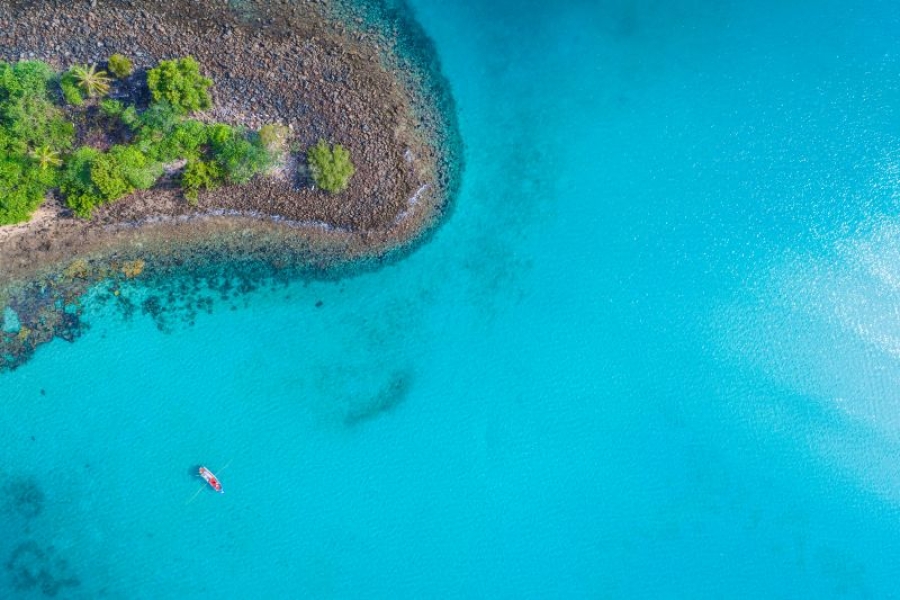
Island development in world-class natural environments has become a growing focus in global tourism, real estate, and environmental planning. Islands with pristine beaches, rich biodiversity, and stunning coastal landscapes attract investors, developers, and travelers seeking unique experiences. However, developing these environments requires careful planning to balance economic benefits with ecological preservation.
In recent years, sustainable development strategies have become central to projects located in fragile island ecosystems. Companies and developers are increasingly adopting environmentally responsible approaches that protect natural habitats while supporting tourism and economic growth. Projects such as those promoted by Kepri Estates highlight how modern island development can combine luxury, sustainability, and environmental stewardship.
The Appeal of Developing Islands
Unique Natural Beauty
Islands located in world-class natural environments often feature extraordinary landscapes. Crystal-clear waters, coral reefs, tropical forests, and white-sand beaches create settings that are difficult to replicate anywhere else in the world. These natural assets attract global tourism and provide exceptional opportunities for resort development, luxury housing, and eco-tourism ventures.
For developers, the unique beauty of islands offers a strong competitive advantage. Travelers increasingly seek destinations that provide both relaxation and immersive nature experiences. As a result, well-planned island developments can attract international attention and long-term investment.
Exclusive Tourism Experiences
Island destinations offer exclusive experiences that appeal to high-end travelers. Private beaches, luxury resorts, wellness retreats, and eco-lodges create environments that combine comfort with nature. Visitors are often drawn to the idea of escaping crowded urban areas and enjoying the tranquility of remote islands.
Developments associated with companies like Kepri Estates demonstrate how island properties can provide premium living experiences while maintaining harmony with the surrounding environment. Carefully designed villas, resorts, and recreational facilities allow visitors and residents to enjoy nature without compromising ecological integrity.
Economic Opportunities
Island development can also bring significant economic benefits to local communities and governments. Tourism-related projects generate employment opportunities in hospitality, construction, transportation, and local services. Additionally, infrastructure improvements such as airports, roads, and utilities often accompany development initiatives.
When managed responsibly, these projects can support sustainable economic growth while improving the quality of life for residents. Investment in island development also attracts international partnerships and promotes regional economic stability.
Environmental Sensitivity of Island Ecosystems
Despite their beauty and potential for development, islands are among the most environmentally sensitive ecosystems on the planet. Their limited land area, fragile marine habitats, and unique biodiversity require careful protection.
Fragile Marine Ecosystems
Many islands are surrounded by coral reefs, mangrove forests, and seagrass beds that support diverse marine life. These ecosystems provide essential services such as coastal protection, fish habitats, and water purification. However, construction, pollution, and excessive tourism can damage these delicate systems if not managed carefully.
Responsible developers must ensure that construction activities do not harm marine habitats. Environmental protection measures are crucial to maintaining healthy ecosystems that support both wildlife and tourism.
Limited Natural Resources
Islands often face limitations in freshwater availability, waste management, and energy production. Unlike mainland locations, islands cannot easily access large resource networks. As a result, developers must implement efficient systems to manage water, waste, and electricity.
Modern island projects frequently incorporate desalination plants, rainwater harvesting systems, and renewable energy technologies. These solutions reduce environmental impact while ensuring reliable resources for residents and visitors.
Climate Change Vulnerability
Climate change poses a serious threat to many island environments. Rising sea levels, coastal erosion, and stronger storms can significantly affect island infrastructure and ecosystems. Developers must therefore design projects that are resilient to environmental changes.
Climate-adaptive architecture, elevated structures, and protective coastal planning can help mitigate risks associated with extreme weather events.
Principles of Sustainable Island Development
Sustainable development principles play a crucial role in ensuring that island projects protect natural resources while supporting economic growth.
Environmental Impact Assessments
Before any construction begins, developers should conduct comprehensive environmental impact assessments. These studies evaluate potential risks to ecosystems and identify strategies for minimizing damage. Continuous monitoring ensures that development activities remain aligned with environmental protection goals.
Low-Impact Infrastructure
Sustainable infrastructure reduces ecological disturbance while supporting modern lifestyles. Renewable energy sources such as solar and wind power can significantly reduce carbon emissions. Additionally, environmentally friendly building materials and energy-efficient designs help lower the environmental footprint of island developments.
Developers working on projects associated with Kepri Estates often emphasize low-impact infrastructure that integrates naturally with the island landscape.
Conservation and Biodiversity Protection
Protecting biodiversity is a fundamental aspect of responsible island development. Establishing marine protected areas, preserving mangrove forests, and protecting wildlife habitats contribute to long-term ecological sustainability.
Many successful island developments include conservation programs that restore damaged habitats and educate visitors about environmental protection.
Innovative Development Models
New development models are emerging that prioritize sustainability and technological innovation.
Eco-resorts, for example, combine luxury accommodation with environmentally responsible operations. These resorts focus on minimizing energy consumption, reducing waste, and promoting eco-friendly tourism activities.
Smart island concepts are also gaining popularity. These developments use digital technologies to manage energy, water, transportation, and waste systems efficiently. By integrating advanced technology with sustainable practices, developers can create highly efficient and environmentally responsible communities.
Community-based development is another important approach. Involving local residents in planning and operations ensures that development benefits the surrounding community. It also helps preserve cultural traditions and local heritage.
Balancing Development and Conservation
Successful island development requires a careful balance between economic growth and environmental preservation. Governments, developers, environmental organizations, and local communities must work together to establish policies and guidelines that protect natural resources.
Clear zoning regulations, environmental monitoring, and sustainable tourism practices can help maintain this balance. Responsible developers recognize that protecting natural environments is essential for long-term economic success.
Conclusion
Island development in world-class natural environments presents both exciting opportunities and significant challenges. While these locations offer extraordinary beauty and economic potential, their fragile ecosystems demand responsible planning and sustainable practices.
Developers and organizations, including initiatives associated with Kepri Estates, demonstrate that it is possible to create high-quality island developments while preserving natural landscapes and biodiversity. By embracing sustainability, innovation, and community collaboration, island development can support both environmental protection and long-term economic prosperity.