




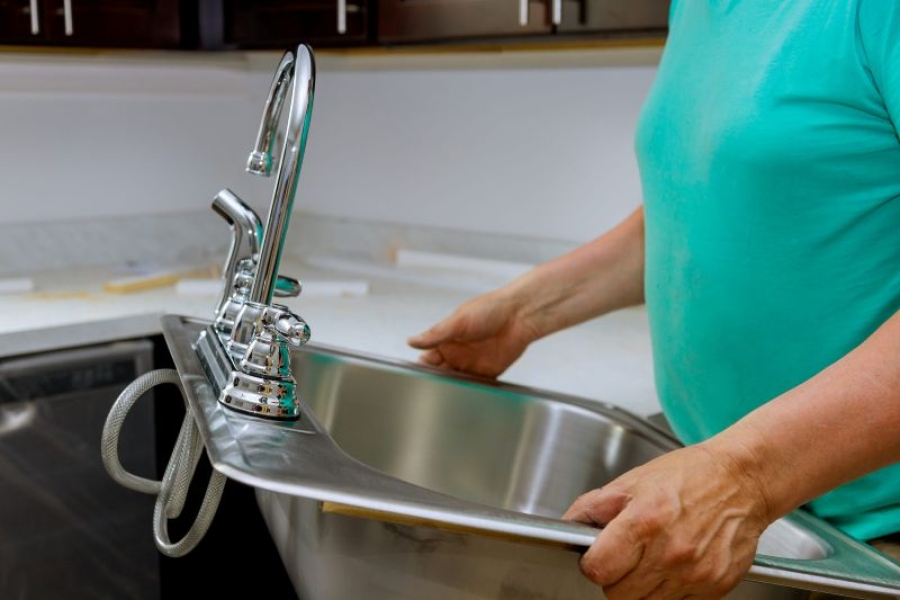
Replacing a kitchen sink is one of the most practical upgrades you can make in your home. Whether you're dealing with leaks, outdated materials, or simply want a fresh look, installing a new sink can instantly improve both functionality and appearance.
While this is a manageable DIY project for many homeowners, it does require attention to detail, basic plumbing knowledge, and the right tools. This guide walks you through the full process, from preparation to installation, while also helping you understand when it makes sense to call in a professional.
Tools and Materials You’ll Need
Before you begin, gather all necessary tools and materials to avoid interruptions during the process:
• Adjustable wrench
• Basin wrench
• Plumber’s putty or silicone sealant
• Bucket and towels
• New kitchen sink
• Faucet and accessories (if replacing)
• Supply lines and fittings
• Safety gloves and goggles
Having everything ready upfront will make the installation smoother and more efficient.
Step 1: Turn Off Water and Disconnect Plumbing
Start by shutting off the water supply. Look for the hot and cold valves under the sink and turn them off completely. Then turn on the faucet to release any remaining pressure in the lines.
Next, disconnect the water supply lines using an adjustable wrench. You’ll also need to disconnect the drain assembly and P-trap. Place a bucket underneath to catch any remaining water and prevent spills.
Step 2: Remove the Existing Sink
Disconnect Mounting Clips and Seal
Most sinks are secured with clips underneath the countertop. Use a basin wrench or screwdriver to loosen and remove these clips. Then, carefully cut through the old caulk or sealant around the edges of the sink using a utility knife.
Lift Out the Sink
Once everything is detached, gently lift the sink out of the countertop. This may require a bit of effort if the seal is strong. After removal, clean the surrounding surface thoroughly, removing any leftover sealant or debris to ensure a proper fit for the new sink.
Step 3: Prepare the New Sink for Installation
Check Fit and Measurements
Before installing the new sink, confirm that it matches the existing cutout. If the size is slightly different, adjustments may be needed. Drop-in sinks are generally easier to fit, while undermount sinks may require more precision.
Install Faucet and Accessories First
It’s much easier to install the faucet, sprayer, or soap dispenser before placing the sink into the countertop. This gives you better access and reduces the need to work in tight spaces later.
Step 4: Install the New Kitchen Sink
Apply Sealant
Apply a continuous bead of silicone sealant or plumber’s putty around the edge of the sink opening. This creates a watertight seal and prevents leaks.
Set and Secure the Sink
Carefully lower the sink into place, ensuring it sits evenly. Once positioned correctly, secure it with mounting clips underneath. Tighten the clips evenly to avoid shifting or uneven pressure.
Step 5: Reconnect Plumbing
Reconnect Drain Assembly
Attach the drain components, including the strainer and P-trap. Make sure all connections are snug but not overtightened, as this can damage fittings.
Reconnect Water Supply Lines
Reconnect the hot and cold water lines to the faucet. Once everything is in place, slowly turn the water supply back on and check for any immediate leaks.
Step 6: Test for Leaks and Functionality
Run both hot and cold water through the faucet and carefully inspect all connections underneath the sink. Look for drips or moisture around joints and seals. If needed, tighten connections slightly until everything is secure.
Testing thoroughly at this stage helps prevent future issues once the installation is complete.
Common Mistakes to Avoid
Even a straightforward sink installation can go wrong if certain steps are overlooked. Watch out for these common mistakes:
• Skipping proper sealing, which can lead to leaks
• Overtightening fittings, causing cracks or damage
• Choosing the wrong sink size or type
• Forgetting to test all connections before finishing
Taking your time and double-checking each step can save you from costly repairs later.
When to DIY vs When to Hire a Professional
When DIY Makes Sense
Replacing a kitchen sink is a good DIY project if:
• The new sink matches the existing cutout
• Plumbing connections are straightforward
• You’re comfortable using basic tools
When to Call a Professional
There are situations where professional help is the smarter choice:
• The countertop needs to be cut or modified
• Plumbing requires reconfiguration
• You’re upgrading multiple kitchen elements at once
If your sink replacement is part of a larger upgrade or requires structural changes, working with professionals through services like Kitchen Remodeling Newtown can help ensure everything is completed correctly and aligned with your overall kitchen design.
How a New Sink Fits Into a Bigger Kitchen Upgrade
A sink replacement often becomes the starting point for broader kitchen improvements. Once you begin upgrading one element, it’s natural to consider others, such as countertops, cabinets, or layout changes.
For example, installing a deeper or wider sink may require adjustments to cabinetry or plumbing. Similarly, upgrading to modern finishes can inspire changes throughout the space. Thinking about the bigger picture helps ensure your updates remain cohesive and functional.
Final Thoughts
Learning how to replace and install a kitchen sink gives you the opportunity to improve your kitchen without taking on a full renovation. With the right tools, preparation, and attention to detail, many homeowners can successfully complete this project on their own.
At the same time, it’s important to recognize when a project goes beyond a simple replacement. If your goals involve larger upgrades or structural changes, bringing in professionals can save time and ensure lasting results.
By understanding both the process and the bigger picture, you can make the best decision for your home and create a kitchen that works better for your everyday life.