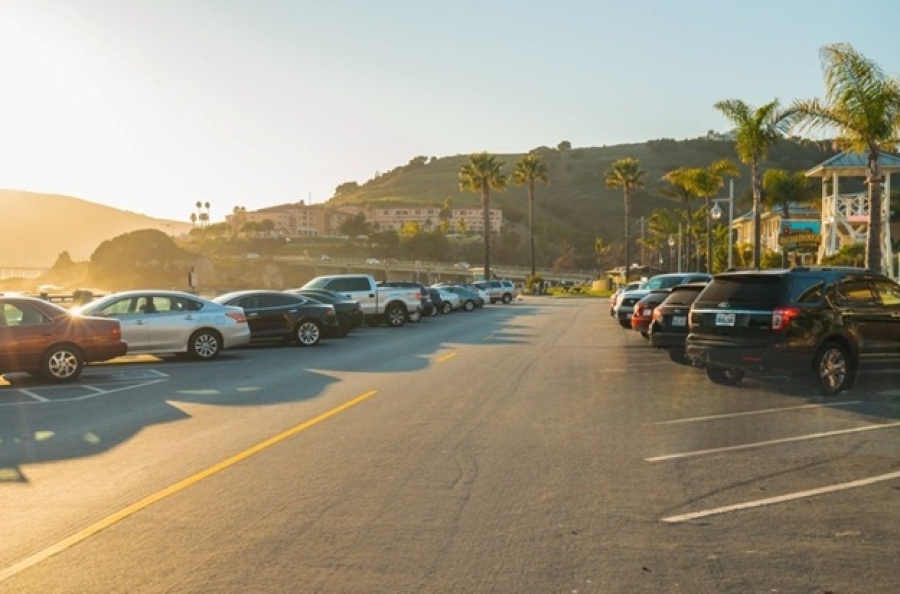
Parking always seems to be the thing that creates tension in the community. Drive through any California HOA community, and it’s obvious: cars everywhere, streets packed, guest spots full of residents' extra vehicles. What starts as “someone’s just parked wrong” quickly becomes a neighborhood argument or a board complaint.
Many HOA parking conflicts happen because the guidelines lack clarity, or because some people follow them while others ignore them. In many communities, understanding basic Davis–Stirling Common Interest Development Act parking rules in California becomes essential before enforcement even begins.
You cannot just tow or fine someone just because it feels right. Knowing what is actually allowed matters a lot.
Below are some of the most common HOA parking problems in California communities, and how boards usually handle them in the real world.
1. Residents Using Guest Parking Spaces
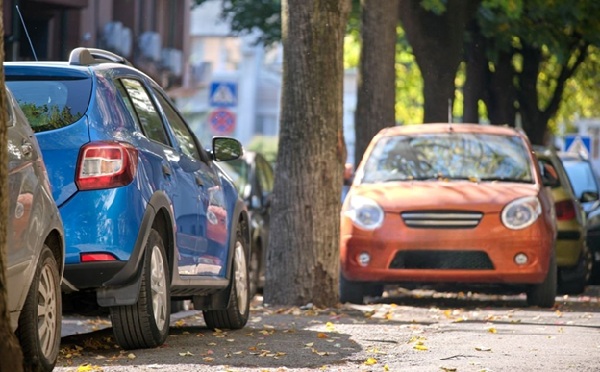 Image: iStock/ilbusca
Guest parking is designed to serve visitors, but in many HOA communities, it slowly becomes overflow parking for residents. People park in visitor spots because “it’s just for a few hours” and then leave the car for days.
This issue is very common in condominium developments, where units have only one or two parking spaces while households own multiple vehicles.
Solution: Time limits for guest spaces are often 24 to 72 hours to prevent long-term use by residents. Some communities use guest passes or temporary permits so the board can tell the difference between a real visitor and a resident who’s taking liberties.
Signage matters too. If spaces are not clearly marked, nobody follows the rules anyway. Enforcement consistency is important. One neighbor is fined, and another ignores the leads, leading to mismanagement.
2. Limited Parking Availability in the Community
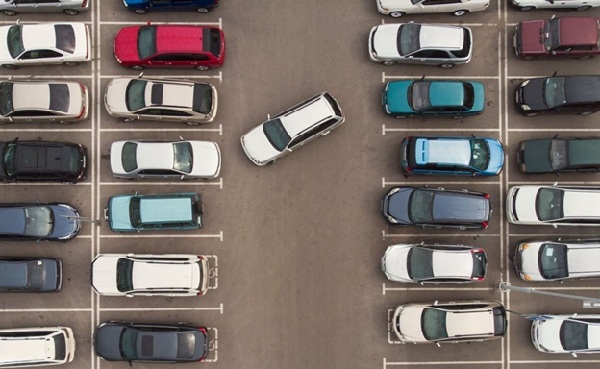 Image: iStock/Diy13
Many developments were not designed for today’s car counts. Three or four vehicles per household is not unusual. When parking spaces are insufficient, streets, guest spaces, and common areas get crowded. Sometimes, cars spill into fire lanes or block driveways, which is both frustrating and unsafe.
Parking shortages can even create safety concerns when vehicles block driveways or narrow internal streets.
Solution: Adjusting the allocation of parking spaces helps. If guest spots are rarely used, some get converted to resident parking. Implement a parking permit system to help control parking issues. In many cases, garages that are for parking are used for storage.
Encouraging garage use can free up the streets. There is no perfect fix, but transparent planning and honest communication usually calm things down.
3. Oversized Vehicles (RVs, Boats, Work Trucks)
Large vehicles trigger HOA parking issues. Recreational vehicles, boats, commercial trucks, and work vans can take multiple parking spaces, block views, or do not fit the neighborhood vibe. Some residents rely on these vehicles for work, while others feel they just make trouble for the community. Balancing these competing interests can be difficult for HOA boards.
Problems arise when associations attempt to impose broad bans on certain vehicle types without providing practical alternatives.
Solution: Boards often create specific oversized vehicle areas and allow temporary parking permits for loading, unloading, or short-term use.
A strict overnight ban on large vehicles in certain areas can also reduce conflicts. When policies consider both community appearance and homeowner needs, enforcement is easier to manage.
4. Parking in Fire Lanes or Restricted Areas
Parking in fire lanes is one of the most serious violations in any HOA community. These areas must remain clear so emergency services can access buildings quickly during a crisis. Some people treat fire lanes like temporary spots when nothing else is free.
In California communities, blocked emergency routes can increase legal risk for both residents and the HOA.
Solution: Use clear signage and visible pavement markings. Associations should ensure that fire lanes are clearly marked with visible paint and signage so drivers cannot claim they were unaware of restrictions.
California law allows immediate towing for blocked fire lanes, so boards usually enforce them strictly. Because safety is involved, communities typically enforce these violations more strictly than other parking rules.
5. Driveway and Garage Parking Conflicts
In the communities, some residents turned their garages into storage or workspaces. Streets and guest areas get used instead. Driveways can block sidewalks, creating conflicts for neighbors.
These issues become contentious because homeowners feel they should have full control over their own property.
Solution: Boards should help residents understand that garages are primarily for cars. Start with notices or reminders before issuing fines. Boards that explain the reasoning often face less pushback. A small step like this can help with these kinds of issues.
6. Overnight Parking Disputes
Some HOAs limit overnight parking on common streets. Guests or extra cars create friction when the rules are not clear. However, residents sometimes find these restrictions inconvenient when hosting guests or when household vehicles exceed assigned parking limits.
Disagreements occur when the rules are unclear or when enforcement is inconsistent.
Solution: Clear guidelines and temporary visitor permits can help. Communicate time limits through newsletters, emails, or notices. When people know the rules before enforcement, there’s less frustration.
Clearly defined time limits also help residents understand when parking becomes a violation.
Before boards can solve parking disputes, residents often need a clear understanding of how California HOA parking rules actually work, especially around guest parking, towing authority, and shared community spaces.
Practical Parking Tips for HOA Communities
Rules are not enough; these practical parking tips for HOA communities actually help:
1. Communicate Clearly – Residents should know where they can park, guest rules, and what leads to fines. Some still ignore it (and that’s when calls start).
2. Permits or Visitor Passes – Hand out passes to track cars. Keeps complaints down. People usually follow better when there is a visible system in the community.
3. Clear Signage – Mark fire lanes, guest spots, and private areas. When guidelines are transparent, residents are less likely to skirt them.
4. Regular Policy Reviews – Parking patterns change all the time. Review rules periodically. What worked five years ago may not work now.
5. Encourage Neighborly Communication – Do not wait to address parking issues. Early communication can stop issues.
6. Garage Education – Garages are for cars, not storage (yes, people still do this). Remind homeowners to actually park inside.
7. Use Tech – Apps or management software to help track passes and violations. Saves headaches for boards and residents alike.
Conclusion
Parking problems in California HOAs are nearly unpreventable, especially with high-density housing and multiple cars per household. But conflicts do not need to dominate. Clear rules, consistent enforcement, and open communication keep things smooth in the community. Small things make a difference. Parking permits, visible signs, or temporary guest passes often solve issues before they turn into arguments.
By understanding community guidelines and applying practical solutions, HOA boards and homeowners can create a parking system that works for everyone while maintaining order and harmony within the neighborhood.