




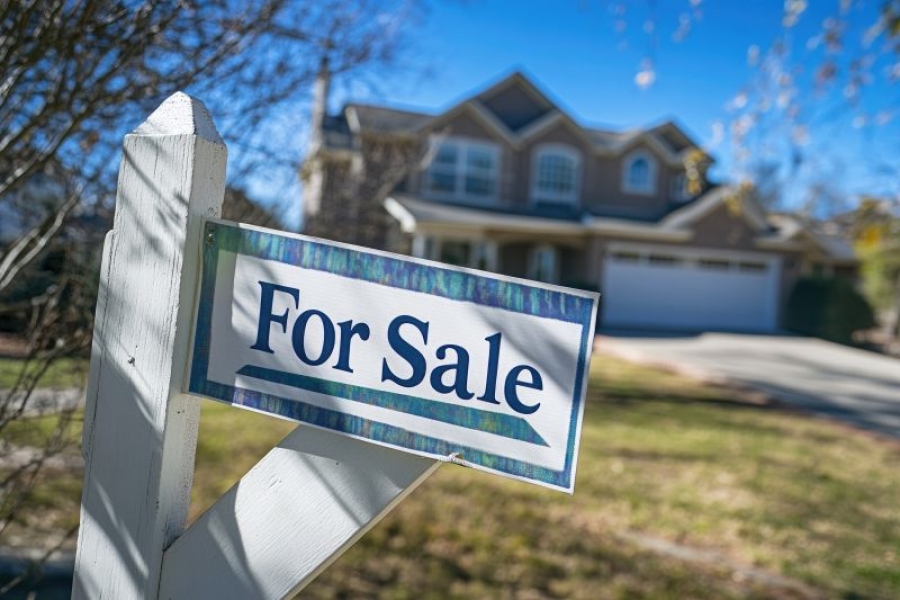
Foreclosure gets talked about in extremes. Either it’s framed like a personal disaster or sold as some secret back door to cheap real estate. Both versions miss the point. In real life, foreclosure is usually slower, messier, and a lot more ordinary than people expect. A borrower falls behind. Notices start coming. Time runs out. Then a house that once felt private becomes a legal file.
If you’re trying to understand how that turns into an opportunity for a buyer, it helps to look past the noise and follow the paper trail. Tools like ForeclosureHub are useful for that because they show what’s actually in the pipeline, not just the polished listings that make distressed property look simpler than it is. And simple, honestly, is not the word.
First, what foreclosure actually is
At the most basic level, foreclosure is the process a lender uses to take back a property after a borrower stops making mortgage payments and can’t catch up. The home secured the loan. When the loan goes bad, the lender moves to recover the asset.
That’s the legal version. The human version is different.
By the time a property reaches foreclosure, there’s often been months of scrambling behind the scenes. People borrow from relatives, cut spending, miss other bills to keep the mortgage current, ask for temporary relief, try to refinance, list the house, cancel the listing, try again. It’s rarely one missed payment and a sheriff on the porch. That’s not how it goes.
Foreclosure is a process, not a moment.
Why homes end up in foreclosure
You can learn a lot about a market by looking at why people fall into default. It’s easy to make this about bad decisions, but that’s lazy. Plenty of foreclosures start with something people never planned for.
The usual triggers
A few causes show up again and again:
- Job loss or a sharp drop in income
- Medical bills or long illness
- Divorce and household breakup
- Rising taxes, insurance, or HOA fees
- Adjustable-rate loans that become harder to carry
- Death in the family and estate delays
- A house that was simply too expensive from day one
Some cases are about overbuying, sure. Some are about life landing a clean punch to the ribs. Both end the same way if there’s no workable fix.
This is one reason foreclosure rates matter beyond individual homes. They can reveal pressure building in a local economy before people start saying it out loud.
The process, without the legal fog
Foreclosure rules differ by state, and that matters. Some states require the lender to go through court. Others allow a non-judicial process, which is faster and often rougher for the borrower. But from a buyer’s perspective, the broad stages tend to look familiar.
Missed payments and default
It starts with delinquency. Payments are missed, late fees stack up, notices arrive. The lender may call, send letters, or offer loss mitigation options. Sometimes the owner catches up. Sometimes they don’t.
This stage can drag on longer than outsiders think. A lot of homes that look “headed for foreclosure” never make it all the way there.
Pre-foreclosure
This is the stage buyers love to talk about, sometimes with more confidence than sense.
In pre-foreclosure, the borrower is in default, but the lender hasn’t completed the foreclosure sale. The owner still has time, at least in theory, to resolve the debt, sell the home, or negotiate another outcome.
For buyers, this can be the most interesting window. You may be able to approach the owner and buy before auction. That often means better access, more information, and a deal structure closer to a normal sale. But let’s not dress it up too much. These are delicate transactions. You’re not chatting with a motivated seller who just wants a shorter commute. You’re talking to somebody under pressure.
That changes the tone.
Auction or trustee sale
If the default isn’t cured, the property usually goes to auction. This is the part people imagine when they picture foreclosure bargains. Courthouse steps. Online bidding. Fast money. Cheap house.
Sometimes, yes. Often, no.
Auction properties can be risky because due diligence is limited. You may not get inside. You may be buying sight unseen except for drive-by impressions, old photos, and whatever public records you can pull together. Title can be a headache. Occupancy can be a headache. Repair costs can turn into a headache with plumbing.
Experienced investors know how to price those risks. Beginners tend to underestimate them.
REO, or bank-owned property
If the property doesn’t sell at auction, it usually becomes REO, short for real estate owned by the lender. Now the bank is the seller.
This is where foreclosure becomes more accessible to ordinary buyers. The home may be listed with an agent. Showings may be allowed. Inspections may be possible. Financing may be possible too, depending on condition.
That said, bank-owned doesn’t mean friendly. It means standardized. The paperwork is tight, the addenda are long, and the seller is not in the mood for emotional back-and-forth.
What buyers see in foreclosure properties
There’s a reason people keep coming back to this part of the market. A good foreclosure can offer what the broader market often doesn’t: room.
Room in the purchase price. Room in the rehab budget. Room for equity, rent, or resale.
Lower purchase price, sometimes by a lot
This is the headline advantage. A lender wants to recover money, not host open houses for three months while debating backsplash trends. That can create pricing opportunities, especially on properties that need work or scare off retail buyers.
The keyword is can.
Some foreclosure homes get bid up. Some are overpriced relative to condition. Some look cheap until you realize the roof, sewer line, and electrical panel are all auditioning for replacement. The opportunity is real, but it’s not automatic.
Less emotional selling
Traditional sellers bring memory into the pricing conversation. Banks don’t. They may be slow, but they’re usually less sentimental.
For buyers, that can be refreshing. You’re less likely to get a price based on what the seller “feels the house is worth.” You’re more likely to deal with numbers, timelines, and forms. Not fun, exactly. But cleaner.
Value-add potential
This is where smart buyers make their money. A foreclosure with cosmetic neglect can be a strong purchase if the structure is sound and the neighborhood supports the finished value. New flooring, paint, lighting, landscaping, basic systems updates, that stuff is manageable.
Structural movement, mold behind walls, fire damage, stripped copper, unpaid liens, very different conversation.
The risks that deserve more attention
The low price pulls people in. The hidden problems are what thin out the crowd.
Condition is often worse than the listing suggests
Vacant homes deteriorate. Quickly. A small leak turns into water damage. No climate control means moisture problems. Deferred maintenance compounds. Sometimes owners remove appliances or fixtures before leaving. Sometimes thieves help themselves after the property sits empty.
You cannot price a foreclosure off photos alone. Well, you can. It’s just not a smart thing to do.
Title issues are not a side note
A cheap house with title problems is not a bargain. It’s a project, and not the fun kind.
Before buying, you need to know about unpaid property taxes, HOA claims, judgments, code violations, and any other encumbrances tied to the property. Some obligations are wiped out through foreclosure. Some survive. That’s where people get hurt, especially when they assume the sale itself cleans everything up.
It doesn’t.
Occupancy can complicate everything
Some foreclosure homes are vacant and ready for work. Some are not. Former owners, tenants, relatives, unofficial occupants, there are a lot of versions of “somebody is still there.”
Possession delays can chew through a budget fast. If your plan depends on getting in immediately, be careful.
How buyers should approach foreclosure property
A little discipline goes a long way here. The buyers who do well are usually not the most aggressive. They’re the most methodical.
A short checklist worth keeping
Before making an offer or bidding, do this:
- Confirm the property’s foreclosure stage
- Pull comparable sales, not just active listings
- Get a realistic repair estimate
- Order title work and read it carefully
- Check tax status and HOA balances
- Verify whether the property is occupied
- Budget for delays, not just best-case timing
That’s the boring part of the business. It’s also the part that saves money.
Know what kind of buyer you are
Foreclosures make sense for some buyers more than others.
They tend to suit:
- Investors with cash reserves
- Buyers comfortable with repairs
- Landlords who understand local rent numbers
- Homebuyers who can tolerate uncertainty and delays
They tend to be rough on:
- First-time buyers with tight budgets
- Anyone counting on a quick, easy closing
- Buyers who panic when estimates change
There’s no shame in paying more for a cleaner transaction. Not every house has to be a “deal.”
Where the real opportunity is
The best foreclosure opportunities are rarely the dramatic ones. They’re often the plain properties in decent neighborhoods that need work, have manageable paperwork, and were ignored because they aren’t exciting.
That’s true in most markets. Buyers chasing the fantasy property usually overlook the sturdy three-bedroom with ugly carpet and a tired kitchen. Meanwhile, that’s the one with a workable rehab budget, solid resale demand, and fewer unknowns.
The goal isn’t to buy the cheapest foreclosure. It’s to buy the one where the numbers still make sense after reality shows up.
Final word
Foreclosure sits in an uncomfortable space. It begins with someone else’s financial trouble, and it ends with a property moving back into the market. Buyers don’t need to romanticize that, and they don’t need to apologize for recognizing opportunity either. It’s just part of how housing works.
If you understand the causes, follow the process, and do your homework on condition, title, and timing, foreclosure can be a smart way into the market. Not easy. Not clean. Smart.
That’s the distinction that matters.