




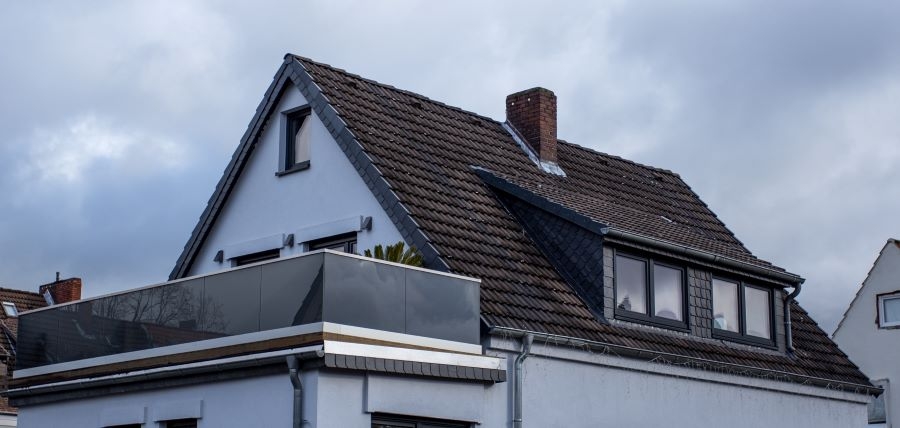
Selling a home is often a balancing act between timing, presentation, and smart investment. Many homeowners focus on obvious upgrades—fresh paint, modern fixtures, or staged interiors. These changes matter, but they are rarely what makes or breaks a deal. Buyers today are more informed, more cautious, and more attentive to details that go beyond surface appeal.
There is one upgrade, however, that consistently delivers value yet is often overlooked. It doesn’t always stand out in listing photos. It isn’t glamorous. But it plays a critical role in how buyers perceive the overall condition of a property—and how much they are willing to pay.
Understanding and addressing this hidden factor can significantly impact your final sale price.
Why Some Upgrades Fail to Deliver Real Value
It’s easy to assume that visible improvements drive higher offers. Kitchens and bathrooms, for example, are often considered the most important areas to upgrade. While they do influence buyer decisions, they don’t always guarantee a return that matches the investment.
Why? Because buyers don’t just evaluate what they see. They evaluate risk.
If a home looks beautiful but raises concerns about structural integrity or maintenance, buyers will hesitate. Even small doubts can lead to lower offers, longer time on the market, or failed negotiations.
In other words, cosmetic upgrades attract attention—but foundational confidence closes deals.
The Upgrade Buyers Notice Without Realizing It
The most impactful upgrade before selling is ensuring the home’s exterior systems are in excellent condition. This includes elements that protect the property from weather, moisture, and long-term wear.
Buyers may not always articulate it, but they are highly sensitive to signs of neglect. Subtle indicators—like uneven surfaces, water stains, or aging materials—can trigger concerns about hidden costs.
This is where many sellers lose value without realizing it.
A well-maintained exterior signals reliability. It tells buyers the home has been cared for. It reduces perceived risk. And most importantly, it supports a stronger asking price.
The Importance of Addressing Roof-Related Issues
Among all exterior elements, one area demands special attention. It plays a central role in protecting the entire property, yet it is often overlooked until problems become visible.
A small leak can quickly escalate into a major issue. Water can seep into hidden areas, causing damage that is difficult to detect and costly to fix.
Before listing your home, it is crucial to ensure that any signs of leakage or wear are properly addressed. This is not just about fixing a problem—it’s about eliminating a major concern for potential buyers.
Working with a qualified professional is key. For homeowners in specific regions, searching for services like emergency roof leak repair in Bay Village, OH can connect you with local experts who understand the climate, materials, and common issues in the area. Choosing the right specialist ensures that repairs are done correctly and documented properly, which can be valuable during negotiations.
Buyers feel more confident when they know this critical aspect of the home has been handled by a professional. It reduces uncertainty. It strengthens trust. And it supports your asking price.
First Impressions Go Beyond Curb Appeal
Curb appeal is often reduced to landscaping and paint color. But in reality, it goes much deeper.
When buyers arrive at a property, they assess the entire exterior environment within seconds. Their impressions are shaped by condition, not just style.
A home that appears structurally sound creates a sense of trust. On the other hand, visible wear—even if minor—can create doubt that lingers throughout the viewing.
This psychological effect is powerful. Once doubt is introduced, buyers begin looking for additional flaws. They become more critical. More cautious. Less willing to meet the asking price.
Improving the underlying condition of your home helps prevent this chain reaction.
The Cost of Ignoring Hidden Issues
Many homeowners delay addressing minor exterior problems because they seem insignificant. A small leak. Slight discoloration. A patch that “can wait.”
But buyers—and especially inspectors—see these issues differently.
What appears minor can signal larger underlying problems. Water intrusion, for instance, is one of the biggest red flags in real estate. It suggests potential damage, mold, or structural concerns.
Even if the issue is contained, the perception alone can reduce your home’s value.
Addressing these problems before listing is not just about repair. It’s about controlling the narrative of your home’s condition.
The Role of Preventive Maintenance in Property Value
Preventive maintenance is often underestimated in real estate. Yet it is one of the most cost-effective ways to protect and increase property value.
When a home is well-maintained, it communicates consistency. Buyers interpret this as a sign that they won’t face immediate expenses after purchase.
This perception has real financial impact.
Homes that appear “move-in ready” tend to sell faster and closer to asking price. They attract more interest. They create competitive pressure among buyers.
In contrast, homes with visible maintenance concerns often invite negotiation. Buyers factor in repair costs—and then some.
Why Exterior Integrity Matters More Than You Think
Exterior systems are your home’s first line of defense. They protect everything inside—from walls and insulation to flooring and electrical systems.
When these systems are compromised, the effects can spread quickly and silently.
Moisture is particularly damaging. It doesn’t always show immediate signs, but over time, it can weaken structures, create health hazards, and lead to expensive repairs.
Buyers are aware of this. Even if they don’t fully understand the technical details, they recognize the risks.
This is why addressing exterior integrity before selling is not optional. It’s essential.
Small Fixes, Big Impact
Not every improvement needs to be large or expensive to be effective. In fact, some of the most valuable upgrades are relatively simple.
Sealing gaps. Replacing worn materials. Addressing minor damage. These actions may seem small, but they contribute to a larger perception of quality.
When combined, they create a home that feels solid and well cared for.
This is what buyers are looking for.
They want assurance. They want stability. They want to feel that they are making a safe investment.
Timing Your Upgrade for Maximum Return
Timing plays a crucial role in maximizing the impact of any upgrade. Ideally, improvements should be completed before the home is listed.
This allows you to present the property in its best condition from the start. It also prevents delays during the negotiation process.
If issues are discovered during inspection, buyers may request repairs, credits, or price reductions. These situations often put sellers at a disadvantage.
By addressing concerns proactively, you maintain control. You set the terms. You create a smoother transaction.
How to Prioritize the Right Improvements
With limited time and budget, it’s important to focus on upgrades that deliver the highest return.
Start by evaluating the condition of your home’s exterior systems. Look for signs of wear, damage, or aging.
Next, consider the buyer’s perspective. What would raise concerns during a viewing or inspection? What might lead to hesitation?
Finally, consult with professionals if needed. A pre-listing inspection can provide valuable insights and help you prioritize effectively.
The goal is not to make your home perfect. It’s to make it reliable.
Creating Confidence That Translates Into Value
At its core, selling a home is about building confidence. Buyers need to feel secure in their decision. They need to trust that the property is worth the investment.
Every improvement you make should support this goal.
When your home presents as well-maintained, structurally sound, and free of major concerns, buyers respond positively. They are more likely to make strong offers. They are less likely to negotiate aggressively.
Confidence leads to value. And value leads to better outcomes.
Final Thoughts
Preparing a home for sale involves more than surface-level improvements. While aesthetic upgrades can enhance appeal, they are not always enough to secure the best possible price.
Focusing on the often-overlooked aspects of a property—especially those related to protection and long-term durability—can make a significant difference. These improvements may not always be visible at first glance, but they shape how buyers perceive the home as a whole.
By addressing these critical areas before listing, sellers can create a stronger position in the market, reduce uncertainty, and ultimately achieve a more successful sale.