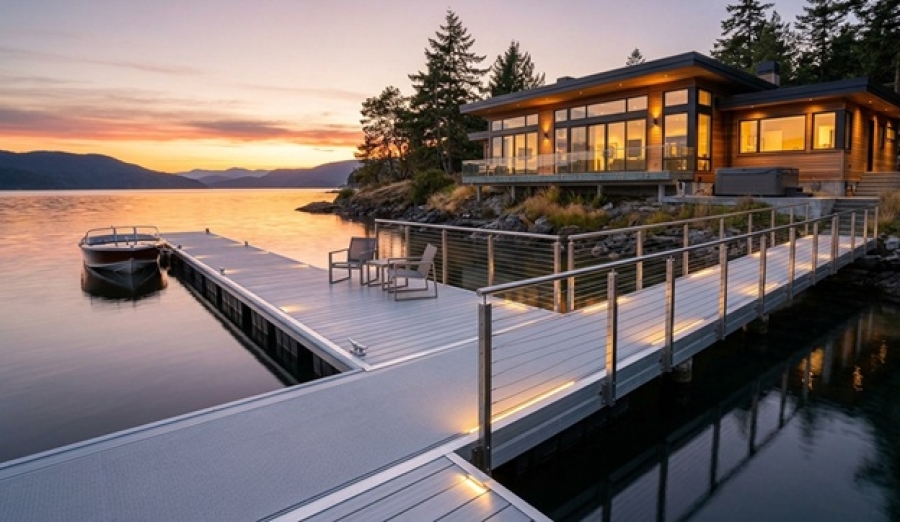
Around 29% of people in the US live in coastal counties, and the dream of owning a waterfront home comes with the reality of constant maintenance for all these millions of people. Salt air and high humidity are relentless, slowly eating away at traditional building materials until they require expensive repairs. Upgrading your exterior with materials specifically engineered for marine environments ensures you spend more time on the boat and less time with a power washer.
Marine Grade Aluminum Dock Surface
Wood is the traditional choice for docks, but it is also the most demanding. It splinters, rots, and requires annual staining to prevent the sun from turning it into a brittle mess.
Switching to low-maintenance aluminum dock flooring eliminates the need for chemical treatments and constant scrubbing. These systems dissipate heat better than wood or composite, keeping the surface comfortable for bare feet on the hottest July afternoons. Aluminum is naturally resistant to the corrosive effects of salt spray, meaning the structural integrity remains intact for decades.
This shift toward metal surfaces is largely driven by the fact that aluminum outlasts pressure-treated timber by nearly three to one in high-salt environments. When you choose a material that cannot rot, you remove the biggest recurring expense from your property management list.
Non Slip High Traction Walkways
Safety is the primary concern for any walkway leading down to the water. Algae and moisture create a slick film that can make even a gentle slope dangerous for family and guests.
Upgrading to surfaces with built-in traction patterns reduces the risk of falls without requiring abrasive "grip tapes" that eventually peel off. Modern walkways use advanced embossing techniques to create a permanent texture that remains effective even when submerged during high tide or heavy storms.
Maintaining a safe path to your pier involves a few key considerations:
• Choose a surface with a high coefficient of friction
• Ensure the material allows for rapid water drainage
• Select a color that minimizes glare from the sun
Perforated surfaces perform best in wet conditions. These designs allow water to pass through the walkway rather than pooling on top. This simple mechanical advantage prevents the buildup of "biofilm", which is the slippery organic layer that usually forms on stagnant, wet wood.
Stainless Steel Guardrails And Gates
Standard deck railings often fail quickly when exposed to the constant mist of a coastline. Rust streaks can ruin the aesthetic of a beautiful home, and structural failure poses a significant liability.
Upgrading to 316-grade stainless steel hardware or powder-coated aluminum railings provides a permanent solution that meets modern safety codes. These materials do not require painting and only need a quick freshwater rinse once or twice a year to maintain their luster.
Ensuring your railings are up to the task is more than just a cosmetic choice. Safety code updates mean that waterfront guardrails now require specific height and tension standards to withstand increased wind loads during storm events. By installing professional-grade gates and rails, you protect your view while securing your perimeter against the elements.
Sealed LED Marine Lighting
Navigating a dark dock is a recipe for a ruined evening. Traditional outdoor lighting often suffers from "creep," where moisture enters the housing and shorts out the bulb or corrodes the socket.
Upgrading to integrated LED systems with an IP68 waterproof rating ensures your lighting stays functional regardless of the weather. Solar-integrated systems are particularly useful because they eliminate the need to run complex underwater wiring or conduit.
Modern marine lighting offers several benefits for homeowners:
• Directional beams reduce light pollution over the water
• Long-life LEDs eliminate the need for frequent bulb changes
The latest systems are designed to be "set and forget" installations. Modern units can now be programmed via smartphone to adjust brightness based on the time of day. This technology ensures your home is visible to incoming boaters while keeping energy costs low.
Hurricane Ready Structural Hardware
The skeleton of your waterfront structures is just as important as the surface. Standard galvanized bolts often lose their protective coating within a few years, leading to "hidden rot" inside the pilings.
Replacing old fasteners with hurricane-rated, marine-grade hardware ensures your dock stays attached to the shore during a surge. This is a low-visibility upgrade that provides the highest level of peace of mind. Combined with other tactics, you’ll feel much safer.
It is far cheaper to reinforce a structure now than to rebuild it after a major weather event. Using 316 stainless steel or specialized heavy-duty brackets can prevent structural twisting during high winds. These small components are the literal glue holding your investment together when the environment becomes hostile.
Planning Your Waterfront Longevity
Investing in the right materials today saves thousands of dollars in labor and replacement costs tomorrow. While the initial price of aluminum or stainless steel may be higher than traditional lumber, the lifecycle cost is significantly lower.
By focusing on corrosion resistance and structural integrity, you create a space that is meant for relaxation rather than a never-ending list of chores. If you are looking for more ways to enhance your outdoor living space, our site has plenty more posts worth reading.