




To a homeowner and small business in places like Western Montana, having a good heating and cooling system is not only about comfort, but it is also about consistency and the feeling of security. Winters are very harsh and protracted, and at times when the cold sets in, you must not hesitate to work. Nevertheless, regardless of the care, any unit will come to a point when it is no longer efficient.
The idea to replace HVAC usually comes to many people when they start noticing the problems with its work or increasing utility bills. The average HVAC system lifespan may help make the next course of action easier to determine. In the repair vs replace HVAC debate, calling a reputable HVAC company can be a good move; they can assess your system and help you plan next steps with confidence.
What is the Life expectancy of an HVAC system?
The lifespan of an HVAC system depends on the nature of the equipment used and its maintenance. The majority of the systems work between 10 and 20 years, although it may be different.
Furnace lifespan is approximately 20 years and is longer when the equipment is regularly maintained. On average, heat pumps and air conditioners last about ten to fifteen years. In cold places such as Western Montana, heating systems operate for longer hours and get more worn.
You can make your HVAC system last longer by giving it regular maintenance. In the end, its performance will decrease, and the price of repairs will go up. Replacement usually becomes the more feasible alternative at that stage.
Clear Signs It's Time to Replace Your HVAC System
It is possible to understand when the time to replace HVAC system equipment may come by recognizing early warning signs. Although a few repairs are to be anticipated, frequent ones are a strong indicator of a more significant problem.
The following are typical symptoms to observe:
• Constant failure or frequent maintenance.
• Rising energy bills without a clear explanation.
• Uneven heating or cooling throughout the space.
• Abnormal sounds or lingering smells.
The Repair vs. Replace Decision
Repair vs replace HVAC is a decision that the majority of property owners have to encounter at some time. When you have a relatively new system, and the problem is not major, then it is best to repair it.
Nevertheless, repairing systems is more likely to be expensive and common as they reach old age. When such a scenario is experienced, repairing it may only delay the inevitable. HVAC replacement option would be a more optimal and dependable solution when it comes to long-term costs.
The consideration of the system age and repair costs may assist in making the repair vs replace HVAC decision and avoid the unwarranted expenditure.
Benefits of Replacing Your HVAC System
The benefits of upgrading your system go beyond merely restoring functionality. Among the most noticeable advantages is better energy efficiency. Newer systems have been developed to consume less energy and perform well, and this can reduce utility bills per month.
Newer systems are also more consistent in temperature control. You can also expect a more balanced indoor environment as opposed to having uneven heating or cooling.
Also, most newer systems have better filters that may be used to make the air within better. HVAC replacement may make both homes and businesses more comfortable and efficient.
What to Consider When Choosing a Replacement System
When it comes to changing your HVAC unit, making a wise choice can't be overlooked. Among the issues that should be considered during the selection process, the very first thing is accurate sizing.
An excessively big or little unit won't be able to maintain the desired temperatures efficiently.
Energy efficiency rating, insulation, and the design of your property are other aspects that can be considered. Professionals like the team in Comfort Solutions are in a position to analyze these facts and suggest appropriate alternatives.
Strategically Timing the Replacement of your HVAC
Waiting for a system to fail completely can cause unnecessary stress, particularly in extreme weather conditions. You can plan the HVAC replacement in advance to explore your options and schedule installation at a more convenient time.
Most property owners prefer to change their systems in milder seasons when the services are in low demand. This will help create a bit more flexibility and lessen the strain of having to make decisions on the spot.
Getting the Most Out of Your Existing System
Although you may not be ready to change your system at the moment, maintenance can be done periodically to extend its life. Frequent inspections allow the experts to identify small issues before they become more serious ones.
Efficiency can be increased and wear can be decreased with easy actions like routinely changing filters and maintaining clean components.
In Conclusion
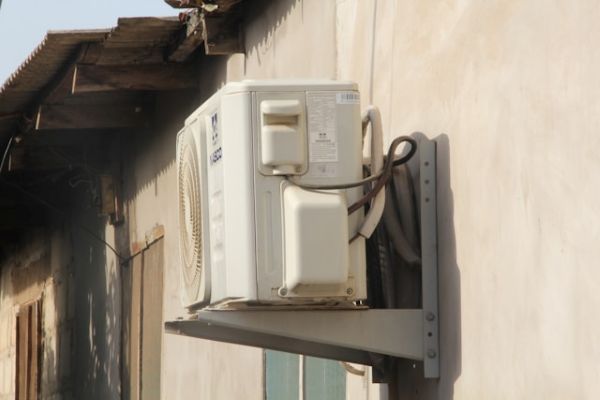 Photo by Maxwell Odonkor on Unsplash
In order to make a better decision, it is important to learn the lifespan of HVAC systems, the warning signals, and how effectively you examine the decision to repair or replace an HVAC system.
Whether you're managing an aging system or planning a replacement, we'd love to hear your thoughts.