




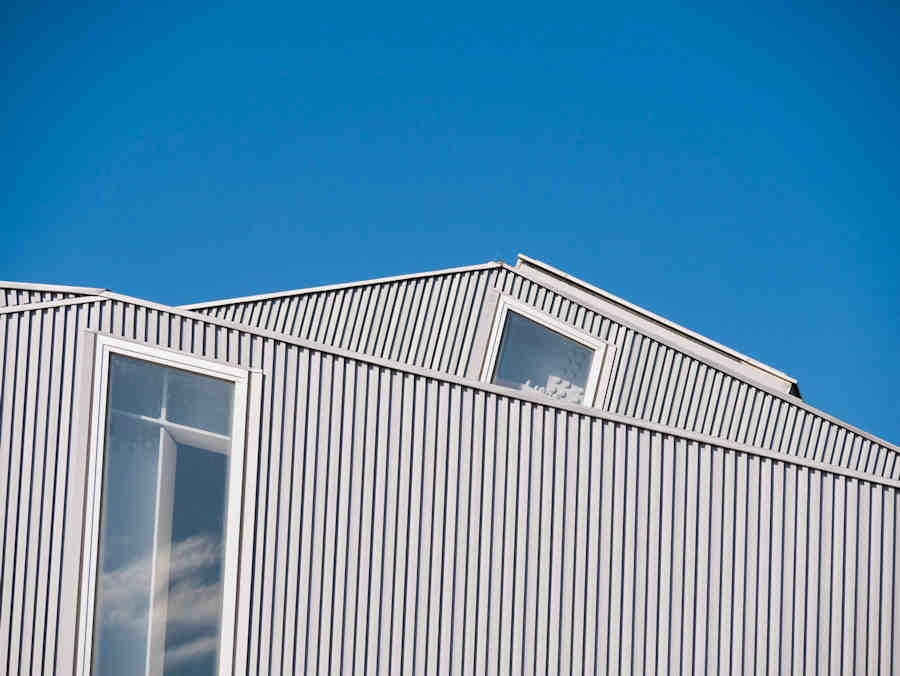
Metal facilities are built for strength and scale, yet thermally temperamental. A steel skin conducts heat quickly, radiates it efficiently, and responds fast to sun, wind, and night cooling. That means indoor conditions can swing from “freezer” to “furnace” within hours, especially in spaces like fabrication shops and warehouses. If you’re running people, equipment, or temperature-sensitive processes under that roof, regulation isn’t a comfort upgrade; it’s operational risk management.
Good temperature control starts with the envelope. The fastest way to reduce peaks and valleys is to slow heat flow and limit uncontrolled air movement. Start by evaluating roof and wall assemblies and choosing materials suited to metal construction—options like industrial-grade insulation for metal buildings are often considered because they’re designed for purlins, fasteners, and long spans.
Metal buildings don’t “buffer” temperature like other structures
Wood-framed buildings with cavities, drywall, and heavier interior finishes often have more thermal mass and air-tight layers by default. Metal buildings, by contrast, are prone to:
Rapid heat gain and radiant load
A dark roof in full sun can reach well over 150°F. Even if the air temperature is moderated by ventilation, radiant heat from the roof and walls can make work zones feel significantly hotter, pushing HVAC systems to chase a moving target.
Thermal bridging and stratification
Steel members bridge insulation layers, creating cold or hot streaks that drive condensation, discomfort, and uneven zones. Add a 30–40 foot ceiling and you’ll get stratification: hot air parked above, cold drafts below.
What goes wrong when temperature swings aren’t managed
Condensation: the quiet destroyer
Condensation happens when warm, moist air meets a surface below the dew point—often the underside of roof panels or near thermal bridges. The consequences are rarely immediate, but they accumulate:
• Corrosion on structural steel, fasteners, and panel seams
• Wet insulation that loses R-value and dries slowly
• Drips onto inventory, tools, and electrical components
• Mold risk on any interior finishes or stored packaging
A facility that “feels fine” most days can still be cycling moisture into the building every night, then evaporating it each morning—a recipe for long-term damage.
Worker safety and productivity
Heat stress isn’t theoretical. The CDC and OSHA continue to highlight increasing heat exposure risks, and metal buildings can amplify them through radiant gain and limited shading. On the other end, cold conditions reduce dexterity and increase injury risk when workers handle metal stock, operate lifts, or use precision tools. Temperature regulation matters because it stabilizes the “felt” temperature (air plus radiant) in occupied zones, reduces fatigue and heat-related incidents, and helps maintain a consistent pace on lines and in bays.
Even small improvements—better airflow patterns, reduced radiant heat, fewer drafts—can translate into fewer slowdowns and fewer mistakes.
Process control and product quality
Many metal facilities support processes that are sensitive to temperature and humidity: powder coating, painting, adhesive curing, CNC machining tolerances, and electronics assembly. Swings can show up as coating defects (orange peel, fisheyes, poor adhesion), slower cure times during cold snaps, dimensional drift in precision work from thermal expansion, and moisture-related packaging failures in stored goods.
If you’ve ever wondered why a line runs smoothly on Tuesday and struggles on Thursday with the same team and settings, look at the weather and the building’s response.
The most effective levers for regulation (and when to use them)
Start with the roof and air sealing
In most climates, the roof is the dominant driver of heat gain, heat loss, and condensation risk. Improving roof insulation and managing air leakage typically delivers the highest return because it reduces load before you spend on mechanical conditioning. Pay attention to details that are easy to miss: penetrations, ridge conditions, eave interfaces, and transitions around overhead doors.
Balance ventilation with control
Ventilation is essential for fumes, dust, and welding smoke—but unmanaged ventilation can also be a huge energy leak. The goal is deliberate air exchange: bring air in where it helps, exhaust where contaminants are generated, and avoid short-circuiting. In high-bay facilities, destratification fans can reclaim heat in winter by pushing warm air down, cutting heating runtime without changing setpoints.
Use zoning and smart controls
Trying to condition 100,000 square feet to one uniform temperature is expensive and often unnecessary. Instead, treat temperature like a resource you allocate: zone HVAC or make-up air to match occupied areas and schedules; use vestibules or air curtains at frequently used doors; add sensors for temperature and relative humidity at multiple heights; and watch dew point, not just temperature, to predict condensation.
A simple data logger can reveal patterns—like peak roof heat at 3 p.m. or humidity spikes after a washdown—that you can address with targeted changes.
A practical roadmap for facility teams
Start with a walk-through on an extreme day (hottest or coldest). Where are the uncomfortable zones? Where do you see condensation, rust lines, or dust trails that signal air paths? Then prioritize fixes in this order: reduce heat transfer, control air movement, and finally optimize mechanical systems. When you do invest in HVAC, right-size it based on the improved envelope; otherwise you’ll pay for capacity you no longer need.
Temperature regulation in metal facilities isn’t about chasing perfect comfort. It’s about protecting assets, stabilizing production, and creating predictable working conditions in a structure that naturally wants to swing with the weather. Get the envelope and airflow right, and everything downstream—energy, maintenance, quality, and safety—gets easier to manage.