




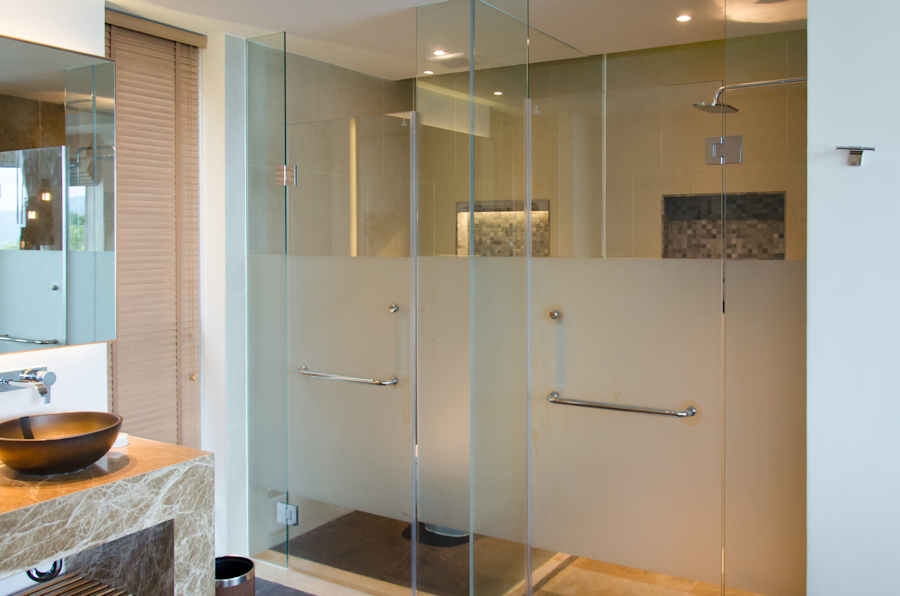
In a high-end bathroom, the shower door isn’t a finishing touch—it’s a focal point. It affects sightlines, light, acoustics, cleaning effort, even how “quietly luxurious” the room feels day to day. And while tile and fixtures tend to get the spotlight, the right door can make a well-designed shower look architectural rather than merely functional.
So what separates an elegant shower door choice from an average one? It usually comes down to three things: proportion (how it fits the space), detailing (glass and hardware choices), and performance (how it moves, seals, and wears over time). Let’s walk through the options that consistently deliver in upscale bathrooms—and the practical decisions that keep them looking pristine.
Start with the layout: door style should follow the room
Hinged (swing) doors: the classic, tailored look
A hinged door is often the most “high-end” visually because it reads like a real door—substantial, intentional, and clean. It pairs beautifully with symmetrical shower openings and bathrooms that have enough clearance for a comfortable swing.
Where it shines:
• Larger primary suites
• Showers with strong axial views (the door becomes part of the composition)
• Designs that prioritize minimal hardware and crisp geometry
The key is planning for movement: towel bars, vanities, and even a bath mat can become obstacles if the swing path is tight.
Sliding doors: refined practicality for space-conscious luxury
Sliding systems have come a long way. Today’s premium sliders can feel almost weightless, with quiet rollers and slim profiles that don’t dominate the glass. They’re ideal when space is limited or when a hinged door would conflict with nearby fixtures.
If you’re after an elevated look, pay attention to track design. Minimalist rails, concealed rollers, and carefully matched finishes keep the system looking intentional rather than utilitarian.
Fixed panel + open entry: spa-like and seamless
The “walk-in” look—a fixed glass panel with an open entry—can be stunning in the right setting. It creates an airy, hotel-spa effect and shows off statement tilework without visual interruption.
But elegance here depends on performance. You’ll want to think through spray direction, showerhead placement, and the bathroom’s temperature and ventilation. Done well, it’s serene. Done poorly, it’s drafty and damp.
Frameless isn’t a trend—it’s a design language
Why frameless reads more expensive
Frameless shower doors remove visual clutter. Without thick metal frames, the eye goes to the materials you invested in: stone slabs, handmade tile, brushed brass fittings, or a sculptural tub nearby. The glass becomes a boundary rather than a feature.
Most frameless systems rely on thicker tempered glass and precision hardware, which is part of why they feel substantial. If you’re exploring different configurations and details, it helps to look at a range of modern bathroom shower solutions to understand how glass, hinges, handles, and layouts come together in real installations.
Semi-frameless: a smart compromise in certain homes
Semi-frameless doors—typically with a subtle perimeter channel or partial framing—can be a good fit when you want a cleaner look but need a bit more flexibility for out-of-plumb walls or slightly uneven openings (common in renovations). The best versions keep the metal thin and deliberate, avoiding bulky profiles that break the “high-end” spell.
Glass choices that quietly change everything
Clear vs. low-iron glass
Standard clear glass often has a faint green tint, especially noticeable on thicker panels. Low-iron glass (sometimes called “ultra-clear”) reduces that tint and makes white marble, pale terrazzo, and cool gray tile look more accurate.
If your palette is light and refined, low-iron glass can be one of the most impactful upgrades—subtle, but once you see the difference, it’s hard to unsee.
Textured and reeded glass: privacy without heaviness
For homeowners who don’t want full transparency, textured glass is having a moment again—reeded, fluted, or softly patterned surfaces that blur sightlines while still letting light travel. It’s an elegant alternative to frosting, which can sometimes read flat or overly opaque.
Textured glass also pairs beautifully with vintage-inspired hardware or transitional bathrooms where you want warmth, not stark minimalism.
Protective coatings: the underrated luxury
A glass treatment that helps repel water spots can meaningfully reduce maintenance. In high-end homes, elegance is as much about how the space lives as how it photographs. Fewer minerals clinging to the glass means the shower looks “just cleaned” more often, with less effort.
Hardware: where craftsmanship shows
Finish coordination (and why it’s trickier than it sounds)
Matching the shower hardware to the rest of the bathroom sounds simple until you see how different brands interpret “brushed nickel” or “matte black.” In a luxury space, mismatched undertones can stand out.
Bring samples into the bathroom lighting if you can. Natural daylight, warm LEDs, and dimmable sconces all change how finishes read.
Hinge and handle style: minimal, tailored, or bold
High-end doors typically avoid fussy shapes. Look for hardware with confident geometry and solid feel—hinges that move smoothly, handles that don’t feel hollow, and brackets that look engineered rather than decorative.
If you want a single, controlled moment of drama, consider a statement handle in an otherwise restrained space. It’s a small move that can add personality without adding clutter.
Details that separate “custom” from “cookie-cutter”
Proportions and alignment
Elegant shower doors often align with grout lines, niche edges, or slab seams. That alignment takes planning (and sometimes patience during installation), but it’s one of the clearest signals of a thoughtfully executed bathroom.
Sealing strategy: invisible but essential
A door can look spectacular and still perform poorly if water management is an afterthought. The goal is a clean silhouette and a dry floor.
A few practical checks worth discussing with your installer (this is the only checklist you’ll need):
• Confirm how out-of-plumb walls will be handled (minimal channels vs. custom scribing).
• Ask where seals will be placed and how visible they’ll be from the main viewpoint.
• Plan the sweep and threshold to balance water control with accessibility.
• Ensure the door swing or slider overlap won’t clip nearby fixtures or towel bars.
The final takeaway: invest where you’ll feel it daily
A high-end shower door isn’t just about picking “frameless” and moving on. The best results come from matching the door style to the room, choosing glass that flatters your materials, and specifying hardware that feels intentional in the hand. When those choices are made with care, the shower becomes quieter, brighter, and more cohesive—exactly what luxury should feel like.
If you’re renovating, treat the shower door as part of the architecture, not an accessory. You’ll see the difference every morning.