




Dealing with a neighborhood architectural committee is usually a massive headache, especially when trying to upgrade a property. This article breaksdown exactly how to get a permanent growing structure approved without triggering a turf war or racking up ridiculous daily fines.
Homeowners Associations technically exist to protect property values, but anyone who has ever lived under one knows they mostly just send angry letters about trash cans being left out for too long or your length of grass for some reason. Adding any sort of outbuilding to a heavily regulated neighborhood usually requires jumping through massive bureaucratic hoops. The committee wants the entire street to look completely uniform, which makes adding a custom gardening space incredibly tricky.
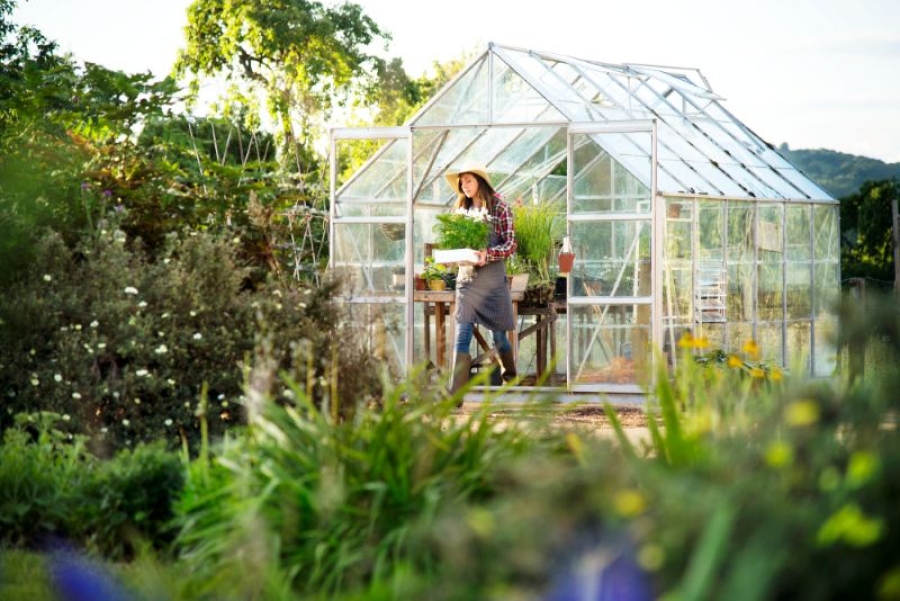
The biggest mistake eager gardeners make is buying a cheap, flimsy plastic hoop tent online and dragging it into the side yard. That is a guaranteed way to get a cease-and-desist letter taped to the front door within a day or so. HOAs absolutely despise temporary structures. Beating the committee requires proposing something permanent and visually impressive. Investing in a high-quality, weather-resistant Backyard Greenhouse completely changes the conversation from "temporary eyesore" to "luxury property addition." Getting the board to say yes is entirely about playing their specific game. For extra protection against neighborly disputes, reviewing standard property line and easement rules before breaking any ground is always a smart play.
Step One: Decode The Ridiculous Bylaws
Before buying a single piece of glass or aluminum, finding the actual printed neighborhood bylaws is mandatory. Assuming a project is fine just because the neighbor across the street has a shed is a terrible strategy.
Every single association has a specific section detailing "Accessory Structures" or "Outbuildings." These documents dictate the exact maximum square footage, the required distance from the property line and even the specific roof pitch allowed in the community. Read the fine print closely. Sometimes, the rules specifically ban traditional storage sheds but completely fail to mention glass structures. Finding the exact loopholes and restrictions in the paperwork makes it incredibly difficult for the architectural review board to blindly reject a proposal later on.
Step Two: Propose Premium Materials
Committees reject projects that look cheap. It is really that simple. If a proposed structure looks like it might blow away during a heavy afternoon thunderstorm, the board will stamp a giant red 'denied' on the paperwork without a second thought.
When submitting the project for approval, focus heavily on the construction materials. Highlight the heavy-duty aluminum framing, the shatterproof polycarbonate or tempered glass panels and the permanent foundation. The goal is to make the structure sound like an elegant, high-end conservatory rather than a messy farming project. Board members are completely obsessed with curb appeal. If the materials match the aesthetic quality of the primary residence, their main argument against the build completely evaporates.
Step Three: Submit An Overwhelming Blueprint
Handing the board a napkin sketch of a gardening project is a rookie mistake. Approaching the architectural review committee requires treating the meeting like a massive corporate presentation.
Submit a (ridiculously) thorough package. Include professional blueprints, exact dimensions, material swatches and pristine photos of similar completed builds. Map out exactly where the structure will sit on the property survey, proving beyond a shadow of a doubt that it sits well within the required setbacks. Provide details on how the structure will be anchored to the ground and handle water runoff. Overwhelming the committee with professional documentation leaves them with absolutely zero room to ask annoying follow-up questions. When the paperwork is flawless, denying the request actually becomes more work for them than just approving it belive it or not.
Step Four: Mask It With Greenery
Even with premium materials and perfect paperwork, some neighbors simply hate looking at anything new. The easiest way to pacify the constant complainers on the board is to include a comprehensive exterior planting plan right in the initial proposal.
Promise the committee that the base of the structure will be completely masked by attractive, HOA-approved shrubs or decorative fencing. Show them exactly how the structure will blend seamlessly into the existing yard rather than sticking out awkwardly. Offering to hide the foundation with a row of neat boxwoods or tall ornamental grasses is often the exact concession needed to get a hesitant board member to finally sign the approval form. Play the political game, submit the perfect paperwork and start growing those winter tomatoes in peace.
The Final Checkbox: Playing the Political Game
At the end of the day, dealing with a neighborhood review board is just an annoying political negotiation. Even with premium materials and flawless blueprints, someone might still complain simply because they enjoy exercising their tiny amount of neighborhood authority. The easiest way to win is to nod politely, agree to plant a few board-approved bushes around the base to appease the loudest complainers and smile through the tedious meetings. Handing the committee a completely meaningless aesthetic victory makes them feel important. Once they finally stamp that approval paperwork, the headache completely disappears, leaving behind a massive, permanently approved space to grow ridiculous amounts of winter vegetables in absolute peace.