




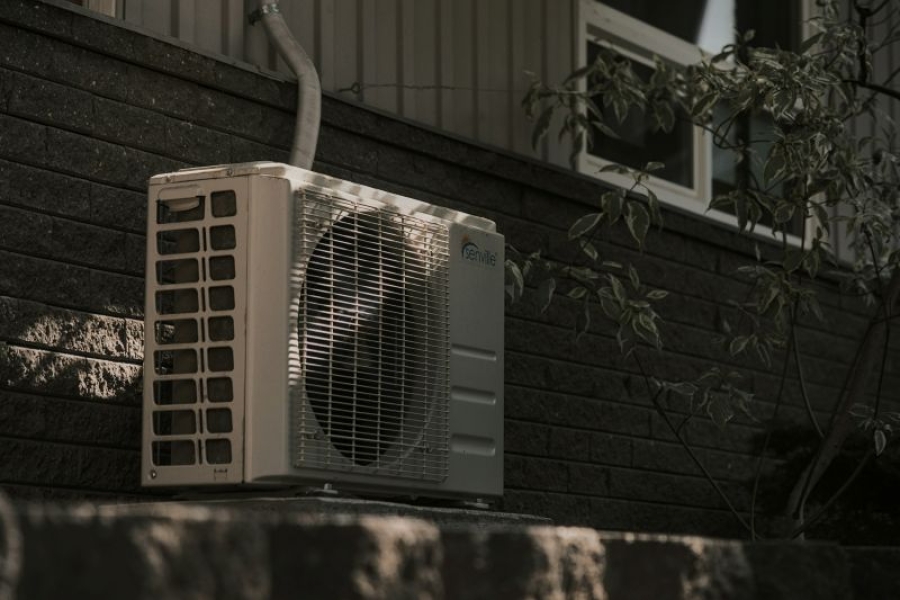
In Texas real estate markets, few systems influence buyer decisions and property valuations as directly as climate control. Abilene's summer temperatures regularly exceed 95°F, making air conditioning not just a comfort feature but a fundamental requirement that shapes marketability and resale value.
The condition of an HVAC system affects everything from inspection outcomes to final sale prices. Properties with aging or inefficient cooling systems face steeper negotiations, while homes with well-maintained, energy-efficient equipment command premium pricing. Understanding the relationship between climate control infrastructure and property performance has become essential knowledge for investors, landlords, and homeowners throughout the region.
Why AC System Condition Matters in Property Transactions
Air conditioning failures represent one of the most common deal complications in West Texas real estate. When systems malfunction during inspections or fail shortly after purchase, the financial consequences extend well beyond repair costs.
The most frequent issues in Abilene's climate include:
• Refrigerant leaks: Reduced cooling capacity and increased energy consumption that often go unnoticed until system performance degrades significantly.
• Electrical failures: Wiring problems and capacitor failures accelerated by sustained high-temperature operation.
• Sensor malfunctions: Thermostat and control issues that create temperature inconsistencies throughout properties.
• Compressor wear: Premature failure from continuous operation during extended heat periods.
Properly maintained residential cooling systems last 15-20 years, while neglected units often fail within 10-12 years. This maintenance gap directly translates to property value differences, with buyers typically discounting offers by $3,000-$8,000 when faced with aging HVAC equipment.
If you are in the market for a new AC, then you can check out this buyer’s guide.
Climate-Specific Considerations for Abilene Properties
Abilene's location in the Rolling Plains creates distinct HVAC demands that differ from both humid coastal regions and drier western areas. The combination of intense summer heat, moderate humidity, and occasional winter freezes requires systems capable of handling variable conditions.
Key climate factors affecting system selection and performance:
• Extended cooling seasons: Air conditioning operates 7-8 months annually, with peak demand from June through September.
• Temperature extremes: Summer highs frequently reach 100°F while winter lows occasionally drop below 20°F.
• Humidity fluctuations: Relative humidity varies from 25% during dry periods to 70% during weather systems, affecting dehumidification loads
• Dust exposure: West Texas wind patterns increase particulate infiltration, accelerating filter replacement needs.
System specifications that perform well in Abilene's environment include SEER ratings above 16 for cooling efficiency, variable-speed compressors that adjust to fluctuating loads, and enhanced filtration to manage airborne particulates. Properties with properly sized equipment—neither oversized nor undersized for square footage—demonstrate better temperature control and lower operating costs.
Evaluating System Quality in Existing Properties
Whether assessing investment opportunities or preparing properties for sale, understanding how to evaluate HVAC system condition provides significant negotiating advantages. Quality systems share identifiable characteristics that distinguish them from marginal installations.
Performance indicators of well-maintained systems:
• Consistent temperature distribution: Minimal variation between rooms and floors, indicating proper airflow balance.
• Quiet operation: Absence of grinding, squealing, or rattling sounds that signal mechanical wear.
• Rapid cooling cycles: Ability to reduce indoor temperature 15-20 degrees within 30 minutes of activation.
• Clean components: Absence of rust, corrosion, or refrigerant staining around connections and coils.
• Documentation: Service records demonstrating regular professional maintenance
Energy efficiency manifests in utility costs, with well-functioning systems typically consuming 25-40% less electricity than aging or poorly maintained equipment. Reviewing 12 months of utility bills often reveals seasonal patterns that indicate system performance levels.
For properties with questionable HVAC conditions, professional inspections cost $150-$300 but frequently identify issues worth thousands in repair costs or negotiating leverage.
Maintenance Practices That Preserve Equipment Value
The difference between systems that reach their full lifespan and those requiring premature replacement typically comes down to consistent maintenance practices. Property owners who implement regular service schedules avoid the majority of expensive failures.
Essential maintenance tasks for Abilene properties:
Monthly filter inspection: Check filters every 30 days during cooling season, replacing when visibly dirty or every 90 days minimum.
• Annual coil cleaning: Professional cleaning of evaporator and condenser coils removes efficiency-reducing buildup.
• Refrigerant level verification: Annual checks ensure proper charge levels, preventing compressor damage from low refrigerant.
• Electrical connection inspection: Tighten connections and test capacitors to prevent failure during peak demand.
• Condensate drain clearing: Prevent water damage and humidity problems by maintaining clear drainage paths.
• Thermostat calibration: Verify accurate temperature sensing and proper system cycling.
Properties with documented annual maintenance sell faster and command 2-4% higher prices than comparable properties with unknown service histories. This premium often exceeds the cumulative cost of maintenance over a system's lifetime.
Outdoor unit maintenance deserves particular attention in Abilene's environment. Clearing vegetation within two feet of condensers, removing accumulated debris, and ensuring level installation prevent common efficiency problems that increase operating costs by 15-25%.
Technology Advances Reshaping Residential Climate Control
Recent innovations in HVAC technology have created meaningful performance gaps between current equipment and systems installed just 5-7 years ago. Properties with modern systems offer tangible advantages in comfort, efficiency, and smart home integration.
Current technology worth considering for upgrades or new installations:
• Variable-speed compressors: Adjust output to match cooling demand rather than cycling on/off, reducing energy consumption by 20-30%
• Smart thermostats: Learning algorithms and remote access optimize temperature schedules and enable monitoring from anywhere
• Zoned systems: Independent temperature control for different areas, particularly valuable in multi-story properties
• Advanced filtration: MERV 13-16 filters and UV purification systems that improve indoor air quality
• Inverter technology: Precise capacity modulation that eliminates temperature swings and reduces wear on components
The financial case for upgrading to high-efficiency equipment has strengthened as utility rates increase and equipment costs decline. Systems with SEER ratings of 18-20 now cost only 15-25% more than minimum-efficiency models while delivering 30-40% lower operating costs.
Smart home integration represents another value factor, with properties featuring connected HVAC systems appealing to tech-oriented buyers. Remote monitoring capabilities also benefit property managers overseeing multiple rental units, enabling proactive maintenance and rapid response to tenant concerns.
Regional Service Quality and Provider Selection
The relationship between property owners and HVAC service providers significantly influences long-term system performance and cost management. Selecting qualified contractors requires evaluating factors beyond initial service call pricing.
Criteria for identifying reliable HVAC service providers:
• Licensing and certification: Verify current Texas contractor licenses and manufacturer certifications for installed equipment brands
• Response time commitments: Availability for emergency service during peak summer months when failures occur most frequently
• Transparent pricing: Detailed estimates that itemize labor, parts, and any diagnostic fees before work begins
• Service guarantees: Warranties on both parts and labor that demonstrate confidence in work quality
• Local experience: Familiarity with Abilene's specific climate challenges and common regional system issues
Property owners managing multiple units or investment portfolios benefit from establishing relationships with service providers who offer maintenance contracts. Local providers like Quality Cooling Heating & Plumbing, Aire Serv, and One Hour Heating & Air Conditioning offer these agreements, which typically include priority scheduling, discounted service rates, and systematic maintenance that prevents small issues from becoming expensive failures.
The Property Value Equation
Climate control infrastructure represents one of the few property systems where condition directly correlates with market value in quantifiable ways. Appraisers, inspectors, and buyers all evaluate HVAC systems as key components of property condition assessments.
The value impact manifests in several ways:
• Appraisal adjustments: Properties with systems near end-of-life typically see $3,000-$8,000 value reductions in formal appraisals
• Inspection negotiations: Buyers routinely request repairs or credits for HVAC issues discovered during due diligence
• Marketing advantages: Listings highlighting recent system upgrades or maintenance records attract more showing requests
• Tenant retention: Rental properties with reliable climate control experience lower turnover and fewer maintenance complaints
For investment properties, operating cost differences between efficient and inefficient systems directly affect cash flow and return calculations. A property consuming $200 monthly in excess cooling costs due to an aging system loses $2,400 annually in net operating income—a figure that compounds over holding periods and reduces overall investment returns.
Properties positioned for sale benefit from pre-listing HVAC inspections that identify and address issues before they surface during buyer due diligence. This proactive approach prevents last-minute negotiations and demonstrates property care that reassures buyers about overall maintenance standards.
The intersection of climate control performance and property value extends beyond immediate transaction impacts. Well-maintained systems contribute to indoor air quality, humidity control, and overall living comfort—factors that influence tenant satisfaction, review ratings for rental properties, and long-term property reputation in competitive markets.