




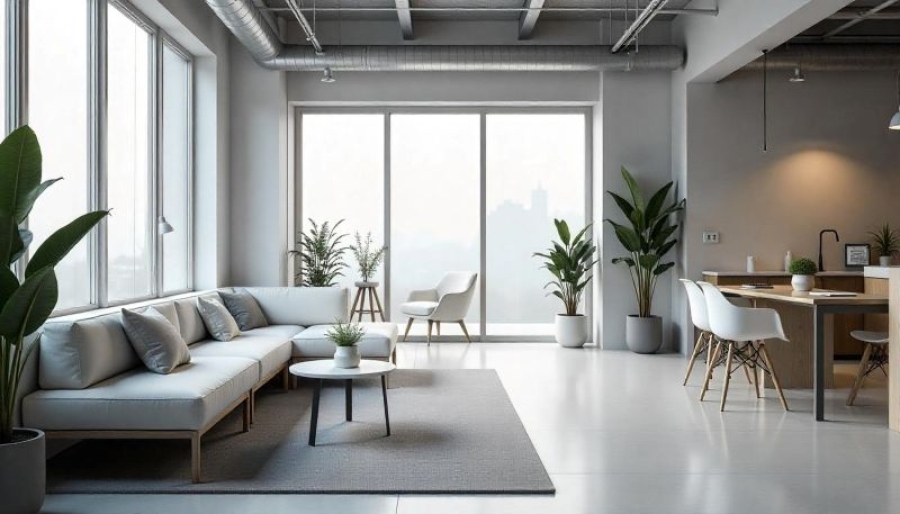
Modern architecture is constantly evolving with innovative materials and technologies designed to improve comfort, privacy, and energy efficiency. One of the most exciting developments in building design is smart glass, also known as switchable or dynamic glass. If you are exploring solutions like smart window, understanding how this technology works and the benefits it offers can help you transform your living or working space.
What Is a Smart Window?
A smart window is a type of glass that can change its transparency or tint in response to electricity, light, or temperature. This allows the glass to shift between clear and opaque states depending on the user’s needs.
For example, when activated, smart glass can become transparent to allow light and visibility. When switched off or adjusted, it can turn frosted or opaque to provide privacy.
Many smart windows use advanced technologies such as Polymer Dispersed Liquid Crystal (PDLC) or electrochromic systems. These technologies align microscopic particles within the glass when electricity flows through them, allowing light to pass through. When the current stops, the particles scatter light, creating a frosted effect.
This transformation can happen almost instantly and can be controlled through switches, remote controls, or smart home systems.
Key Benefits of Smart Windows
Smart windows offer several advantages that make them popular in modern homes, offices, and commercial spaces.
1. Instant Privacy
One of the main benefits of smart glass is privacy on demand. With a simple switch, the glass can turn opaque, eliminating the need for curtains or blinds.
2. Energy Efficiency
Smart windows help regulate sunlight and heat entering a building. By controlling light transmission, they can reduce the need for air conditioning and improve energy efficiency.
3. UV and Heat Protection
Many smart glass solutions block harmful ultraviolet rays and reduce glare, creating a more comfortable indoor environment.
4. Modern Aesthetic Design
Smart windows create a sleek, minimalist look because they remove the need for traditional window coverings. This makes them popular in contemporary architectural designs.
5. Flexible Applications
Smart glass can be installed in many areas, including office partitions, conference rooms, residential windows, and healthcare facilities.
Applications of Smart Glass
Smart windows are widely used in both residential and commercial environments.
In homes, they are commonly installed in living rooms, bathrooms, and balconies to improve privacy and control natural light. In offices, smart glass is often used for meeting rooms and partitions, allowing spaces to switch between open and private layouts instantly.
Hospitals and medical facilities also use smart glass to replace traditional curtains, reducing dust and improving hygiene.
Retail stores and commercial buildings may also use smart glass as interactive display surfaces or projection screens for advertisements.
Smart Glass in Modern Buildings
With increasing focus on sustainability and energy efficiency, smart windows are becoming an important part of modern building design. These technologies help reduce energy consumption by controlling heat and sunlight entering a space.
Smart glass film can also be applied to existing windows, making it possible to upgrade traditional glass surfaces without replacing the entire window structure.
Companies like Magic Glass Singapore provide switchable smart glass solutions that transform ordinary glass surfaces into dynamic privacy panels for homes, offices, and commercial spaces.
Final Words
Smart windows represent the future of architectural design by combining technology, comfort, and sustainability. With features such as instant privacy, improved energy efficiency, and modern aesthetics, smart glass is becoming an increasingly popular solution in both residential and commercial buildings.
As demand for smarter living spaces grows, smart window technology will continue to play an important role in shaping the way we design and interact with modern environments.