





Few home components carry as much financial weight as the HVAC system, yet it is easy to overlook because it does its job in the background. When it is running well, you barely think about it. When it is not, it shows up fast in higher energy bills, uneven temperatures, noisy operation, and that lingering worry that something bigger is about to break. In real estate, those details matter because comfort and cost are part of the story every buyer and seller is evaluating.
For buyers, an aging or unreliable system can mean unexpected repair costs within months of closing. For sellers, HVAC condition often shapes how appraisers, inspectors, and prospective buyers perceive the property. In both cases, home resale value is tied more closely to heating and cooling infrastructure than many people realize.
How Long HVAC Systems Actually Last
Most HVAC systems last between 15 and 20 years, though the specific components vary quite a bit. A well-maintained furnace can push toward 20 to 25 years, while air conditioner units and heat pumps tend to fall in the 10 to 15 year range.
As systems age past those benchmarks, the signs become hard to ignore. Energy efficiency drops steadily, repair calls grow more frequent, and utility bills creep upward season after season. According to Energy Star's replacement guidelines, older equipment often fails to meet current efficiency standards, making replacement a smarter long-term investment.
That HVAC system age matters beyond comfort, too. When a home hits the market with equipment nearing end of life, it becomes a negotiation factor for everyone involved. Buyers see risk, sellers face pressure, and the system's condition can shift the entire tone of a transaction before the inspection report even lands on the table.
What Buyers Should Check Before Closing
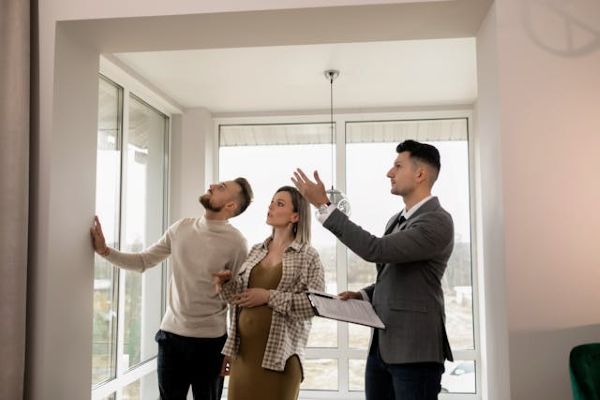
The Home Inspection Is Not Enough
A standard home inspection covers HVAC at a surface level. The inspector will confirm the system turns on, check the thermostat, and note the unit's visible condition. That overview, however, misses the problems that actually cost money.
A professional HVAC inspection goes deeper. A licensed technician can detect refrigerant leaks, identify heat exchanger cracks, and evaluate airflow performance across the entire system. These are the kinds of issues that lead to four-figure repair bills within the first year of ownership.
Buyers who rely solely on a general home inspection checklist often miss these details entirely. Scheduling a dedicated HVAC evaluation through a qualified contractor, such as when buyers visit Island Breeze Air Conditioning & Heating for a standalone assessment, is one of the most practical steps a buyer can take before closing.
Records, Age, and Red Flags
Beyond the inspection itself, buyers should request maintenance records from the seller. Consistent servicing suggests the system has been cared for, while gaps in documentation raise questions about long-term reliability.
The HVAC system age can also be confirmed by checking the serial number on the outdoor or indoor unit. Most manufacturers encode the manufacture date into that number, and a quick search can reveal exactly how old the equipment really is.
Ductwork condition deserves attention, too. Leaky or poorly insulated ducts can waste 20 to 30 percent of conditioned air, quietly inflating energy costs from day one. Having a local technician assess duct integrity before finalizing a purchase can prevent unpleasant surprises after move-in.
If the system is near or past its expected lifespan, that finding strengthens the buyer's position at the negotiating table. Buyer negotiation options include requesting repair credits, factoring in replacement cost, or securing a home warranty as part of the closing terms.
When HVAC Condition Affects Your Loan
Not every buyer pays cash, and the type of financing involved can turn an HVAC problem into a deal-breaker. Government-backed mortgages carry property standards that go beyond what a conventional loan requires.
FHA loan and VA loan programs both mandate that the home meet minimum habitability requirements. A functional heating system is one of them. If the HVAC system is non-operational or severely deteriorated at the time of appraisal, the lender can delay or outright deny loan approval until the issue is resolved.
Consider a scenario where a buyer's FHA appraisal flags a non-operational furnace. The loan cannot proceed until the seller either repairs the system or the buyer secures alternative financing. That single issue can stall a transaction for weeks.
This requirement puts pressure on both sides of the transaction. Sellers who list a home with a known HVAC deficiency risk losing qualified buyers mid-process. Buyers, meanwhile, gain a strong basis for requesting repairs or credits before closing can move forward.
The financial stakes add up quickly. Replacement cost for a full HVAC system typically ranges from $5,000 to $12,000 or more, depending on equipment type, home size, and regional labor rates. For sellers, addressing the problem early often costs less than the concessions and delays that follow when it surfaces during underwriting. With that in mind, proactive preparation becomes even more valuable.
What Sellers Can Do Before Listing
Sellers carry their own set of responsibilities when it comes to HVAC condition. Understanding what must be disclosed and what can be improved gives sellers control over how their property is perceived.
Disclosure Obligations and Repairs
Most states require sellers to disclose known defects, and HVAC problems fall squarely within that obligation. A cracked heat exchanger, failing compressor, or persistent refrigerant leak that the seller knows about must typically appear on the seller disclosure form.
Skipping that step does not make the problem disappear. Instead, it creates post-sale legal liability. If a buyer discovers an undisclosed defect after closing, the seller could face repair demands, mediation, or even litigation.
A pre-listing HVAC inspection gives sellers control over the narrative. Rather than waiting for a buyer's inspector to flag an issue, sellers can identify problems early, decide whether to repair or adjust the price, and present the home with transparency that builds trust.
Even when the system is in solid shape, small investments go a long way toward signaling a well-maintained property:
• Replacing filters
• Cleaning ductwork
• Compiling organized maintenance records
• Installing a smart thermostat
These actions show prospective buyers that the home has been cared for, not just lived in.
For sellers looking to increase your home's value, targeted HVAC upgrades can deliver strong returns. Installing an energy-efficient system appeals directly to buyers who prioritize lower utility costs and modern home features.
These improvements do not need to be expensive to be effective. A newer, efficient unit paired with clean documentation of regular servicing positions the home as move-in ready, which often translates to stronger offers and fewer concessions during negotiation.
HVAC Is Part of the Deal, Not an Afterthought
A reliable HVAC system benefits everyone at the closing table. For buyers, thorough due diligence on heating and cooling equipment protects against surprise costs and strengthens their negotiating position when problems surface.
For sellers, addressing HVAC concerns before listing removes obstacles that slow deals down and helps support the asking price with confidence.
The condition of this single system can shape timelines, appraisals, and final sale terms. Treating it as a priority rather than a last-minute checkbox is one of the simplest ways to protect home resale value on both sides of the transaction.