Real estate development is a complex process with many moving parts. From purchasing land to completing construction, each stage must be carefully planned and executed. One of the most important factors in keeping projects on schedule is the availability and performance of heavy equipment. Excavators, bulldozers, loaders, and cranes aren't just tools; they're essential drivers of progress. When equipment is reliable and properly matched to the project at hand, development timelines can move forward smoothly. Otherwise, delays and unexpected expenses can quickly add up.
Early in a project, developers often work closely with suppliers, such as a local Komatsu dealer, to secure the machinery they need for site preparation and groundwork. While the specific brand may vary depending on preference and availability, the key point is that access to dependable equipment at the right time plays a major role in meeting deadlines. Without it, even the most well-planned projects can fall behind schedule.
The Site Preparation Phase
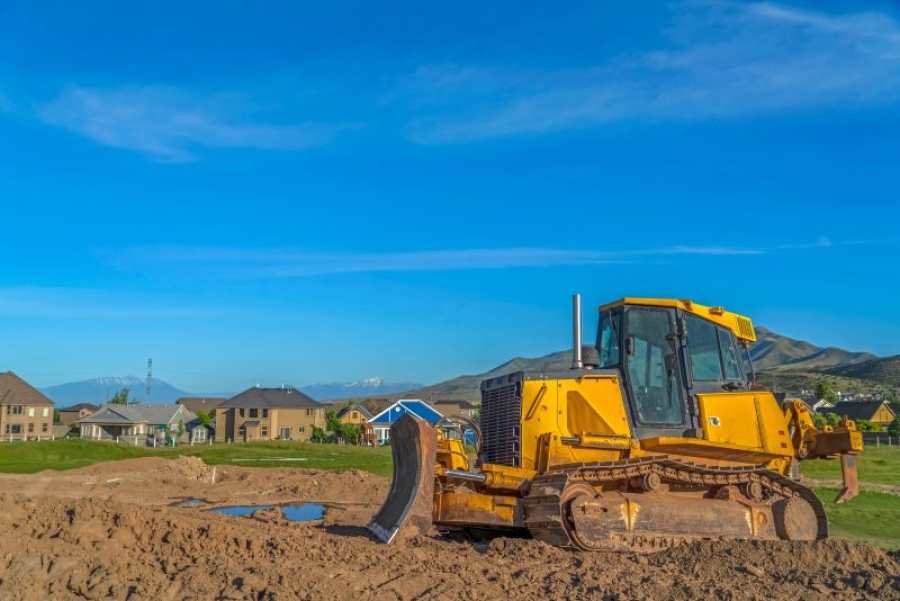
Before building can begin, land must be cleared, graded, and prepared. This stage typically involves removing trees, leveling uneven ground, and sometimes breaking up existing concrete or rock to name a few of the possibilities. Heavy equipment like bulldozers and excavators perform these tasks far more efficiently than manual labor ever could.
Time saved during site preparation directly affects the overall timeline of a project. If grading takes longer than expected due to equipment breakdowns or insufficient machinery, every subsequent phase is pushed back. That can create a chain reaction of scheduling conflicts with contractors, inspectors, and material deliveries. Having the right equipment available, and enough of it, ensures early milestones are effectively met. When the groundwork is completed on time, construction teams can move forward without unnecessary delays.
Foundation and Structural Work
Once the land is prepared, the next step often involves digging foundations and setting structural supports. This phase requires precision and power. Heavy equipment makes it possible to complete these tasks both safely and efficiently. Modern machines are designed with improved controls and safety features, which reduces the risk of accidents that could hamper progress. Efficient lifting and placement also minimize downtime between stages of construction.
In large-scale developments, multiple crews may work simultaneously. Coordinating heavy equipment use becomes critical here. If one crew has to wait for machinery to become available, that can offset the entire timeline. Proper planning and reliable equipment help prevent these bottlenecks.
Weather and Environmental Factors
Real estate development often depends largely on the weather. Rain, snow, and extreme weather events can already cause unavoidable delays. Reliable heavy equipment helps offset those challenges with effectiveness and efficiency. For example, if a site has only a few dry days to complete grading before rain sets in, high-performance equipment can accomplish more work in less time. It can also help crews catch up after weather-related delays. On the other hand, outdated or underpowered machinery may struggle, which could extend the timeline and increase labor costs.
In some areas, environmental factors also require extensive consideration. Specialized equipment can help meet those standards without slowing progress. When machines are well-maintained and suited to the project, developers can meet both regulatory requirements and construction deadlines.
Planning and Logistics
Successful real estate development depends on careful planning. Equipment needs must be identified early, scheduled properly, and met consistently throughout a project. Developers who prioritize equipment logistics are better prepared to handle unexpected challenges. That includes ensuring backup options are available if a machine breaks down and coordinating delivery schedules, so equipment arrives when it's needed. Clear communication between developers, contractors, and equipment suppliers keeps projects moving forward.
Keeping Real Estate Development Projects on Track
Heavy equipment plays a crucial role in shaping real estate development timelines. From site preparation to final structural work, reliable machinery provides efficiency, safety, and productivity. When developers plan carefully and secure the right equipment at the right times, they reduce delays and control costs. In an industry where timing directly affects profitability, heavy equipment isn't just helpful; it's essential.