




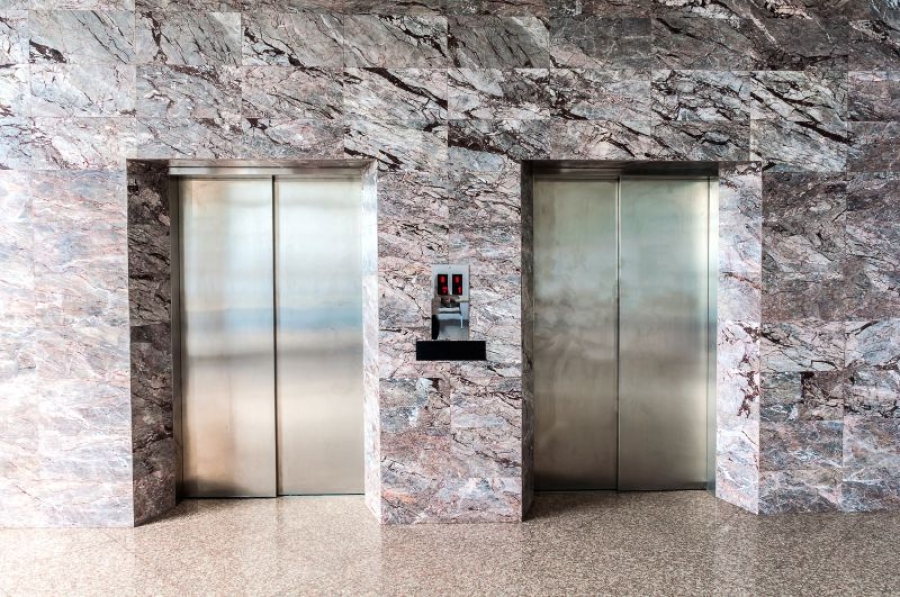
Elevators are a critical amenity in small apartment buildings, providing convenience, accessibility, and safety for residents. Whether serving elderly tenants, families with children, or people carrying groceries and luggage, a well-functioning elevator makes daily life easier. However, many small property owners and building managers overlook the importance of regular elevator maintenance, often focusing only on repairs when something breaks. Proactive care not only reduces downtime and costly emergencies but also ensures compliance with safety regulations and extends the life of the system. Here are essential elevator maintenance tips specifically tailored for small apartment buildings.
1. Schedule Regular Professional Inspections
One of the most important steps in maintaining an elevator is arranging routine professional inspections. Licensed technicians can identify early signs of wear, misalignment, or electrical problems before they become serious hazards. Most experts recommend monthly or quarterly inspections, depending on the age, usage, and type of elevator. These checkups should include testing safety mechanisms, inspecting cables, lubricating moving parts, and evaluating control systems. Regular inspections reduce the likelihood of sudden breakdowns and help maintain safe operation for residents.
2. Keep a Maintenance Log
Maintaining a detailed log of inspections, repairs, and service calls is an often-overlooked but crucial practice. A maintenance log helps building managers track recurring issues, monitor repair frequency, and anticipate future expenses. It also provides documentation for regulatory compliance and can be useful during audits or insurance claims. Recording even minor issues ensures nothing slips through the cracks, contributing to a safer and more reliable elevator system.
3. Train Staff and Residents on Proper Use
Misuse is a common cause of elevator malfunctions, especially in residential buildings. Building staff should be trained to recognize early warning signs, such as unusual noises, vibrations, or inconsistent door operation. They should also know how to respond to emergencies, including safely assisting passengers during a stoppage. Residents, on the other hand, should be educated about proper usage, such as avoiding overloading, preventing door obstruction, and reporting problems promptly. Simple signage inside and near the elevator can reinforce these best practices.
4. Monitor Key Mechanical and Electrical Parts
Understanding the role of critical elevator components can help building managers stay alert to potential issues. From door operators and cables to control panels and braking systems, each part plays a vital role in overall performance. Even minor malfunctions in these areas can lead to significant safety concerns if ignored. Regular visual checks and prompt attention to strange sounds, jerky movements, or delayed responses can prevent minor problems from escalating into major repairs.
5. Prioritize Door System Maintenance
Elevator doors are among the most frequently used and stressed parts of the system. In residential buildings, doors open and close hundreds of times each day, making them prone to wear and misalignment. Dirty tracks, damaged sensors, and faulty rollers can cause delays, safety risks, and user frustration. Routine cleaning, lubrication, and alignment checks can significantly improve door performance and reduce service interruptions.
6. Ensure Compliance with Local Safety Regulations
Elevator maintenance is governed by strict safety standards and regulations, which can vary by location. Building owners should familiarize themselves with local requirements for inspections, certifications, and safety upgrades. Non-compliance can lead to fines, liability risks, and potential shutdowns. Working with a reputable maintenance provider who understands regional regulations helps ensure that your building remains compliant and safe for all occupants.
7. Plan Preventive Maintenance, Not Just Repairs
Reactive maintenance, fixing issues only when something breaks, often leads to higher long-term costs and more frequent downtime. Preventive maintenance focuses on identifying and addressing potential problems before they cause disruptions. This approach includes scheduled lubrication, part replacements, software updates, and safety tests. While preventive maintenance may seem like an added expense, it typically results in lower repair costs, fewer service interruptions, and a longer lifespan for the elevator system.
8. Budget for Long-Term Upgrades
Even with excellent maintenance, elevators eventually require modernization. Components wear out, technology becomes outdated, and safety standards evolve. Setting aside a budget for gradual upgrades ensures that building owners are financially prepared when the time comes to replace critical systems or install energy-efficient features. Upgrades can improve reliability, enhance passenger comfort, reduce energy consumption, and increase overall property value.
9. Choose a Reliable Maintenance Partner
Selecting the right service provider is essential for effective elevator maintenance. Look for a company with a strong reputation, transparent pricing, and responsive customer service. A reliable partner will offer customized maintenance plans tailored to the size and usage of your building. They should also provide emergency support, clear reporting, and proactive recommendations for system improvements.
10. Respond Quickly to Issues
No matter how thorough your maintenance program is, problems can still arise. Quick response is critical to minimizing inconvenience and safety risks. Encourage residents to report any unusual behavior immediately, and ensure that service requests are handled promptly. Fast action prevents small issues from escalating and demonstrates your commitment to resident safety and comfort.
Final Thoughts
Maintaining an elevator in a small apartment building may seem complex, but with a proactive strategy, it becomes manageable and cost-effective. Regular inspections, proper usage education, preventive maintenance, and long-term planning all contribute to a safer and more reliable system. By prioritizing these practices, building owners and managers can enhance resident satisfaction, reduce unexpected expenses, and ensure smooth daily operations. A well-maintained elevator is more than a convenience; it’s a vital investment in safety, efficiency, and long-term property value.