




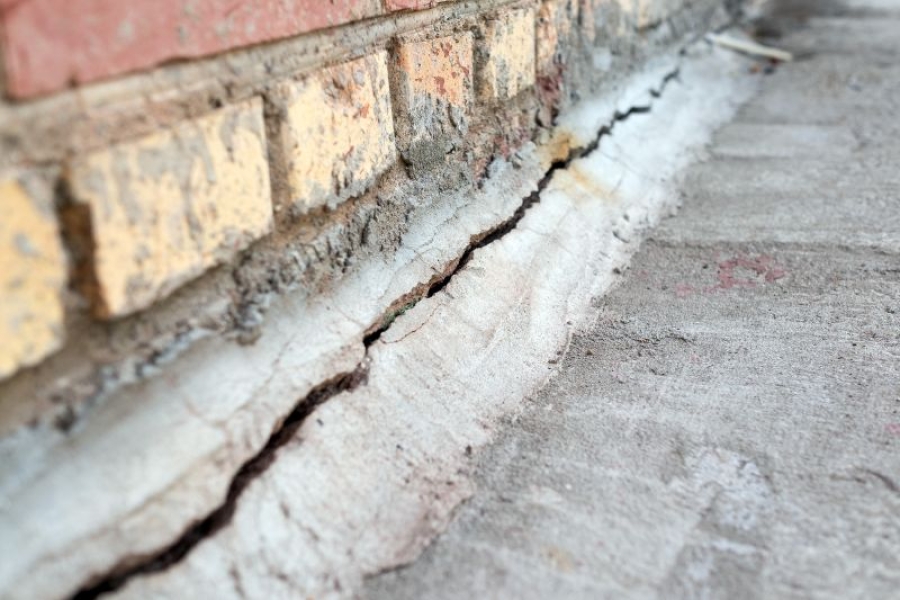
The prospect of purchasing a home is often accompanied by a mix of excitement and trepidation. When a home inspection report highlights foundation problems, that trepidation can quickly turn into a desire to walk away from the deal. However, foundation issues are common in the real estate market and do not always signify a structural catastrophe. Understanding the difference between cosmetic settling and significant foundation damage is essential for any prospective homeowner.
The Reality of Foundation Settlement
Every house undergoes some degree of foundation settlement. This occurs as the weight of the structure compresses the soil beneath it. If the settlement is uniform, it rarely causes structural distress. The primary concern for buyers is differential settlement, which happens when one part of the home sinks faster or deeper than another. This uneven movement puts immense stress on the home’s framework, leading to visible signs of distress in the walls, floors, and ceilings.
Common indicators of foundation settlement include:
• Doors and windows that stick or refuse to latch properly.
• Gaps between the wall and the ceiling or floor.
• Sloping or uneven flooring.
• Visible cracks in the exterior brickwork or interior drywall.
Identifying Different Types of Foundation Cracks
Not all foundation cracks are created equal. In fact, many small hairline cracks are simply the result of concrete shrinkage as it cures. To determine the severity of foundation damage, one must look at the direction and width of the fissures.
Vertical cracks are often the least concerning, as they frequently result from the natural expansion and contraction of the concrete. Conversely, horizontal cracks are a major red flag. These often indicate that hydrostatic pressure from the outside soil is pushing against the foundation walls, which can lead to a complete structural failure if left unaddressed. Diagonal cracks, particularly those that are wider at the top than the bottom, suggest that one side of the foundation is dropping, a classic sign of soil movement.
The Role of Soil Movement and Drainage
The health of a residential foundation is inextricably linked to the soil it sits upon. Many regions struggle with expansive clay soils, which act like a sponge. When these soils become wet, they swell and exert upward pressure on the slab or crawlspace. When they dry out during a drought, they shrink, leaving voids that cause the foundation to drop.
Proper water management is the most effective way to prevent these shifts. Many foundation problems are actually symptoms of underlying drainage issues. If a home lacks a functional gutter system or if the landscape is graded toward the house rather than away from it, water will pool around the perimeter. This saturates the soil and softens the support structure of the home. Ensuring that downspouts discharge water several feet away from the exterior walls can often mitigate further movement before it requires extensive intervention.
Navigating Repairs During the Buying Process
When a buyer encounters a home with significant issues, the first step is typically to consult with a structural engineer rather than a general contractor. An engineer provides an unbiased assessment of the structural integrity without a vested interest in selling a specific repair service. If the report indicates that intervention is necessary, the next step involves gathering estimates for residential foundation repair to understand the financial scope of the project.
In regions with complex soil compositions, such as LA, the expertise required to stabilize a home can be quite specific. Homeowners often look for local foundation repair contractors in Los Angeles to identify professionals familiar with the seismic and soil conditions of the area. Sunshine Foundation Repairs is one such company that operates within this specialized market. Understanding the methodologies used by these professionals, such as underpinning with piers or slab leveling, allows a buyer to negotiate the purchase price with a clear understanding of the future costs involved.
Evaluating the Long-Term Investment
Buying a house with foundation issues is a calculated risk. If the damage is the result of poor drainage that can be easily fixed, the home may actually be a bargain. If the house requires deep hydraulic piers to reach stable bedrock, the cost can be substantial, often ranging from ten thousand to fifty thousand dollars or more depending on the size of the structure.
A buyer should consider the following factors before finalizing the purchase:
• The Age of the Home: Older homes have had more time to settle. New cracks in an old home may be more concerning than old cracks in an old home.
• The Severity of Movement: A quarter-inch crack is a maintenance item; a one-inch gap is a structural emergency.
• The Cost of Prevention: Is the fix as simple as installing new gutters, or does it require excavation?
Conclusion on Structural Integrity
Foundation issues are not an automatic reason to cancel a contract, but they do require due diligence. By focusing on the cause of the movement (whether it is soil movement, drainage issues, or poor original construction) a buyer can make an informed decision. While the word "foundation" carries a heavy weight in real estate, most problems have a localized, permanent solution. As long as the buyer accounts for the repair costs during negotiations and verifies the work with qualified professionals, a home with a history of settling can still be a sound long-term investment.