




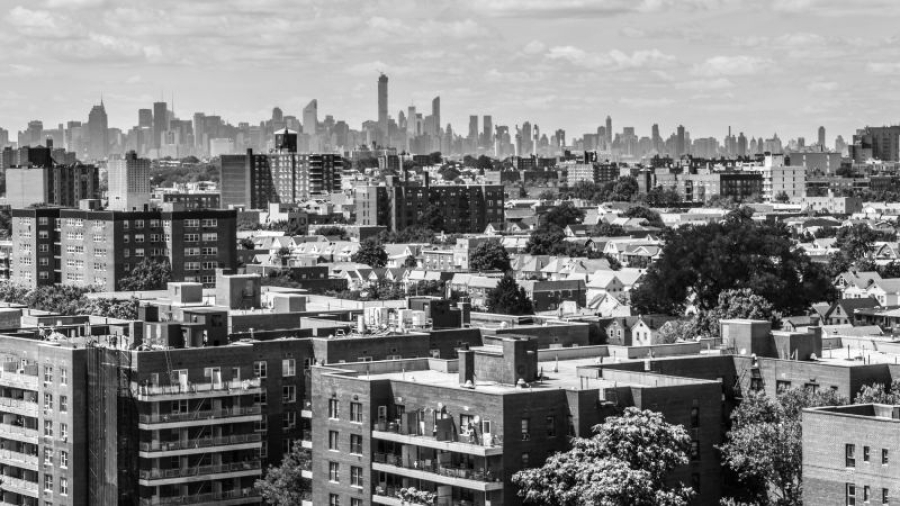
Living in a massive metropolis requires a constant awareness of the environment and the people moving through it. Every neighborhood has its own unique energy and reputation that can shift from one block to the next. Finding a place that feels like home often means digging deeper than just looking at the price of rent.
Real security comes from having a clear picture of the actual trends happening on the ground rather than relying on outdated stories. The city is a living organism that constantly changes as new residents move in and infrastructure gets updated. Most people want to know their daily commute won't be interrupted by avoidable risks.
Many newcomers often ask is the Bronx dangerous when they see headlines that focus only on the most dramatic incidents. A data driven look at the statistics reveals a much more nuanced reality where safety depends heavily on specific streets. Looking at the numbers helps separate myths from the actual experience of living in the city.
Decoding the Precinct Statistics
Comparing different precincts across the city shows that crime is not distributed evenly across any single borough. High activity commercial hubs often show higher numbers of property crimes simply because there are more people and opportunities present during the day. Residential pockets usually maintain a much quieter profile with fewer reported incidents of serious violence or theft.
The most accurate way to judge a neighborhood is to look at the per capita crime rate over several years. This data provides a baseline that smooths out the occasional spike in activity that might skew a short term report. It also helps to distinguish between crimes that target specific individuals and those that affect the general public at large.
Many of the safest areas in the city are found in the outer reaches of Queens and Brooklyn where the pace of life is slower. These neighborhoods benefit from long term residents who keep a close eye on their surroundings and report suspicious activity quickly. This collective vigilance creates an environment where crime struggles to take root or expand.
The Physical Dangers of the Pavement
For many residents, the biggest threat to their safety isn't crime but the chaotic nature of the city streets. Traffic accidents involving pedestrians and cyclists are a major concern in areas with high vehicle density and narrow sidewalks. Certain intersections have earned a reputation for being particularly hazardous due to poor lighting or confusing signals.
Safety metrics also track the frequency of speeding and distracted driving in residential zones where children are likely to be present. The city has implemented several programs to reduce these risks by adding bike lanes and widening pedestrian crossings in high traffic areas. These physical changes to the landscape are designed to force drivers to slow down.
Manhattan often sees the highest number of these incidents because of the constant interaction between tourists and commercial vehicles. In contrast, parts of the outer boroughs with more modern street designs offer a much safer environment for those who prefer to travel on foot. Choosing a home near a well designed park or a quiet cul-de-sac significantly reduces daily risk.
A Shift in the Urban Landscape
Neighborhoods that were once considered high risk are undergoing a massive transformation as community groups take charge of their local environment. Urban renewal projects are replacing vacant lots with community gardens and well lit public spaces that encourage positive social interaction. These changes have a direct impact on the overall feeling of security for the people who live there.
Investment in local schools and youth programs also plays a vital role in reducing the underlying causes of crime in the city. When young people have access to mentors and productive activities, the entire community becomes more stable and resilient. It is a long term strategy that yields significant results over the course of a single generation.
This evolution is visible in many parts of the city where historical reputation has not yet caught up with current reality. Residents often report that the sense of community is stronger than ever as neighbors work together on beautification projects. The physical appearance of a street often dictates how both residents and visitors behave while they are there.
The Architecture of a Secure Block
The physical layout of a street can actually influence the likelihood of criminal activity occurring in that specific location. Blocks with plenty of "eyes on the street" from storefronts and apartment windows tend to be much safer than those with blank walls. Good lighting and clear sightlines are essential for making a space feel open and inviting.
Security also depends on the presence of active transit hubs and well maintained public infrastructure that keeps the area populated throughout the day. When a street is busy with people going about their business, there is less opportunity for illicit behavior to go unnoticed. It is a natural form of surveillance that doesn't require cameras or guards.
Many people find peace of mind by choosing buildings with 24-hour staff or secure entry systems that provide an extra layer of protection. These features are particularly popular in high density areas where the volume of foot traffic is constant. Knowing that there is a physical barrier between the home and the street provides a significant comfort.
Conclusion
Deciphering the neighborhood trends of the city is the only way to find true peace of mind in a crowded urban environment. It requires a willingness to look past the surface and understand the data that drives local safety patterns. Every borough has its sanctuary for those who know where to look and what to prioritize.
While no city is completely free of risk, the five boroughs offer a variety of lifestyles that cater to different levels of comfort. The key is to stay informed and engaged with the local community to understand the shifts as they happen. Safety is a collaborative effort that involves everyone from the police to the local shopkeeper.
Choosing a neighborhood is a personal journey that involves balancing convenience with the need for a secure home base. By focusing on the numbers and the physical reality of the streets, residents can make choices that protect their well-being. The city remains a place of endless possibility for those who navigate it with wisdom.