




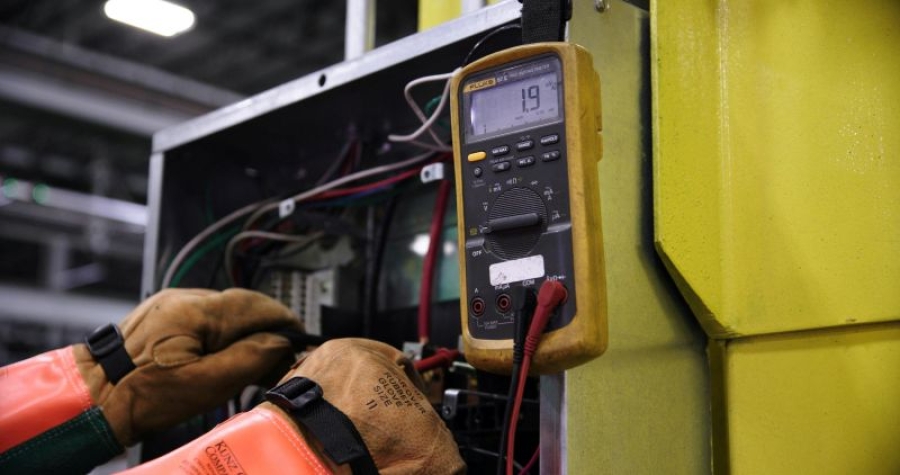
If you notice your lights dimming when your microwave comes on, your breakers trip frequently, or you’re considering putting in an electric vehicle (EV) charger or a heat pump, you’re probably asking yourself one big question, ‘Should I fix whatever is wrong, or should I rewire my house?’ What is the right answer? It depends on safety, age, amperage (or capacity) and what you want your home to handle in the future. Before you jump right to cost, there is a logical decision-making process to help you make a more informed decision.
Start With Safety
The first factor to consider in this decision-making process is safety. You want to consider this before you consider upgrading. Electrical problems are an area where ‘good enough’ can become expensive and even dangerous over time.
Some obvious warning signs of dangerous or unsafe electric systems include burning odors, buzzing noises coming from your electrical panel, warm outlets, or breakers that won’t stay in the ‘on’ position. However, less obvious warning signs are two-prong outlets, reliance on extension cords as an alternate source of power, visibly cloth-insulated wiring, or an old fuse box.
If you’re still unsure if any of the above conditions are serious enough to consider an upgrade, then you should get the opinion of a professional. They may suggest electrical rewiring if there are signs your home needs it.
Patchwork solutions may provide a little comfort while you deal with extensive safety and economic issues associated with electrical systems.
Consider System Age
Older residential electrical systems were not engineered to handle modern electrical demands. Many homes built prior to the 1960’s contained ungrounded wires. Many properties built in the 1960's and 1970's had aluminum branch wiring that needed unique installation techniques. Also, even though older fuse panels may have previously operated normally, they are not capable of providing adequate power.
While everything may technically still function, the wiring in your home was never made with construction that accommodates home office loads, high-capacity HVAC systems, and other high-demand electrical devices .
If your electrical system is 40 to 60 years old, it is most appropriate to begin a full or partial rewire of your home.
Evaluate Your Future Power Requirements
Recent changes in technology have altered how much energy you need from electricity. For instance, if you install an electric vehicle charging unit at your home, this might add enough load to cause problems with the current configuration of your electrical panel. Many times, an electrician can solve the issue by replacing your current electrical panel. For example, you can replace a 100 amp electrical panel with a 200 amp electrical panel. Sometimes, the electrician will also inspect the wiring underneath the walls and find out if you have improperly sized wires or out-of-date electrical connections and other conditions that would warrant re-wiring the house.
When Partial Rewiring Makes Sense
There can be a few areas of your home which are outdated, including a finished attic, an addition to the house that was built long ago, or a renovated kitchen. You can tell when you are renovating an area in your home that wiring was done differently than the rest of the home. When you are redoing that part of your home, it is generally a good idea to rewire while you have the walls open up.
Another reason to consider partial rewiring is in order to install a new dedicated circuit for an appliance, such as an HVAC system without having to re-wire your entire house.
When Full Rewiring Is Beneficial
Full rewiring is worth it when most of the wiring in your home is outdated, ungrounded, or showing signs of wear. A full house rewire is also a good idea when you drastically renovate your home because the walls are already opened up.
The initial costs may seem like a high upfront investment to you. However, considering all of the long term benefits of improved safety, improved resale value, ease of future repairs, and diminished number of calls for service, full rewiring is the better investment of your money over the long term.
If you plan on living in the home for several years, you're much better off investing once instead of repeatedly patching issues.
Matching the Fix to the System’s Condition
The decision between repairing and rewiring is not a question of cost or size. It is a matter of matching the solution to the condition of the system and to your future needs. If you have a modern electrical system and the problems are contained within a particular area, targeted repairs may be sufficient.
However, if your electrical system is old and has either exceeded its capacity or cannot support future upgrades, the only proper solution is to completely rewire your home. Doing so not only protects your investment but also provides safety for you and your family.