




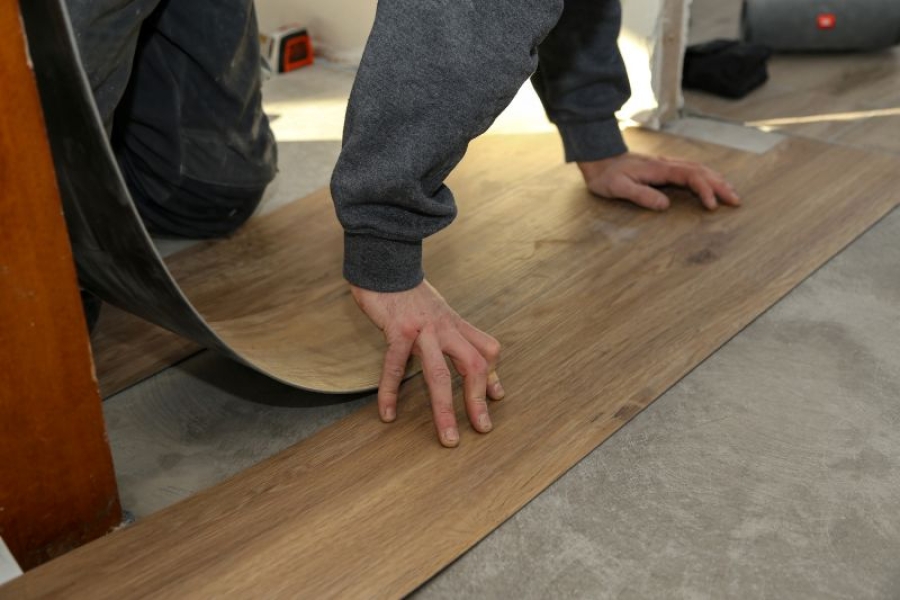
Choosing the right flooring material can greatly affect the comfort, durability, and style of a space. Among the many options available, Vinyl Floor Tiles have become a popular choice for both residential and commercial areas. They offer a practical balance of affordability, resilience, and aesthetic variety.
Understanding Vinyl Floor Tiles
Vinyl tiles are crafted from layers of synthetic materials, usually combining polyvinyl chloride with stabilizers and pigments. This layered structure makes them durable, flexible, and resistant to moisture. They are available in various designs, including those that mimic natural stone, ceramic, or wood finishes.
Main Advantages
Durability and Longevity
Vinyl flooring is known for its ability to withstand heavy traffic and daily wear. Unlike some natural materials, it resists scratches and dents, making it suitable for hallways, kitchens, and living areas.
Ease of Maintenance
Cleaning vinyl floors is simple. Regular sweeping and occasional mopping keep them looking fresh. The surface resists stains and moisture, which helps maintain hygiene and reduces maintenance costs over time.
Aesthetic Variety
One of the greatest advantages of vinyl tiles is their wide range of styles and patterns. Many designs replicate the appearance of wood planks, marble, or slate at a fraction of the cost. This versatility allows homeowners to achieve a high-end look without extensive renovation.
Comfort and Sound Absorption
Vinyl has a softer underfoot feel compared to harder surfaces like ceramic or stone. It also provides some sound insulation, helping to reduce noise in busy households or offices.
Affordability
Cost efficiency is a major reason for the growing popularity of vinyl flooring. Installation is straightforward, and the product itself is generally more budget-friendly than many natural materials. This makes it an accessible choice for large spaces or renovation projects with limited budgets.
Potential Drawbacks
Environmental Impact
While many manufacturers are improving sustainability practices, vinyl production still relies on synthetic materials. Disposal can also pose challenges since it is not always easily recyclable compared to natural flooring options.
Susceptibility to Damage from Sharp Objects
Although durable, vinyl can be punctured by heavy or sharp objects. Moving furniture without protective pads or dropping sharp tools may leave marks that are difficult to repair without replacing individual tiles.
Color Fading and Temperature Sensitivity
Prolonged exposure to direct sunlight can cause fading or discoloration. Extreme temperature changes may also affect the adhesive or cause expansion and contraction. Homes with proper insulation tend to experience more stable indoor temperatures, which can help preserve flooring materials over time. For this reason, vinyl tiles are not ideal for outdoor use or unheated areas.
Subfloor Preparation Requirements
For a clean and even finish, the subfloor must be properly prepared before installation. Any bumps, cracks, or moisture issues can affect the final appearance and longevity of the tiles.
Balancing Pros and Cons for Your Space
When weighing the advantages and disadvantages, it is clear that vinyl flooring offers a strong combination of practicality and style. Its resilience, design options, and affordability make it appealing for many environments. However, understanding its limitations ensures better results and long-term satisfaction with the chosen flooring solution.
Ultimately, Vinyl Floor Tiles provide a balanced choice for those seeking a durable and attractive surface that fits both functional and aesthetic needs.