




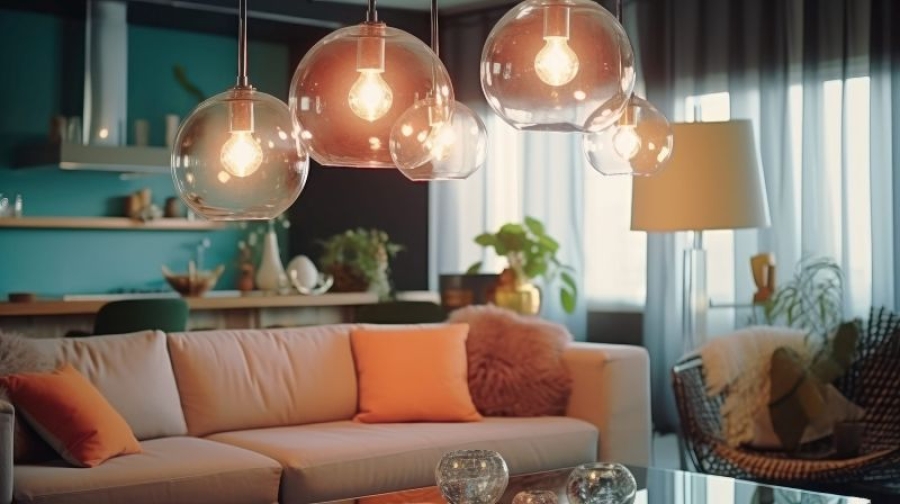
When designing the lighting for your home, the variety of options can feel overwhelming. Understanding the types of lighting and their specific functions can help you create a comfortable and well-lit space.
In this guide, we’ll explore the different types of lighting available and how each one can be used to enhance your home’s atmosphere.
What Are the Different Types of Lighting?
Lighting in your home can be broken down into several main categories, each serving a unique purpose. Let’s take a look at the types of lights for the home and where they work best based on Parker Electric.
1. Ambient Lighting: The Foundation of Your Space
Ambient lighting is the main source of light in any room. It provides general illumination and ensures that the entire space is visible and easy to navigate. This type of lighting sets the tone for the room and is usually soft and diffused to avoid harsh shadows.
Where to use it:
• Living rooms
• Bedrooms
• Hallways
Examples:
• Ceiling lights
• Chandeliers
• Flush mounts
2. Task Lighting: Bright and Focused
As the name suggests, task lighting is designed to help with specific activities, such as reading, cooking, or working. This type of lighting is brighter and more focused than ambient lighting, ensuring you have enough light to complete your tasks effectively.
Where to use it:
• Kitchen counters
• Reading nooks
• Workspaces
Examples:
• Desk lamps
• Under-cabinet lighting
• Pendant lights
3. Accent Lighting: Highlighting Features
Accent lighting is all about adding drama and drawing attention to particular areas or features in your home. It’s used to highlight artwork, sculptures, or architectural elements like a fireplace or a beautiful wall texture. This type of lighting adds style and depth to any room.
Where to use it:
• Highlighting artwork or sculptures
• Accent walls
• Architectural details
Examples:
• Track lighting
• Wall sconces
• Directional recessed lights
4. Decorative Lighting: Making a Statement
Decorative lighting goes beyond functionality; it’s about style. This type of lighting often serves as a statement piece in a room. Decorative fixtures are often eye-catching and unique, playing a key role in the overall design and vibe of the space.
Where to use it:
• Dining rooms
• Living rooms
• Bedrooms
Examples:
• Stylish chandeliers
• Sculptural table lamps
• Artisan pendant lights
5. Mood Lighting: Creating the Right Atmosphere
Sometimes, you want to set a particular mood or ambiance in a room. Mood lighting allows you to adjust the light’s brightness and color temperature to suit your needs. Whether you want to create a relaxing, calm environment or a more vibrant, energetic space, mood lighting can help.
Where to use it:
• Bedrooms
• Living rooms
• Entertainment areas
Examples:
• Dimmable floor lamps
• Smart bulbs
• LED strips
6. Natural Lighting: Letting the Sun Shine In
Natural lighting uses sunlight to illuminate your space, making it feel more open and inviting. It’s eco-friendly and can even help boost your mood. By incorporating natural light, you can make your home feel brighter and more spacious, without using electricity.
Where to use it:
• Living rooms
• Kitchens
• Bathrooms
Examples:
• Windows
• Skylights
• Glass doors
7. Smart Lighting: Convenient and Energy-Efficient
Smart lighting allows you to control your lights using technology, such as through a smartphone app, voice commands, or even set schedules. This is a great way to save energy and create the perfect atmosphere with just a few taps or commands. Smart lighting can also help automate lighting changes throughout the day.
Where to use it:
• Anywhere in your home for convenience and efficiency
Examples:
• Smart bulbs
• Smart switches
8. LED Lighting: Long-Lasting and Energy-Efficient
LED lighting is one of the most energy-efficient lighting options available today. It produces a lot of light while using very little energy, and it lasts much longer than traditional incandescent bulbs. LED lights are available in various colors and can even be dimmable, making them suitable for any atmosphere.
Where to use it:
• Any room in your home
• Especially in areas where lights are on for extended periods
Examples:
• LED bulbs
• LED strips
• Retrofit LED kits for existing fixtures
How to Use Different Types of Lighting in Your Home
To create a balanced and visually appealing space, layer your lighting by combining different types.
For example, in your living room, you can use ambient lighting from ceiling fixtures, task lighting from floor lamps, and accent lighting to highlight a piece of artwork.
This will help you achieve a well-lit, functional, and stylish room.
Consider versatility as well. Many rooms in your home serve different functions throughout the day.
A bedroom, for example, may need task lighting in the morning while you’re getting ready, but you’ll want mood lighting in the evening to create a relaxing atmosphere.
Having lighting options that are adjustable and versatile will ensure your home is always ready for whatever you need.
Conclusion
Choosing the right types of lighting for your home can greatly impact both the function and the aesthetic of your space.
Whether you're looking to highlight your favorite artwork, create the perfect mood lighting, or bring in more natural light, the right lighting types can make all the difference.