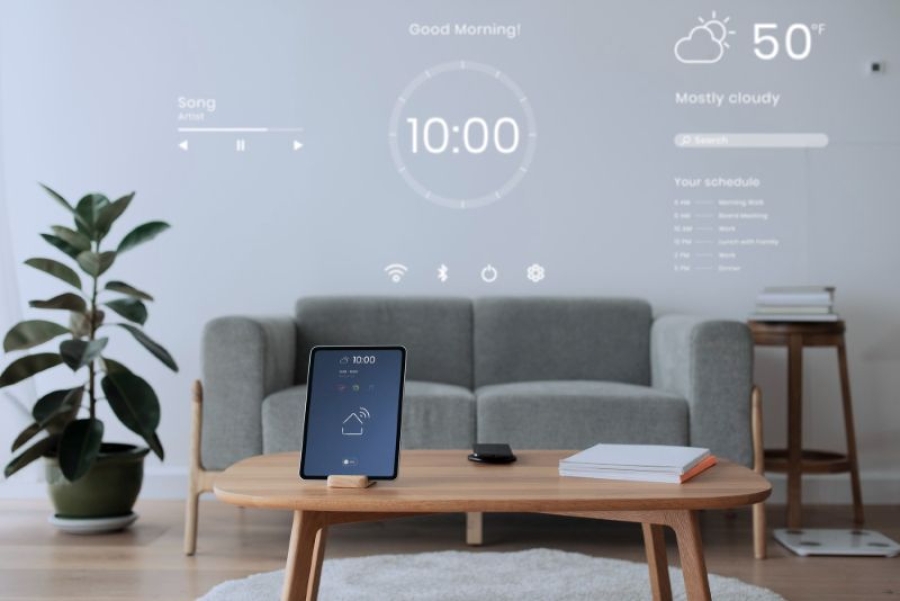
The evolution of modern living continues with the launch of smart spaces. Such environments are responsive to the needs of people by using technology. A lot of homes, offices, and public places now implement intelligent solutions. The aim is to make it more comfortable, efficient, and safer for everyone on the premises. We are evermore used to a certain convenience and flexibility in our lives, and smart spaces enable that.
Defining Smart Spaces
First, it is essential to understand what are smart spaces. A smart space is a physical or virtual environment in which networked devices or systems interact to provide effective, efficient, and personalized services to users. It uses sensors and software in connected devices to collect and analyze data for optimized management. These zones change lighting, temperature, and security based on activity or preferences detected. This integration is intended to save energy and time. A smart space makes life easier by being responsive to its users.
Key Technologies Used
Smart spaces rely on several kinds of technologies. Sensors monitor movement, temperature, humidity, and the degree of brightness in the entire area. Cameras and microphones may supplement feedback for security or automation. Devices connected over wireless networks need not be connected physically with any wires to share information in an instant manner. Artificial intelligence analyzes the aggregated data to make data-driven changes. All these tools are designed to work together to create a responsive environment.
How Smart Spaces Operate
A smart control system holds the foundation of smart spaces. There is a different data collection system in which data is collected from sensors and devices. It uses AI to analyze real-time data to make decisions. This could mean lights that turn on when someone walks into a room. The lights also automatically turn off after a defined period of inactivity to save energy. It can also control heating or cooling to the space, without overconsuming energy.
Customization and User Interaction
Users are a big part of forming their own smart spaces. Individuals can easily set preferences through mobile apps or voice commands. For example, a person might desire low light at night. It recalls and adjusts settings based on the preferences. The software grows accustomed to a specific outcome, and the technology learns habits and what you want to do next. This process of learning ensures that each environment is specific to its users.
Benefits of Smart Spaces
The benefits can be seen in comfort and efficiency. By automating the same repetitive procedures manually, smart spaces remove manual labour. This optimizes energy efficiency since systems work only when necessary. People are protected by improved safety features, such as automatic locks or alarms. It makes management a little easier since you can control everything from one interface. Such advantages enhance the ease and enjoyment of daily life.
Applications in Different Settings
Smart spaces come in all shapes and sizes. They operate lighting, appliances, and security systems in homes. Intelligent solutions are being used in office environments to optimize meeting space utilization and manage energy. These are used in hospitals for patient monitoring and resource allocation. Retail venues install state-of-the-art systems that promote the customer experience and provide operational efficiencies. Features are tailored to meet the specifics of each setting.
Challenges Faced
There are advantages to smart spaces, but some disadvantages still exist. As data keeps getting collected, sometimes security and privacy problems arise. Continuous operation largely depends on stable connectivity. Some users may find the initial installation costs to be steep. It is not a one-time project; the maintenance and updates need regular focus. Fixing these things reassures users that they can rely on their environments.
The Future of Smart Spaces
With technology development, the prospects are even more exciting. Better AI will enable even greater flexibility and higher accuracy. The devices will be more communicative, providing near-exact answers to real-world situations. Greater adoption will open up these environments to more spaces. With the integration of smart spaces, our everyday life will keep getting more convenient and streamlined.
Conclusion
Smart spaces are a leap in the evolution of modern living. We do live in a world today where technology builds an ambience that reacts to us by creating comfort and allowing efficiency. These fields also become more tuned in the course of time by incorporating sensors, software, and artificial intelligence. There are still some hurdles to overcome, but the continued evolution of smart environments indicates that an exciting future lies ahead. These extraordinary advances benefit us all in many ways.