




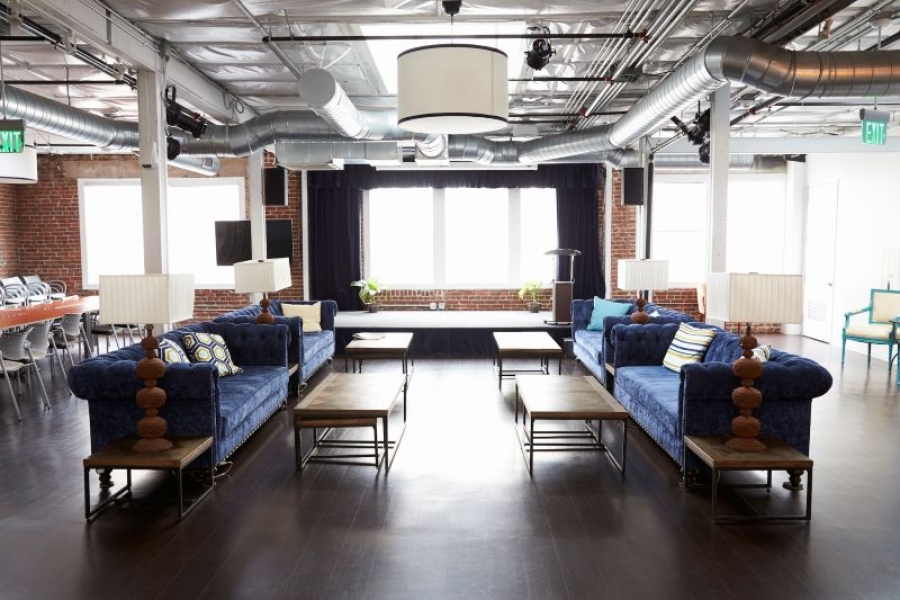
The traditional office is no longer the default workplace it once was. Across Sydney, businesses and professionals are rethinking how, where, and why they work. One of the most visible outcomes of this shift is the rapid growth of the modern Sydney coworking space model. Shared offices are redefining productivity, flexibility, and collaboration, and in doing so, they are changing the way Sydney works.
The shift away from traditional offices
For decades, long-term office leases and fixed desks were considered essential for running a business. Today, that model feels increasingly restrictive. Rising commercial rents, changing workforce expectations, and the growth of remote work have made flexibility a priority.
Shared offices offer an alternative that aligns with modern work habits. Instead of locking businesses into multi-year leases, coworking spaces provide adaptable environments that can scale up or down as needs change. This shift has been particularly appealing in Sydney, where property costs and commuting times are major considerations.
Flexibility that supports modern work styles
One of the main reasons shared offices are gaining traction is flexibility. Professionals no longer want to be tied to a single location or rigid schedule. A Sydney coworking space allows people to choose how often they come in, where they sit, and what type of space they need.
Freelancers may only require a desk a few days a week. Startups might need space for a small team now, with the option to expand later. Larger companies increasingly use coworking spaces for satellite offices or project teams. Shared offices accommodate all of these scenarios without unnecessary overhead.
This flexibility supports hybrid work models, which have become the norm rather than the exception.
Cost efficiency without compromise
Running a traditional office involves more than rent. Utilities, internet, cleaning, furniture, maintenance, and meeting rooms all add to the cost. For small businesses and independent professionals, these expenses can be prohibitive.
Shared offices bundle these essentials into a single membership fee. A Sydney coworking space typically includes high-speed internet, furnished work areas, meeting rooms, kitchens, and common spaces. This cost efficiency allows businesses to access premium locations and professional facilities without the financial burden of a standalone office.
Importantly, cost savings do not come at the expense of quality. Many shared offices are designed to a high standard, offering environments that rival or exceed traditional offices.
Redefining productivity and focus
Working from home offers convenience, but it is not always productive. Distractions, isolation, and blurred boundaries between work and personal life can affect performance over time.
Shared offices provide a dedicated work environment that encourages focus while still offering flexibility. The act of commuting to a Sydney coworking space, even if only occasionally, helps establish routine and mental separation between work and home.
For many professionals, this balance improves productivity and reduces burnout, making shared offices a sustainable long-term solution.
Community and collaboration as a competitive advantage
One of the most significant differences between shared offices and traditional workplaces is the emphasis on community. Coworking spaces bring together people from different industries, backgrounds, and stages of business.
This environment naturally fosters collaboration. Conversations in shared kitchens, networking events, and informal introductions often lead to partnerships, referrals, and new ideas. A Sydney coworking space becomes more than a place to work; it becomes a professional ecosystem.
In a city as diverse and fast-moving as Sydney, this access to community is a powerful advantage.
Supporting startups and innovation
Sydney has a strong startup and entrepreneurial culture, and shared offices play a key role in supporting it. Startups often operate with limited budgets and uncertain growth trajectories. Committing to long-term office leases can be risky.
Coworking spaces allow startups to stay agile. Teams can grow, pivot, or downsize without the constraints of fixed infrastructure. Many shared offices also host workshops, mentoring sessions, and pitch events, further supporting innovation and business development.
This has made the Sydney coworking space model an integral part of the city’s startup ecosystem.
Attracting and retaining talent
Workplace expectations have changed, particularly among younger professionals. Flexibility, wellbeing, and work-life balance are now key factors in job satisfaction.
Companies that use shared offices can offer employees greater choice in how and where they work. Access to modern, well-located coworking spaces can be a strong drawcard for talent, especially when compared to long commutes or outdated office environments.
By embracing shared offices, businesses can position themselves as forward-thinking and employee-focused.
Location and lifestyle benefits
Sydney’s geography makes location an important consideration. Long commutes can impact productivity and quality of life. Shared offices are spread across the CBD and inner suburbs, allowing professionals to work closer to home or clients.
A Sydney coworking space often integrates lifestyle elements such as cafes, gyms, and social areas, reflecting the city’s emphasis on balance and wellbeing. This integration of work and lifestyle further differentiates shared offices from traditional workplaces.
The future of work in Sydney
Shared offices are not a passing trend. They reflect deeper changes in how people view work, flexibility, and productivity. As businesses continue to adapt to changing economic and social conditions, coworking spaces are likely to play an even greater role.
By offering flexibility, cost efficiency, community, and modern amenities, the Sydney coworking space model is reshaping Sydney’s working culture. For many professionals and businesses, shared offices are no longer an alternative option; they are the preferred way to work.