




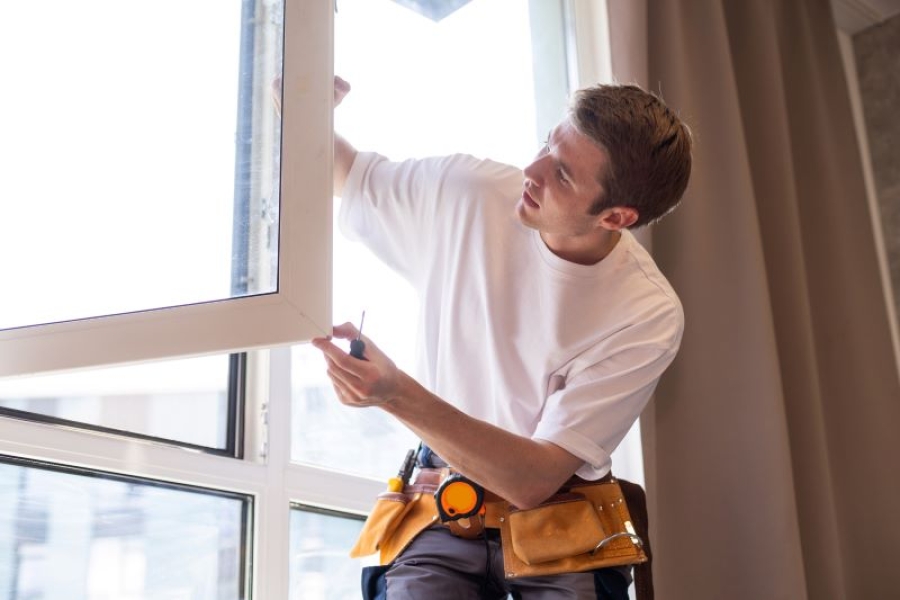
For homeowners in Whitehall, PA, few renovations deliver the combined benefits of window replacement: enhanced curb appeal, measurable energy savings, and a tangible boost to resale value. While kitchens and bathrooms often dominate renovation conversations, the impact of modern, energy-efficient windows on both comfort and market appeal shouldn't be underestimated.
The case for upgrading extends beyond aesthetics. Today's window technology addresses the dual challenge of rising energy costs and buyer expectations for move-in-ready homes. When paired with complementary exterior improvements—quality siding, well-chosen doors, and thoughtful interior finishes—window replacement becomes part of a strategic approach to home value optimization.
The Financial Case for Modern Windows
Energy efficiency drives much of the value proposition. According to the Department of Energy, homeowners can save between $126 and $465 annually by replacing single-pane windows with Energy Star-certified models, depending on climate zone and heating fuel. In Pennsylvania's variable climate, those savings accumulate quickly.
The benefits extend across several dimensions:
• Thermal Performance: Double and triple-pane construction with low-E coatings and argon gas fills dramatically reduces heat transfer, maintaining consistent indoor temperatures year-round.
• Acoustic Insulation: Multi-pane windows with proper sealing can reduce exterior noise by 20-30 decibels, a significant quality-of-life improvement in suburban settings.
• UV Protection: Modern glazing blocks up to 99% of ultraviolet radiation, preventing furniture, flooring, and artwork from fading while reducing solar heat gain. To learn more, you might want to explore window coverings.
• Maintenance Reduction: Vinyl and fiberglass frames eliminate the painting and scraping cycles required by older wood windows, reducing long-term ownership costs.
Real estate professionals consistently report that energy-efficient upgrades resonate with buyers..
Wood Windows: Balancing Tradition and Performance
Despite advances in synthetic materials, wood windows maintain their appeal in certain architectural contexts. Historic homes, traditional colonials, and craftsman-style properties often benefit from the authentic appearance that only wood can provide.
Modern wood windows differ substantially from their predecessors:
• Engineered Cores: Laminated wood construction resists warping and moisture damage better than solid lumber, extending service life significantly.
• Factory Finishing: Aluminum cladding on exterior surfaces eliminates most maintenance while preserving interior wood aesthetics.
• Thermal Breaks: Contemporary designs incorporate insulating barriers that address wood's natural conductivity issues.
• Custom Profiles: Wood's workability allows for historically accurate profiles that vinyl and fiberglass cannot replicate economically.
The trade-off involves cost and maintenance commitment. Wood windows typically run 15-30% more than comparable vinyl units, and even clad versions require periodic interior refinishing. For homes where architectural integrity justifies the premium, however, wood remains the superior choice.
Siding's Role in Comprehensive Exterior Upgrades
Window replacement often prompts broader exterior renovations, with siding upgrades delivering complementary benefits. The logic is straightforward: once scaffolding is in place and trim work exposed, addressing aging siding becomes cost-effective.
Contemporary siding options have evolved considerably:
• Insulated Vinyl: Foam-backed panels add R-value while improving impact resistance and reducing thermal bridging through wall studs.
• Fiber Cement: James Hardie and similar products offer superior durability and fire resistance, with warranties extending 30-50 years.
• Engineered Wood: Products like LP SmartSide provide authentic wood texture with enhanced moisture and pest resistance.
• Metal Panels: Once limited to commercial applications, residential metal siding now appears in modern and contemporary designs seeking clean lines and minimal maintenance.
According to Remodeling Magazine's Cost vs. Value Report, vinyl siding replacement recoups approximately 69% of its cost nationally, with regional variations based on local preferences and climate demands. The aesthetic refresh matters as much as the functional improvement—dated or damaged siding signals deferred maintenance to prospective buyers, regardless of a home's interior condition.
Entry Doors: Disproportionate Impact on First Impressions
The front door occupies perhaps 2% of a home's exterior surface area yet dominates initial perception. Real estate agents universally recommend door upgrades as high-return investments, particularly when existing entries show wear or stylistic obsolescence.
Material selection involves balancing aesthetics, security, and maintenance:
• Steel: Offers superior security and energy efficiency at moderate cost, though denting and rust remain concerns in high-traffic or coastal environments.
• Fiberglass: Mimics wood grain convincingly while resisting warping, cracking, and moisture damage; typically the best all-around performer in variable climates.
• Wood: Provides unmatched aesthetic warmth and customization potential but requires regular maintenance and offers lower security than alternatives.
• Aluminum and Glass: Contemporary designs favor these materials for their clean lines and light transmission, though thermal performance requires careful specification.
Suppliers offering entry doors across these material categories—along with professional installation—include Tom Adams Windows & Carpets, Pella, and options through [Home Depot's installation services.
Beyond the entry, coordinating garage doors, storm doors, and secondary entries maintains the visual consistency that signals comprehensive care. Buyers notice when a $3,000 front door is undermined by a rusted storm door or a garage door that predates the Clinton administration.
Maintenance: Protecting Your Investment
Even premium windows require periodic attention to maintain performance and appearance. Neglected maintenance undermines the value proposition of quality installations.
Essential maintenance includes:
• Screen Inspection: Torn or damaged screens compromise ventilation benefits and signal neglect to buyers; professional repair typically costs $25-75 per screen.
• Weatherstripping Replacement: Compression seals degrade over 5-7 years; replacement restores energy efficiency at minimal cost.
• Hardware Lubrication: Annual application of silicone spray to locks, hinges, and operators prevents binding and extends component life.
• Drainage Weep Holes: Clearing these small openings in window frames prevents water accumulation that can damage sills and walls.
For homeowners searching for "window screen repair near me," local services typically offer mobile repair that addresses minor issues before they escalate. The modest investment in maintenance preserves both function and the aesthetic appeal that justified the original upgrade.
Similarly, door hardware, siding fasteners, and flooring transitions benefit from periodic inspection. A systematic approach—seasonal checks tied to HVAC filter changes, for example—prevents the gradual deterioration that erodes property value between major renovations.