Ireland’s capital provides an exciting mixture of history, culture and nightlife. In this post, we’ll round up 10 of the top attractions including iconic lively pubs, sobering historic sites and unusual off-the-beaten-track museums.
1. Dublin Castle
Dublin Castle is the perfect starting point when exploring Dublin’s history. Built on the site of a Viking fortress, this medieval castle was the seat of British rule in Ireland all the way up until 1922 when it was handed over to the Irish government. It’s now where all Irish presidents are inaugurated, while foreign dignitaries continue to stay here in the lavish State Apartments (which are open to the public when no-one is staying in them). Stroll through the castle and explore 1000 years of history from the original Viking foundations to its modern government usage.
2. Trinity College
Ireland’s oldest university, Trinity College, is also one of Dublin’s most atmospheric places. Its cobblestoned campus contains many magnificent Georgian buildings where the likes of Oscar Wilde and Samuel Beckett once studied. The main attraction of Trinity College is the Old Library - it features a vast vault called The Long Room housing thousands of books and manuscripts dating back to the 9th century. Book tickets to the Old Library in advance and go early in the morning if you want to see it when it's quiet.
3. Kilmainham Gaol Museum
Kilmainham Gaol is more than just a decommissioned prison. It is arguably the best place in Dublin to learn about the fight for Irish independence - after the pivotal Easter Rising of 1916, many leading figures in the independence movement were housed in this prison’s walls and some were even executed here. Guided tours can take you through the echoing corridors and sombre execution yard where you can learn about the formation of modern Ireland and the sacrifices that nationalists made to gain independence. It makes for an emotionally powerful visit with lots of educational insights along the way.
4. Temple Bar
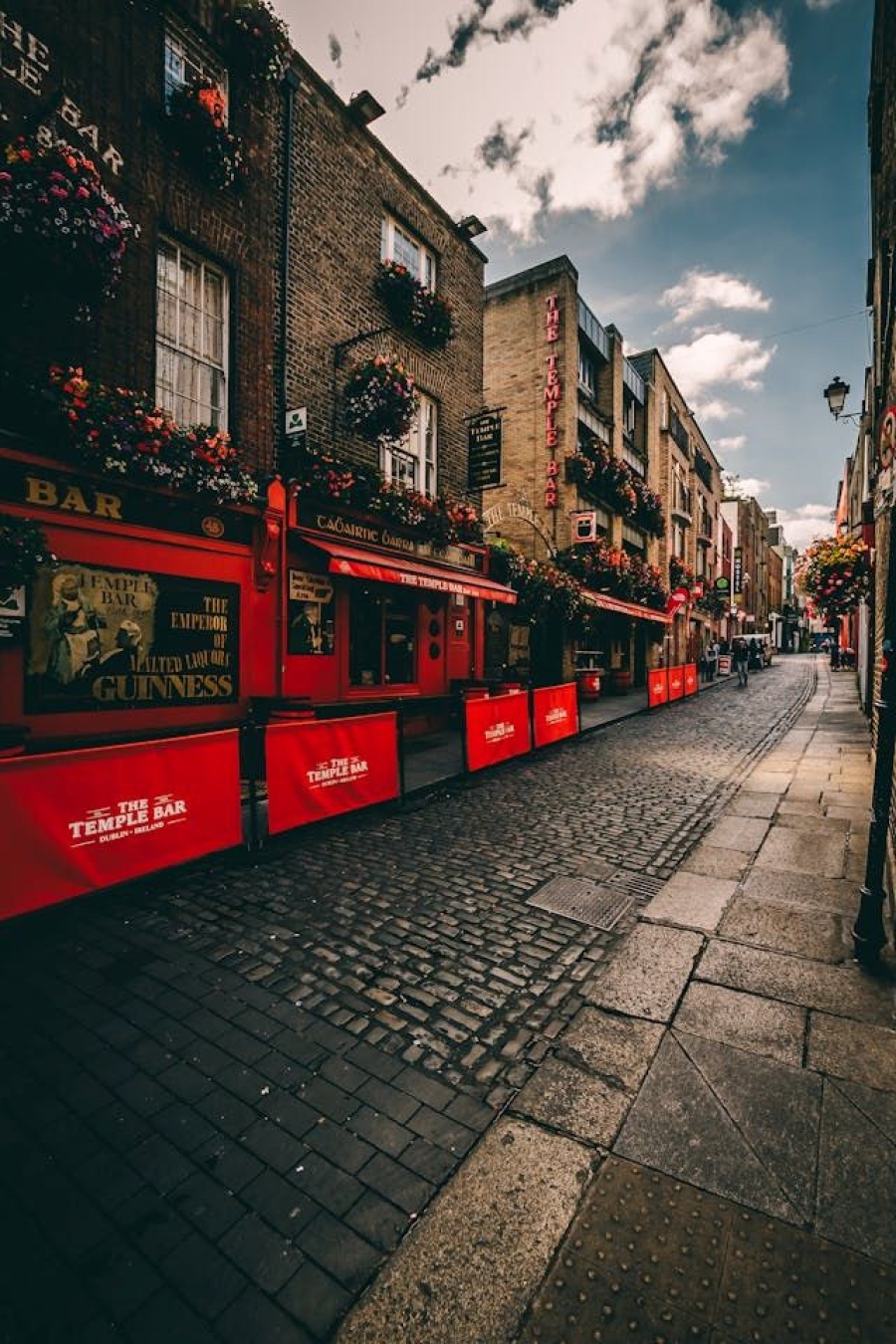
Dublin’s vibrant cultural quarter, Temple Bar, is famous for its historic pubs - namely the Temple Bar Pub, which has a selection of 450 whiskeys and an equally impressive selection of pub sandwiches. This pub and its neighbouring bars are great places to grab a drink and experience live local music, while chatting to locals and tourists from all around the world. If you’ve just arrived, luggage drop-off services like Radical Storage Dublin have locations near Temple Bar - allowing you to leave your suitcase while you get a drink. It’s almost always busy in Temple Bar, however weekday mornings and early afternoons tend to be less crowded.
5. The Guinness Storehouse
A visit to the Guinness Storehouse is practically a Dublin rite of passage. Housed in a former fermentation plant, this seven-storey attraction walks you through the iconic stout’s history, while also providing a glimpse into the brewing process. Even if you’re not a Guinness drinker, you’re certain to enjoy the interactive exhibits delving into Guiness’s marketing and manufacturing. A highlight is the Gravity Bar at the top where you can enjoy a pint of Ireland’s most famous drink while taking in panoramic views of the city’s rooftops. It’s recommended that you book tickets to the Guinness Storehouse online before you travel to Dublin to guarantee entry.
6. The Little Museum of Dublin
This quirky museum contains over 5000 artefacts related to Irish history including vintage pots of Sudocrem, the death mask of James Joyce and a room full of U2 memorabilia. Humorous 29-minute guided tours by local experts explain the significance of each of these artefacts, which are piled floor-to-ceiling into each room. You can find The Little Museum of Dublin in a Georgian townhouse on St Stephen’s Green. Like other attractions listed above, it’s advised that you book tickets in advance as tours are popular.
7. The Irish Emigration Museum
If you’re not already museum-ed out, consider adding the Irish Emigration Museum (EPIC) to your itinerary. This attraction is dedicated to the 10 million people who left Ireland and shaped communities around the world. Located in the striking CHQ building by the river Liffey, this museum is made up of several hi-tech and immersive galleries. Upon entry, you’re given a passport that you can get stamped at various stations along the way. It’s fun for kids and adults.
8. St Patrick’s Cathedral
Ireland’s largest church, St Patrick’s Cathedral, was founded in 1191 and is said to be built near a holy well where St Patrick baptised converts in the 5th century. It’s an impressive example of gothic medieval architecture with a 100-metre-long nave and intricate stained glass windows. Various events are held here including candlelit evening concerts and lunchtime piano recitals, which can be worth checking out for some additional magical ambience.
9. Hugh Lane Gallery
Art lovers may want to plan a stop at Hugh Lane Gallery. Inside its walls, you’ll find various works including impressionist paintings by the likes of Monet and modern pieces by Sean Scully. The most famous attraction here is Francis Bacon’s studio - the 20th century artist’s London studio was painstakingly moved and recreated here in all its chaotic glory. Irish stained-glass artist Harry Clarke’s ‘Eve of St Agnes’ window is also housed here.
10. The National Leprechaun Museum of Ireland
The National Leprechaun Museum of Ireland is a lesser known attraction that might be worth considering if you’re coming here with kids. It’s a museum dedicated to Irish folklore - in particular, the leprechaun. The experience includes theatrical storytelling, themed spaces and optical illusions (including a room with oversized furniture that will make you feel like a leprechaun). Although it does have some artefacts, it’s definitely not your average museum.
Making the most of your Dublin visit
Booking attractions in advance is the best way to guarantee entry, skip queues and access discounted prices. Avoid peak travel times such as July to August, Mid-March (St Patrick’s Day) and December if you want reduced crowds. Travelling out of season will also result in cheaper flights and hotel rates. When planned properly, Dublin can make a great budget friendly weekend getaway or an excellent mid-week city break.