Heating and cooling account for nearly half of most household energy bills. That percentage climbs higher as utility rates continue to fluctuate. For homeowners focused on long-term costs, this is where real savings happen.
Traditional HVAC systems condition every room at once, whether occupied or not. The guest bedroom sits empty for months, yet it receives the same treatment as the living room. This all-or-nothing approach drives up energy use without adding comfort.
Zoning offers a different path. By controlling temperatures in separate areas independently, you direct energy only where it's needed. Multi-zone systems bring this concept to modern homes in a practical way.
What Is a Multi-Zone Mini Split System?
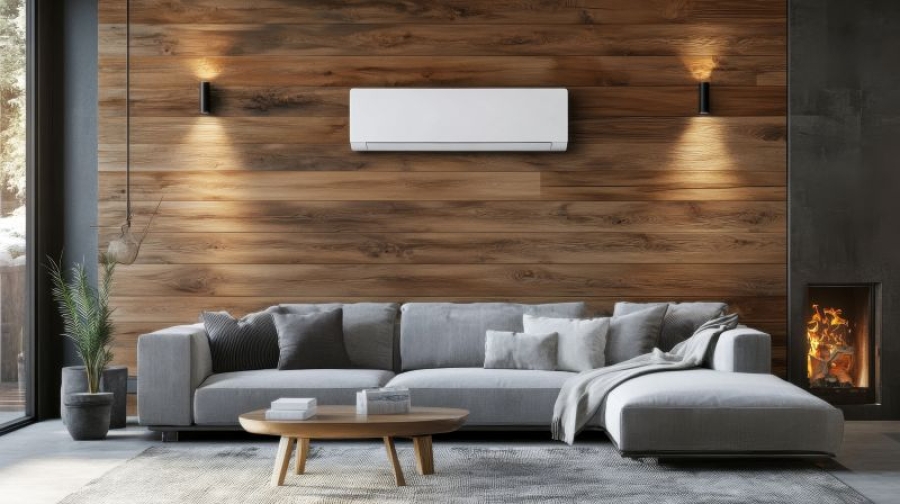
A multi-zone mini split system connects one outdoor compressor to several indoor units throughout the house. Each unit serves a different room. Each operates on its own schedule and temperature setting.
The setup includes:
• A single outdoor compressor powering two to five indoor units
• Separate thermostats for every room
• The ability to run one zone, several zones, or all at once
Central air conditioning takes a different approach. It relies on ductwork to distribute air from one central point. One thermostat governs the entire system. Turn it on, and conditioned air flows to every connected room. Mini splits eliminate the ductwork. They deliver heating or cooling directly into each space. This room-by-room control replaces the single-switch mentality of traditional systems.
How Zoned Cooling and Heating Reduce Energy Waste
Zoned systems operate on a simple principle: condition only the spaces you're using. Traditional setups waste energy in predictable ways. Empty rooms get heated and cooled regardless of occupancy. Everyone in the household lives with the same temperature, even if preferences differ. The system works harder and longer because it's treating unused spaces the same as occupied ones.
Multi-zone configurations address these patterns directly. During daytime hours, you might only need climate control in a home office. Bedrooms and common areas can stay off until evening. Family members who prefer different temperatures can each adjust their own zone.
A practical example: you work from home while the rest of the family is out. A central system conditions the entire house to keep one room comfortable. A zoned system runs only the unit in your workspace. The difference in energy consumption compounds over time.
Guest rooms present another opportunity. Most homes have at least one bedroom that sits vacant for weeks or months. Zoned control lets you shut down that space entirely without affecting the rest of the house. Less waste translates to lower operating costs.
Why Ductless Systems Perform Better in Modern Home Layouts
A ductless mini split sends conditioned air straight into a room without passing through a network of ducts. This design suits the way many homes are built and updated today. Open floor plans, converted garages, finished basements, and room additions are common in modern construction. These layouts often challenge traditional ducted systems.
Ductwork comes with limitations:
• Extending ducts into existing structures costs money and disrupts daily life
• Older duct systems can lose 20% to 30% of conditioned air through leaks and poor insulation
• Some spaces simply cannot accommodate new ductwork at all
Ductless systems sidestep these issues. Installation requires only a small conduit through the wall connecting the indoor and outdoor units. No major construction. No ceiling or wall demolition. The absence of ductwork eliminates duct loss. The air you pay to condition actually reaches the intended room. For additions, renovations, or older homes without existing ducts, this efficiency gain makes a meaningful difference.
Comparing Multi-Zone Mini Splits to Traditional Central HVAC
Both systems can maintain comfortable temperatures. Their differences show up in efficiency and long-term costs.
• Energy efficiency: Mini splits use inverter-driven compressors that adjust output based on demand. Central systems typically cycle on and off at full capacity. The inverter approach maintains steady temperatures with less energy.
• Zoning flexibility: Central systems offer limited zoning through dampers and additional thermostats, but they still share ductwork. Mini splits provide true independent control for each zone.
• Installation impact: Adding central air to a home without ducts means significant construction. Mini splits install with minimal disruption, making them practical for retrofits.
• Operating cost: Duct losses and whole-home conditioning add up over the years of use. Zoned systems reduce runtime by targeting specific areas. Many homeowners notice the difference in monthly bills.
Multi-zone mini splits fit certain situations better than others. Homes with well-maintained existing ductwork may not see enough benefit to justify a switch. The right choice depends on layout, usage patterns, and priorities.
Which Homes Benefit Most from Multi-Zone Mini Split Systems?
Certain homes see greater efficiency gains from zoned systems.
• Multi-story houses often struggle with uneven temperatures. Heat rises, leaving upper floors warmer than lower levels. Zoning lets you balance conditions throughout without overworking the equipment.
• Additions and converted spaces frequently lack adequate HVAC coverage. Adding a dedicated zone proves simpler than extending ductwork to a sunroom, finished attic, or in-law suite.
• Households with varied schedules also benefit. Family members working different hours or using different parts of the house at different times can condition only their active spaces.
• Rooms with intermittent use present another opportunity. A home gym or media room needs climate control for a few hours weekly. Running a single zone beats conditioning the entire house.
From a real estate standpoint, flexible and efficient systems appeal to buyers. Homes offering room-by-room control and lower utility costs stand out in competitive markets.
Energy Efficiency as a Long-Term Investment in Home Value
Monthly savings matter, but energy-efficient systems also contribute to overall home value. Lower operating costs make a property more affordable to own. Buyers increasingly factor utility expenses into their decisions. A house with efficient heating and cooling becomes more attractive than one running outdated equipment.
Comfort adds value, too. Consistent temperatures, quiet operation, and individual room control improve daily living. These qualities affect how people experience a home. Energy-efficient features often appear as selling points. Appraisers and buyers notice upgraded HVAC systems. In competitive markets, these details can influence offers.
The investment returns in two forms: reduced costs while you live there and added appeal when you sell.
Conclusion
Energy efficiency comes down to whether you're conditioning only what you need. Traditional systems treat every room identically. Multi-zone ductless systems offer finer control, matching climate output to actual usage patterns.
For homes with open layouts, additions, or varied occupancy, this flexibility produces real results. The choice isn't about chasing trends. It's about selecting a system that fits how you actually live.
If you're evaluating HVAC options for new construction, renovation, or replacement, multi-zone mini splits deserve consideration. The efficiency gains and long-term value make them worth understanding before you decide.