




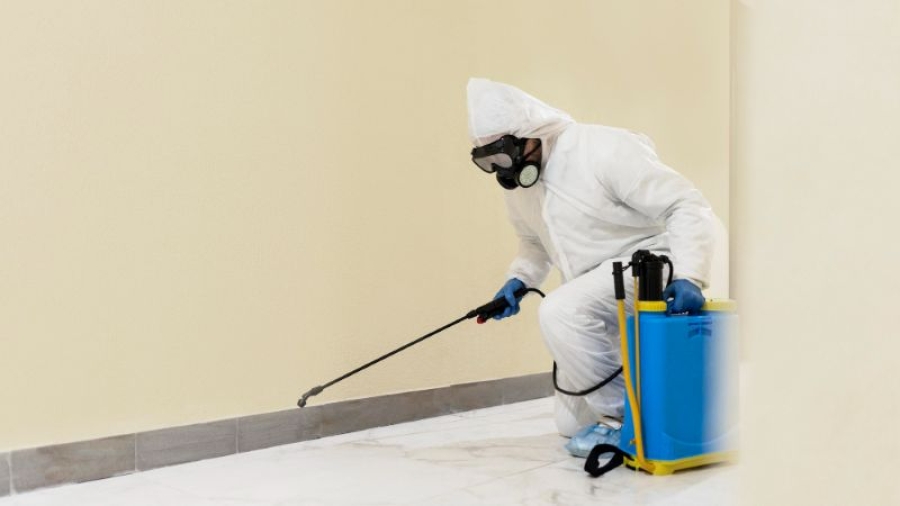
Property value reflects more than location and finishes. Buyers, appraisers, and lenders assess how well a home protects them from risk, future repairs, and hidden deterioration. While curb appeal draws attention, underlying conditions often determine whether a property holds its value over time or quietly loses it through preventable damage.
Pest activity sits at the center of that equation. Insects and rodents compromise structures, affect inspections, and influence buyer confidence long before visible damage appears.
When owners treat pest control as part of responsible property care, they reduce uncertainty, protect long-term value, and position a home as a safer, more reliable investment in competitive real estate markets.
How Pests Undermine Structural Integrity
Structural damage often develops out of sight. Pests target wall cavities, crawl spaces, and attic framing, where early activity can go unnoticed for long periods. As infestations persist, they weaken essential components that support the home’s overall stability.
Termites consume wood from the inside out, leaving beams and joists compromised beneath intact surfaces. Rodents chew insulation and wiring, increasing fire risk while reducing energy efficiency. These problems affect core systems that buyers and inspectors evaluate during a sale.
As deterioration advances, repairs grow more complex and costly. Structural concerns raise red flags during inspections and can reduce appraised value. Buyers may interpret pest damage as evidence of ongoing maintenance issues rather than a contained incident.
Consistent pest management plays a key role in limiting that risk. When property owners address active pest threats through services such as Axiom Pest Control & Extermination, they reduce the likelihood of structural damage escalating into a value-impacting issue over time. It supports long-term property stability rather than reacting after damage becomes visible.
The Hidden Financial Impact of Pest Activity
Pest issues often create costs that extend beyond visible repairs. Damage inside walls, under floors, or within insulation can progress quietly, adding expenses long before owners recognize a problem. These hidden issues tend to surface at the most inconvenient time, often during inspections or pre-sale evaluations.
Rodents and insects can compromise insulation, ventilation paths, and moisture control. As efficiency drops, utility costs rise, and indoor conditions become harder to regulate. Buyers may not see these problems immediately, but inspectors often flag them as signs of broader system strain.
Electrical damage presents another financial risk. Chewed wiring increases fire hazards and may require extensive rewiring to meet safety standards. These repairs carry higher costs because they often involve opening finished surfaces to access affected areas.
When pest-related issues appear late in the transaction process, they weaken negotiating positions. Repair credits, price reductions, or delayed closings can follow, all of which reduce the final value owners realize from the property.
Buyer Confidence and the Role of Pest History
Buyer confidence depends on certainty. When purchasers evaluate a home, they look beyond finishes and staging to assess how well the property has been maintained over time. Pest history often shapes that judgment because it signals how owners have managed hidden risks.
Inspection reports that reference past or active pest issues tend to attract closer scrutiny. Buyers may worry about unresolved damage, future repairs, or recurring infestations. Even when problems appear minor, uncertainty can shift negotiations or slow decision-making.
A clear pest history helps remove doubt. Homes with evidence of consistent monitoring and timely treatment appear more predictable and easier to maintain. This reassurance matters in competitive markets, where buyers compare similar properties and look for reasons to move forward with confidence.
When pest concerns remain unanswered, perception changes quickly. Buyers may assume deferred maintenance or ongoing risk, which can lead to lower offers, additional contingencies, or hesitation that ultimately affects the property’s market value.
Preventative Pest Control as Value Protection
Preventive care focuses on reducing risk before damage occurs. In real estate, this approach helps protect property value by addressing pest pressure early rather than responding after structural or system issues appear. Consistent prevention limits the chance of costly surprises during ownership or resale.
Ongoing pest control supports stable building conditions. Treatments that reduce moisture-loving insects, rodents, and nesting activity help preserve framing, insulation, and ventilation systems. When these components remain intact, properties maintain performance levels buyers and inspectors expect.
From a valuation perspective, prevention supports predictability. Homes with fewer unresolved risks move through inspections more smoothly and avoid last-minute repair demands. This stability can preserve the asking price and reduce the likelihood of concessions during negotiations.
Pest Issues That Affect Appraisals and Financing
Appraisals focus on condition as much as comparable sales. When pest activity appears in inspection reports, appraisers may question structural integrity or anticipate future repair costs. These concerns can influence valuation, especially when damage affects load-bearing or moisture-sensitive areas.
Lenders often respond to pest findings with additional requirements. In some cases, financing depends on proof that infestations have been addressed and that damage does not threaten the property’s safety or livability. Unresolved issues can delay approvals or stall closings altogether.
Even minor pest-related notes can trigger follow-up inspections. Each added condition introduces time pressure and uncertainty, particularly in competitive transactions where timing matters. Buyers may grow cautious as requirements accumulate.
When pest concerns complicate appraisals or financing, sellers face limited options. Addressing issues earlier helps protect value by keeping transactions on schedule and reducing the risk of price adjustments tied to inspection outcomes.
Market Perception and Competitive Listings
In competitive markets, perception often shapes outcomes as much as pricing. Buyers compare similar homes and look for signs that a property has been consistently maintained. Pest-related concerns can quickly influence those comparisons, even when damage appears limited or contained.
Listings associated with unresolved pest issues tend to attract more questions and longer review periods. Buyers may hesitate, anticipating future repairs or recurring problems. That hesitation can reduce urgency, leading to fewer offers or extended time on the market.
By contrast, homes that present fewer unknowns feel easier to commit to. When pest risks appear managed, buyers can focus on layout, location, and lifestyle fit rather than potential complications. This clarity strengthens a listing’s position against comparable properties.
Market perception directly affects the final sale price. Properties viewed as lower risk often sustain stronger offers, while those carrying unanswered pest concerns may require concessions to remain competitive.
Wrapping Up
Property value depends on how well a home performs under scrutiny, not just how it looks at first glance. Pest control shapes that performance by reducing risk, smoothing inspections, and supporting confident transactions. When owners manage pest pressure proactively, they strengthen market position, preserve financial outcomes, and protect the property’s role as a dependable long-term asset.