




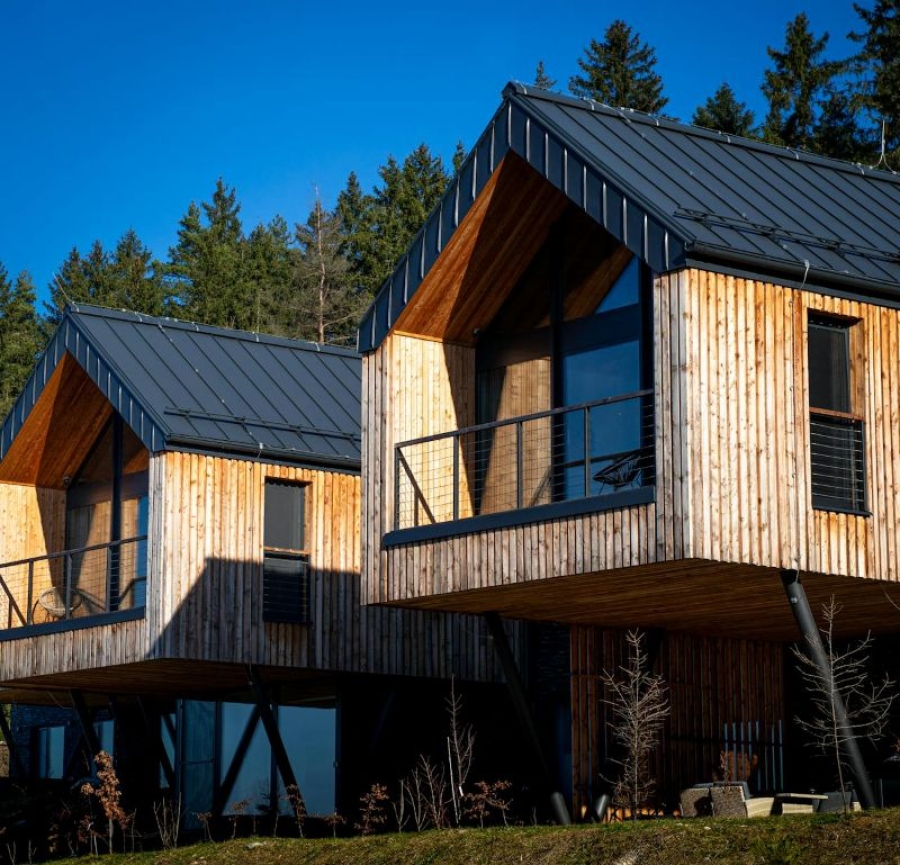
Sustainable resort architecture is becoming essential in the real estate industry. Developers are embracing eco-friendly hospitality design to meet the demands of environmentally conscious travelers. This shift is not just about reducing environmental impact but also enhancing guest experiences, reflecting the principles of eco-friendly hospitality design.
As the hospitality industry evolves, the future of sustainable resort architecture is gaining traction. This trend reflects one of the broader regenerative tourism trends 2026, which includes a commitment to sustainability, where resorts are designed to minimize their environmental footprint while offering unique experiences. By integrating natural elements and sustainable materials, such as certified and sustainable bamboo decking, resorts can attract eco-conscious travelers and improve their marketability. The principles of sustainable resort architecture further support these efforts.
Understanding Eco-Friendly Trends in Resort Development
The demand for sustainable tourism is driving significant changes in resort development. Travelers increasingly prefer accommodations that align with their environmental values, prompting resorts to adopt eco-friendly practices in response to these regenerative tourism trends 2026. This shift is about more than just reducing carbon footprints; it is about creating experiences that connect guests with nature. As a result, many resorts now feature certified and sustainable bamboo decking to showcase renewable materials and eco-friendly hospitality design without sacrificing style.
Biophilic design is a popular trend among sustainable resort architecture which incorporates natural elements into architectural structures to enhance the connection between guests and their surroundings. Energy-efficient designs and certifications like LEED set new standards for sustainability in the industry, inspiring more LEED certified resorts that prioritize comprehensive environmental standards. These practices appeal to eco-conscious travelers and enhance a resort's reputation among those following the regenerative tourism trends 2026.
Modern resort developers are increasingly incorporating durable hotel building materials and renewable energy systems such as solar panels, wind turbines and geothermal heating to power their facilities. Water conservation technologies, including rainwater harvesting systems and greywater recycling, are becoming standard features in sustainable resort design. Smart building management systems allow resorts to monitor and optimize energy consumption in real-time, significantly reducing waste. These technological integrations not only demonstrate environmental commitment but also align with the overarching principles of eco-friendly hospitality design, offering benefits that extend beyond immediate cost savings. In addition, low maintenance resort decking solutions like fused bamboo can further reduce the need for frequent repairs, aligning with sustainability goals.
Exploring Innovative Materials in Sustainable Construction
Innovative materials are crucial in sustainable resort architecture, ensuring durability and environmental responsibility. Bamboo decking, particularly fused bamboo, is gaining popularity due to its strength and sustainability. This material is ideal for harsh climates, offering high-performance benefits that reduce maintenance needs, making it among the most durable hotel building materials available.
Using durable hotel building materials like fused bamboo helps lower long-term operational costs by minimizing replacements. These materials also contribute to the aesthetic appeal of resorts, blending seamlessly with natural landscapes. The use of fused bamboo decking can complement these design goals by providing a visually appealing, natural surface. Fused bamboo remains especially relevant in this context, as it can withstand heavy foot traffic while maintaining structural integrity.
Beyond fused bamboo decking, sustainable resort architecture is embracing a variety of eco-friendly materials including reclaimed wood, recycled metal and low-VOC paints that improve indoor air quality. Cork flooring and recycled glass tiles offer both aesthetic appeal and environmental benefits, while locally sourced stone reduces transportation emissions and supports regional economies. Advanced composite materials made from agricultural waste are emerging as viable alternatives to traditional building products, offering comparable strength with significantly lower environmental impact. These innovations are further expanding the range of durable hotel building materials that balance performance with eco-conscious design. The selection of these low maintenance resort decking materials requires careful consideration of local climate conditions, availability and the specific performance requirements of different resort areas, from high-traffic lobbies to moisture-prone spa facilities.
Benefits of Developing Eco-Friendly Resorts
Eco-friendly resorts offer numerous benefits across environmental, economic and social dimensions. Environmentally, they reduce waste and energy consumption while promoting biodiversity. Economically, eco-friendly hospitality design lowers operational costs and attracts a niche market willing to pay a premium for green accommodations. Many analysts predict that regenerative tourism trends 2026 will further amplify this demand, ensuring that responsible development and being among the LEED certified resorts remains a focal point for the industry.
Socially, eco-friendly designs foster community relationships and provide educational opportunities for guests about sustainable living. Resorts that prioritize sustainability meet the expectations of environmentally conscious travelers who value responsible tourism choices. By aligning with these trends, establishments can position themselves as leaders in the hospitality industry. For example, LEED certified resorts consistently demonstrate how environmentally responsible practices can intertwine with cutting-edge comfort, appealing to a broad audience.
Navigating Challenges and Seizing Opportunities
Implementing sustainable practices in resort development presents challenges, such as high initial costs for eco-friendly materials and technologies. There may also be regulatory hurdles or resistance from stakeholders unfamiliar with sustainability benefits.
Despite these challenges, opportunities abound for innovation and growth in the eco-friendly hospitality design sector. As awareness of environmental issues grows, so does consumer demand for sustainable options. This evolution seamlessly aligns with regenerative tourism trends 2026, highlighting the potential for even more impactful transformations. Additionally, embracing low maintenance resort decking can minimize upkeep costs and preserve resources over the long term, offering another route toward achieving both environmental responsibility and profitability. Developers who embrace this trend can capitalize on new markets and set benchmarks for future projects.