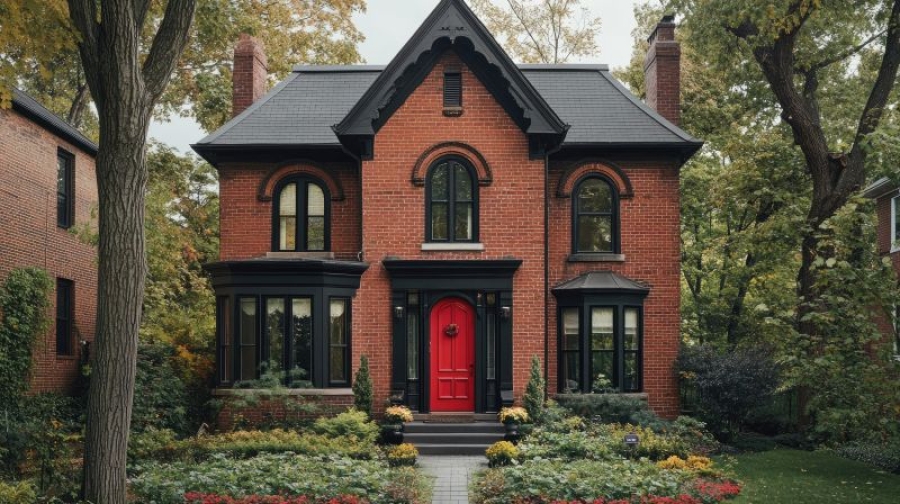
Period homes occupy a unique position in the property market. Buyers seeking Victorian terraces, Edwardian semis, or Georgian townhouses aren't just purchasing square footage—they're investing in character, craftsmanship, and architectural heritage. This means restoration decisions carry outsized weight when it comes to valuation.
Yet many sellers unknowingly sabotage their listing price through well-intentioned but misguided updates. Here are five restoration mistakes that consistently hurt period property values—and what to do instead.
Mistake #1: Replacing Original Windows with uPVC
This is perhaps the most common and costly error period home sellers make. The logic seems sound: modern uPVC windows are energy-efficient, low-maintenance, and relatively inexpensive. But in a period property, they're a red flag that sends buyers running.
Why? Because uPVC frames clash visually with period architecture. The chunky white plastic profiles look jarringly modern against Victorian brickwork or Georgian proportions. Experienced buyers—and their surveyors—see uPVC windows and immediately wonder what other original features have been stripped out.
The solution isn't avoiding window upgrades altogether. Period windows often need attention, and buyers expect reasonable thermal performance. The key is choosing replacements that honour the building's character while delivering modern functionality.
Bespoke timber windows, made to match original profiles and proportions, maintain architectural integrity while offering double-glazed thermal performance. Specialists like Wooden Windows Online manufacture made-to-measure timber casement and sash windows that satisfy both heritage requirements and contemporary comfort expectations. For properties in conservation areas, this approach isn't just preferable—it's often mandatory.
Mistake #2: Covering Original Flooring
Original floorboards, encaustic tiles, and parquet are exactly what period home buyers hope to find. Yet sellers frequently carpet over these assets, sometimes without even knowing what lies beneath.
Before listing, investigate what's under existing floor coverings. Original pine or oak boards in good condition add genuine value. Even boards needing restoration represent an opportunity rather than a problem—buyers appreciate authenticity they can improve rather than cheap laminate that needs replacing entirely.
If original flooring is beyond salvage, choose replacements that suit the property's era. Reclaimed boards from architectural salvage yards maintain period authenticity in ways new engineered products cannot match.
Mistake #3: Removing Period Fireplaces
Mid-century previous owners often removed fireplaces to create "more space" or install central heating. This was shortsighted then; it's costly now.
Original fireplaces are focal points that define period room proportions. Their absence creates an awkward void that buyers immediately notice. If original fireplaces have been removed, reinstating appropriate period replacements before sale typically returns multiples of the investment.
Architectural salvage dealers stock authentic Victorian, Edwardian, and Georgian fireplaces at various price points. Even simple cast iron inserts with appropriate surrounds transform characterless rooms into proper period spaces.
Mistake #4: Inappropriate Kitchen and Bathroom Modernisation
Period homes need functional kitchens and bathrooms, but "functional" doesn't mean erasing all character. The most successful period property kitchens blend modern appliances with design elements that complement the building's age.
Shaker-style cabinetry works across most period properties. Belfast sinks, traditional-style taps, and wooden worktops reference heritage without sacrificing practicality. Avoid ultra-modern handleless units and high-gloss finishes that fight the building's essential character.
Bathrooms follow similar principles. Roll-top baths, pedestal basins, and traditional radiators signal that owners understood their property. Wet rooms and wall-hung sanitaryware suggest insensitivity to period aesthetics that makes buyers question other decisions.
Mistake #5: Removing or Concealing Original Architectural Details
Cornicing, ceiling roses, picture rails, dado rails, and architraves define period interiors. These features are precisely what buyers pay premium prices for. Yet they're frequently damaged during renovation or deliberately removed for "cleaner" aesthetics.
Before any renovation work, protect existing period details carefully. If features have already been lost, consider reinstatement. Specialist suppliers offer reproduction mouldings matching common period profiles. The investment typically enhances both sale price and speed.
The Bottom Line
Successful period property sales require understanding what buyers actually value. Original features, sympathetic materials, and respect for architectural heritage consistently command premium prices. Modern conveniences matter, but they must be integrated thoughtfully rather than imposed destructively.
Before making restoration decisions, ask: does this honour the building's character? Buyers paying period property premiums will ask the same question—and their answer determines your sale price.