




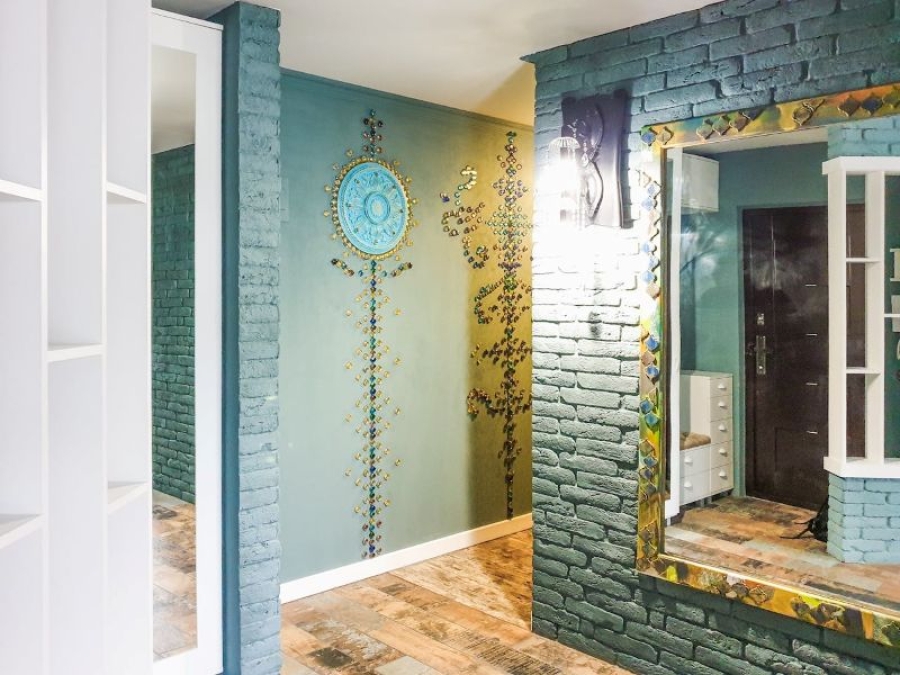
Brick has a long history in homebuilding, and it still turns heads on a quiet street. The look is warm, textured, and classic, which makes many homes feel grounded and permanent.
But every material asks for tradeoffs. Brick can cost more at the start, and it behaves differently from wood, stucco, or fiber cement. Knowing the upsides and downsides helps you decide if it fits your budget, climate, and style.
Timeless Look And Curb Appeal
Brick gives a house instant presence. The color variations and shadow lines add depth that paint alone can’t match. It pairs well with wood, metal, and stone, so you can mix styles without clashing
Because brick does not need painting, the look stays consistent for years. Many owners like that the facade weathers a bit while keeping its character. That slow patina can make new builds feel established.
Design flexibility is broader than people expect. Thin brick, soldier courses, and patterned bonds change the vibe from cottage to modern. Even a single accent wall or a chimney can shift the whole exterior.
Upfront Cost And Long-Term Value
Brick costs more to install than many siding options. You pay for the material and for skilled labor to lay it correctly. In return, you often get fewer repainting cycles and a strong resale appeal.
One homeowner guide reports that full brick siding often lands in the $9 to $28 per square foot range, which signals a premium finish. It’s worth noting that Chief Bricks reclaimed bricks can help control cost and environmental impact for accent areas. Fewer touch-ups can narrow the gap with cheaper claddings.
Brick veneer is another way to get the look at a lower installed price. Industry pricing roundups have placed typical veneer installs around the high single digits to mid twenties per square foot, depending on market and wall details. If you like the texture but need to watch the budget, this path can make sense.
Energy Performance And Comfort
Brick has thermal mass, which helps smooth indoor temperature swings when paired with proper insulation. In hot days and cool nights, the wall can absorb heat and release it slowly. That steadier rhythm can feel more comfortable.
Thermal mass is not a magic shield. You still need good air sealing, quality windows, and insulation behind the masonry. Without those layers, a brick wall can feel cold in winter or warm in summer.
Think in systems, not single materials. Combine brick with a ventilated cavity, continuous insulation, and careful flashing. That design keeps moisture out, reduces drafts, and boosts comfort.
Durability, Weather, And Maintenance
Brick stands up well to fire, pests, and UV exposure. It does not rot, and it shrugs off everyday bumps. With proper detailing, it can last for generations.
Water is the main risk. Mortar joints, weep holes, and flashing need to move water away from the wall. When details fail, you can see stains, cracks, or spalling.
• Inspect mortar and sealants every 2 to 3 years.
• Keep the grade and landscaping below the brick ledge.
• Clear weep holes and gutters so walls can drain.
Sustainability And Sourcing
Brick production uses heat and energy, so the footprint varies by kiln tech and transport. How and where you source the material matters as much as how much you use. Choosing regional supply and efficient plants can cut impacts.
Importing adds emissions from shipping. Reporting on the UK market has shown that hundreds of millions of imported units in a single year can carry a striking carbon cost. That’s a reminder to weigh distance.
Reusing materials changes the math. Salvaged or reclaimed units keep character and reduce demand for new firing. When structure allows, consider reclaimed brick for facades, garden walls, or interior features.
Where Brick Shines And Where It Struggles
Brick is great for low-maintenance exteriors, quiet streetscapes, and homes that want a calm, classic face. It pairs well with dark roofs and metal accents. It suits climates that benefit from thermal mass.
It struggles where budgets are tight, and soil moves a lot. Poor drainage, freeze-thaw cycles, and salt exposure can stress weak bricks and mortar. Good foundations and water management are non-negotiable.
Cost is the other friction point. One national cost guide notes that brick veneer can come in around $8 to $24 per square foot installed in many markets, which is friendly compared to full masonry but still above vinyl or basic fiber cement. If you love the look, plan the budget around high-impact areas first.

Brick’s appeal is easy to see. It is tactile, quiet, and reassuring. With smart detailing and realistic expectations, you can enjoy the look for decades.
If you need the texture without the full price, target the brick for the areas you touch and see the most. A front elevation, entry, or fireplace can carry the feeling across the whole home without straining the budget.