




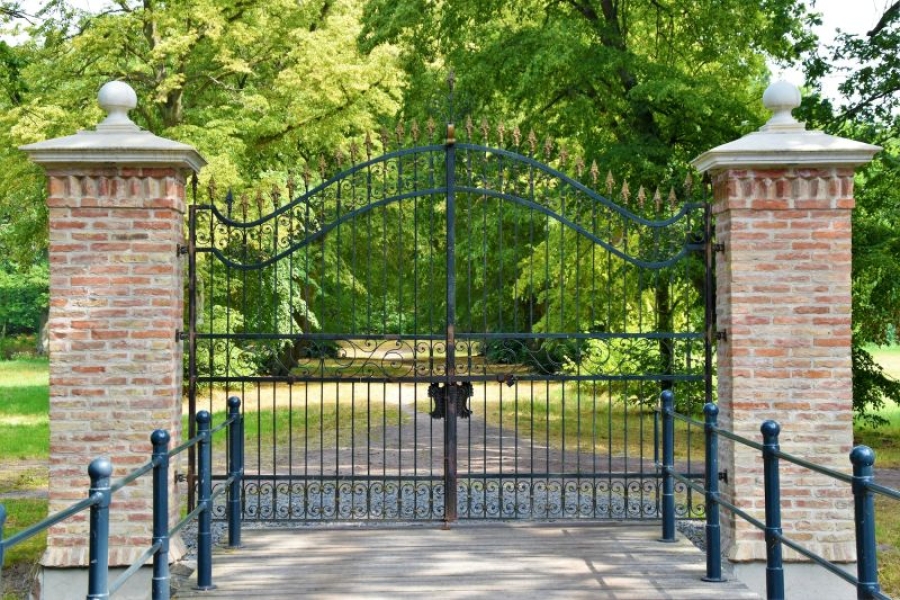
An iron entryway can do more than frame a front door. It can signal quality, raise curb appeal, and add a real layer of security that holds up through years of daily use. The challenge is that “iron” covers a wide range of materials, finishes, and fabrication choices.
Two entryways can look similar on day one and perform very differently after a few seasons of rain, sun, salt, and temperature swings. A smart selection process focuses on durability first, then style, then long-term upkeep.
Define What “Durable” Means for Your Home
Durability starts with context. A townhouse in a dry inland climate faces a different set of threats than a coastal home that sees salt spray, wind-blown grit, and high humidity. Before you compare designs, list the stressors your entryway will face: direct sun, freeze-thaw cycles, heavy foot traffic, pets, or frequent deliveries that lead to constant latch use.
Security expectations matter as much as weather. Property crime trends move year to year, yet break-ins remain a real risk in many areas. FBI-reported data shows property crime fell in 2024, and burglary declined as part of that drop, which still leaves a meaningful number of incidents across the country. A durable iron entryway should resist prying, hold alignment, and keep its lockset working smoothly long after the “new” feeling fades.
Set practical goals early: a finish that stays stable, hinges that do not sag, a latch that closes cleanly, and glazing that suits your privacy and daylight needs.
Choose the Right Iron Build and Gate Hardware
Start by separating “decorative iron” from structural-grade construction. Decorative elements can look great, though durability depends on the frame, weld quality, and hardware far more than scrollwork.
In many builds, a steel frame with properly selected gauge thickness and reinforced corners carries the real load, with ornamental iron layered on top for style. If your entry design includes an exterior gate, learn about metal fence gates as part of the decision, since the same hinge geometry and coating systems often apply across both. A well-built gate closes square, holds consistent gaps, and avoids metal-on-metal binding that chews through coatings. Look for hinges rated for the door or gate weight, with bearings or greasable pins when the design calls for frequent use.
Hardware should match the environment. Coastal or humid regions call for corrosion-resistant components, not bargain hinges that seize after one wet season. Ask what the maker uses for fasteners, strike plates, and lock bodies, then verify that those parts match the grade of the door itself.
Look for Protective Finishes That Match Your Climate
Iron lasts when the finish system matches the exposure. Paint alone can look sharp, yet it will chip, and chips invite rust at the edges. Better systems start with a protective metal treatment, then add primer and topcoat built for exterior abrasion and UV.
Hot-dip galvanizing stands out for long-term corrosion protection. The American Galvanizers Association publishes guidance for estimating “time to first maintenance” based on coating thickness and environment, using a chart approach that links thicker zinc coatings to longer service life. In practical terms, one summary citing AGA expectations notes that even at a minimum 2.5 mil coating thickness, galvanized components can reach decades before first maintenance across common environments, with approximate minimums ranging from about 45+ years in industrial settings to 80+ years in rural exposure.
Powder coating can work well on top of galvanizing, creating a “duplex” system that pairs barrier protection with zinc protection. Ask whether the shop uses proper surface prep, curing temps, and outdoor-rated powders. A premium finish system costs more up front, then saves real money and hassle later.
Prioritize Security Engineering, Not Just Weight
Many buyers assume a heavier door equals a safer door. Weight helps, yet security comes from structure, lock engagement, and the way the frame anchors to the opening. A durable iron entryway should integrate a reinforced strike area, a deadbolt that seats into solid material, and a frame that resists flex.
Look for multi-point locking when the design supports it, since it spreads load across several points. Check how the maker reinforces the hinge side. A strong lock means little if a pry bar can twist the frame away from the jamb. Ask whether the installer uses long screws into framing members, not short screws into trim.
Security can pair with resale value. Industry reporting on remodeling returns continues to show exterior improvements near the top of ROI lists. The National Association of REALTORS® highlights data from the 2025 Cost vs. Value report showing a steel entry door replacement at about 188% cost recovery. That number varies by region and project scope, though it underlines a simple point: buyers respond to a strong, attractive entry.
Balance Glass, Light, and Insulation Without Weak Points
Iron entryways often include glass for light and style. Glass can stay durable, provided you pick the right configuration. Tempered glass improves impact resistance, and insulated glass units help with comfort in hot or cold climates. Laminated glass can add a security benefit, since it tends to hold together after impact rather than shatter into an opening.
The weak link is frequently the glazing detail, not the glass itself. A durable build uses secure stops, quality gaskets, and proper drainage paths so water does not sit against metal. Ask how the shop prevents water intrusion at the bottom rail and around glass edges. Water that gets trapped behind a stop can corrode from the inside out and ruin an otherwise solid door.
Verify Fabrication Details That Prevent Sagging and Rattle
Sagging, rattling, and sticking usually trace back to fabrication and installation choices. A quality iron entryway uses square, true corners and consistent reveals. It uses welds that penetrate, then get cleaned and sealed before finishing. It uses reinforcement where hardware loads concentrate, not thin plate that flexes.
Ask direct, practical questions that reveal build quality:
• What gauge thickness do you use for the main frame and rails
• How do you reinforce the hinge and lock areas
• What hinge type and rating matches this exact door weight
• How do you keep the door aligned after seasonal temperature shifts
A good shop will answer without vague language. Look for a clear explanation of corner construction, internal bracing, and how they control warp during welding. If the design includes sidelites or a transom, ask how the system handles movement between components so one panel does not push another out of square.
Plan Maintenance and Long-Term Ownership Costs
Iron does not demand constant work, yet it does require a routine that fits the finish type. Painted systems need periodic cleaning and spot touch-ups when chips appear. Powder-coated systems need gentle washing and quick attention to scratches. Galvanized systems last long, though they still benefit from occasional cleaning in salt-heavy areas.
Build a simple maintenance plan around the points of wear: hinges, latches, weatherstripping, thresholds, and any moving gate hardware. A durable entryway keeps maintenance simple by using accessible hinge pins, adjustable strike plates, and replaceable seals. Ask the maker what parts you can service without special tools.
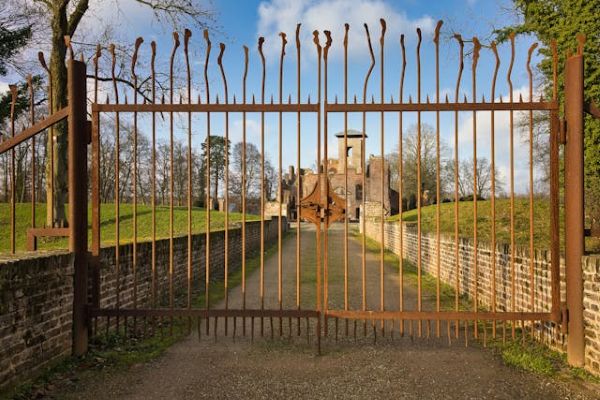
A durable iron entryway starts with a clear definition of what durability means for your home, then builds from proven structure, hardware rated for the load, and a finish system that fits your climate.
Strong security comes from engineering and anchoring, not looks alone. Glass can add light without sacrificing strength when you choose the right glazing and sealing details. Finally, fabrication quality and a realistic maintenance plan turn a beautiful entry into one that stays solid, aligned, and reliable for years.