




In today’s crowded real estate market, getting a listing live is only the first step. Visibility is what drives showings, and showings are what lead to offers. Buyers have more options, more information, and less patience than ever before. If a listing doesn’t catch their attention quickly, it’s forgotten just as fast.
For agents, this means relying on outdated or single-channel marketing simply doesn’t work anymore. The most successful listings are supported by a mix of proven tools—digital and physical—that work together to keep properties in front of the right people at the right time.
Why Visibility Is the Real Battle
Most homes don’t fail to sell because they’re unlivable. They fail because they’re overlooked. With hundreds of listings competing in the same price range, buyers often see only a fraction of what’s available.
According to the National Association of Realtors, 97% of homebuyers use the internet during their home search, making exposure across platforms essential, not optional.
That stat alone explains why agents need more than one visibility tool in their arsenal.
Professional Photography Still Does the Heavy Lifting
Before buyers read a description or check the price, they look at photos. If the images don’t stand out, the listing doesn’t either.
Professional photography isn’t about making a home look perfect—it’s about making it look inviting, bright, and accurate. Good photos:
• Highlight space and flow
• Show natural light correctly
• Create emotional pull
Listings with strong visuals consistently receive more clicks, longer viewing times, and more inquiries.
Video and Virtual Tours Expand Reach
Video has moved from “nice-to-have” to standard practice in many markets. Short walkthrough videos, social clips, and virtual tours allow buyers to engage with a property before committing to a showing.
This is especially valuable for:
• Out-of-town buyers
• Busy professionals
• Competitive markets where speed matters
Video content also performs better on social media, extending reach beyond traditional listing platforms.
Listing Descriptions That Actually Get Read
Many descriptions still read like checklists. While features matter, buyers respond more to clarity and relevance than flowery language.
Strong descriptions:
• Focus on how the home lives, not just what it has
• Highlight upgrades and value drivers
• Avoid exaggeration that leads to disappointment
Clear, honest copy builds trust and reduces wasted showings.
Social Media Is a Distribution Tool, Not a Billboard
Social media works best when it’s treated as an ongoing distribution channel rather than a one-time announcement board. A single post rarely delivers results on its own.
Visibility comes from showing the listing in different ways over time, whether that’s through short video clips, feature highlights, or neighborhood snapshots. Repetition builds familiarity, and familiarity builds interest.
The goal isn’t viral reach—it’s consistent exposure to the right audience.
Email Marketing Still Works When Done Right
Despite newer platforms, email remains one of the most reliable ways to reach active buyers and agents.
Targeted emails with clean visuals and concise messaging often outperform generic blasts. The key is relevance—sending the right listing to the right audience.
Agents who segment their lists by price range, location, or buyer type consistently see better engagement.
The Ongoing Power of Offline Visibility
In an increasingly digital world, physical marketing still plays a critical role—especially locally. Buyers often drive neighborhoods they like long before they book showings.
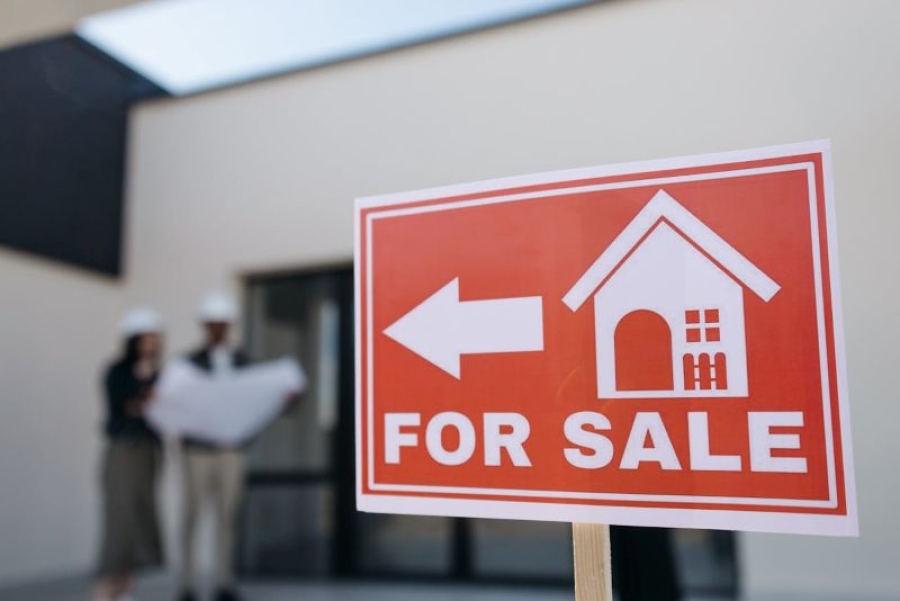
Well-designed yard signs act as 24/7 advertisements. They catch attention from neighbors, passersby, and buyers already interested in the area. A professional sign reinforces credibility and makes a listing easier to remember.
Offline visibility often complements online exposure more than people realize.
Listing Syndication and Platform Optimization
Getting a listing onto major portals is expected, but optimization is where agents stand out. This means:
• Selecting the best primary photo
• Ensuring accurate data
• Updating status promptly
• Refreshing content when interest slows
Small adjustments can significantly impact how often a listing appears in searches.
Data-Driven Adjustments Matter
Visibility tools only work when agents pay attention to how listings perform. Buyer behavior offers clear signals through clicks, saves, showing requests, and direct feedback. When interest slows, it’s often a sign that something needs to change.
Adjusting pricing, refreshing photos, or updating descriptions based on real engagement data keeps a listing from going stale and improves its chances of being seen by new buyers.
Tools Work Best When Combined
No single tool guarantees success. The listings that perform best use multiple channels working together.
One paragraph list example:
Strong visibility usually comes from combining:
• Professional photos and video
• Optimized online listings
• Consistent social promotion
• Targeted email outreach
• Clear offline signage
Each tool reinforces the others, creating repeated exposure instead of one-time impressions.
Avoiding Common Visibility Mistakes
Many listings struggle not because of missing tools, but because of avoidable missteps. Over-edited photos can create unrealistic expectations, while inconsistent messaging across platforms confuses buyers.
Overpricing remains one of the fastest ways to lose attention, and leaving a listing unchanged for too long can quietly push it out of active search results. Visibility works best when marketing stays accurate, aligned, and actively maintained.
Final Thoughts
Boosting a listing’s visibility isn’t about chasing every new marketing trend. It’s about using proven tools thoughtfully and consistently. Buyers can’t act on what they don’t see, and in a competitive market, attention is the most valuable currency.
Agents who understand how to combine digital reach with local presence give their listings the best possible chance—not just to be seen, but to be remembered.