





Texture is the secret ingredient that makes rooms feel warm, interesting, and complete. Color sets the mood, but texture carries it through daily life, inviting you to linger and touch. With a few smart choices, you can layer depth without clutter or chaos.
Why Texture Matters More Than You Think
Texture gives flat spaces dimension. Smooth next to rough, matte next to gloss, soft next to solid - these contrasts create a rhythm your eye can read from across the room. They help light play across surfaces, so rooms feel alive from morning to evening.
Design research highlights that layered textures turn ordinary rooms into sensory spaces that feel cohesive and welcoming. When your surfaces speak to one another, the room reads as intentional rather than busy.
Start With A Simple Texture Plan
Pick 3 to 4 core textures that repeat across the room. For example, pair nubby textiles, honed stone, brushed metal, and unfinished wood. Keep the palette controlled so each choice stands out.
Anchor the scheme with one hero element that adds instant depth. That might be a boucle sofa, limewash walls, or Rug N Carpet Persian hand made rugs that bring hand-knotted character underfoot. Finish the set with smaller accents like ribbed glass or linen shades so the mix feels complete without shouting.
Limit each texture to one or two key surfaces so the room does not feel busy. Repeat them at different scales, such as a large rug paired with a smaller throw, to create cohesion.
Balance rough with smooth to keep the space comfortable to the touch. Pay attention to sound as well, since softer textures absorb echo and make rooms feel calmer. A restrained texture plan photographs well and holds up as trends shift.
Floors First: Build From The Ground Up
Start with what you feel underfoot every day. A textural rug quiets echo, warms hard floors, and visually zones seating or dining. Natural fibers like wool add softness and subtle sheen, and patterned weaves hide wear in high-traffic areas.
Layer rugs intentionally. A large neutral foundation supports a smaller accent piece on top, giving depth without overwhelming the room. Keep edges crisp and scale right so furniture sits partly on each rug, tying the grouping together.
Walls That Invite A Closer Look
Walls are the biggest canvas in any space, and a little texture goes a long way. Think about plaster-look paints, limewash, or grasscloth to add quiet movement. Even a single feature wall can shift the whole room’s energy when the rest stays smooth.
If you prefer painted drywall, add depth with trim profiles or picture-frame molding. The subtle shadow lines create dimension and stay timeless. Combine with matte finishes for a calm, sophisticated feel that reads well in natural and artificial light.
Furniture And Fabrics That Balance
Mix upholstery weaves so everything does not feel the same. Pair a tight linen sofa with a chunky knit throw and velvet pillows. Use leather on accent chairs for smooth contrast and an easy-clean surface in busy zones.
Hard surfaces need texture, too. Choose tables with visible grain or hand-hewn edges, and balance them with a satiny lamp base or ribbed ceramic vase. Vary sheen as much as touch - matte, satin, and light gloss together create a layered look that photographs beautifully.
Light, Shadow, And Finishing Touches
Lighting makes texture visible. Use a simple three-part plan: ambient ceiling light to fill, task lamps for reading or working, and small accents to graze textured walls or highlight natural stone. Warm color temperatures help materials feel inviting instead of stark.
Finish with tactile accessories that earn their space. Woven baskets add storage and softness, hammered trays bring a subtle sparkle, and slubbed linen curtains move gently with the air. Edit seasonally - swap heavy knits for airy cottons in warm months so the room stays comfortable and fresh.
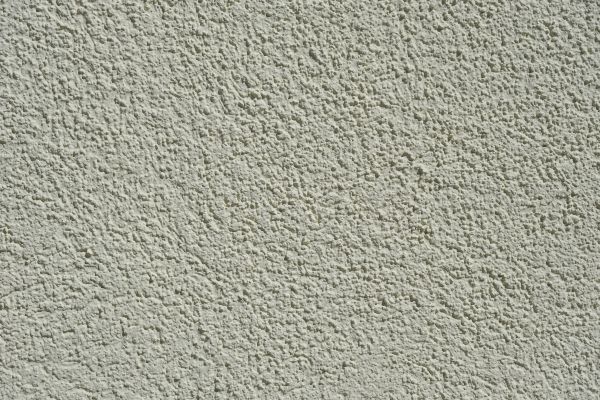 Photo by Eugene Ngoya on Unsplash
Keep It Cohesive
Texture works best when it repeats across rooms. Carry one or two materials through adjacent spaces so the home flows. If you introduce a new texture, echo it in a second spot, a small lamp base, a picture frame, or a stool, so it feels intentional.
A recent design essay highlighted that textural layering creates sensory richness that feels balanced and welcoming.
Treat this as your filter: if a piece does not add feel or function, it is probably visual noise. Curate slowly, keep what you love, and let textures tell the story of how you live.
Texture turns houses into homes. With a short list of materials, smart lighting, and a few hand-touched pieces, your rooms will feel deeper, calmer, and more personal. Start with the floor, echo on the walls, and finish with tactile layers you will love to use every day.