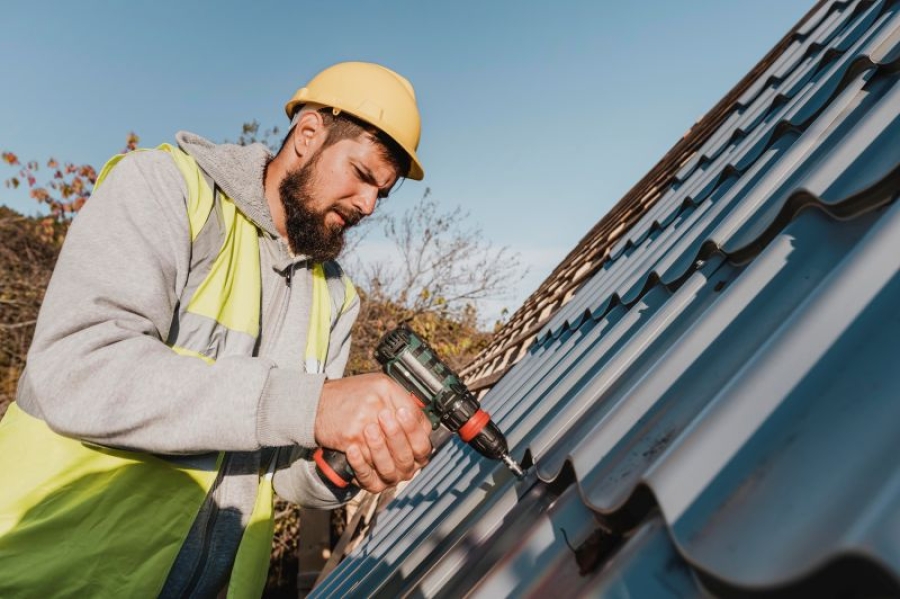
A roofing project is a nightmare for most homeowners. It is among the most expensive yet the most important components in a house, which most individuals are not even aware of, how to build, change, or even fix the roof. Become overwhelmed with adding the new lingo, bids by San Francisco roofing contractors, as well as time stress when breaking pipes or hurricanes. Reflectively, the majority of the homeowners regret that they were not aware of a few key facts when the construction work was undertaken.
This guide takes you through the lessons that will keep recurring to you so that when you finally get your first roofing project, you will go into it confidently and clearly.
Choosing the Right Roofing Material for Your Home
Among the first choices homeowners have to make is selecting a roofing material, which is often more challenging than choosing a color. Both choices have trade-offs that influence the cost, life cycle, and performance. Homeowners tend to wonder before making the decision that they should have taken into consideration some of the following:
• The climate and weather of the place.
• Slope and structural support of the roof.
• Lifespan desired of the material.
• Maintenance requirements
• The effect of energy efficiency and insulation.
The selection of the appropriate material will be a matter of a combination of aesthetic, functionality, and durability, rather than immediate sensation.
Budgeting Beyond the Initial Quote
The price quoted when hiring a roofing contractor is not usually the final price; many first-time homeowners assume that the price is fixed, but with roofing projects, some variables may alter the price. The average cost to replace a roof in an American home is approximately $11,500. The cost can be supplemented by hidden repairs under old shingles or the improvement of the ventilation. Expenses that are usually incurred are:
• Deck replacement: When the deck is rotted, it must be replaced.
• Disposal and cleanup fees
• Permit and inspection costs
• Improvements in ventilation or insulation.
Seasoned homeowners suggest that a person should put an additional 10-20 percent of the project cost as a contingency fund. This buffer will save the financial stress in the case of unforeseen problems when the work has started.
How to Vet Roofing Contractors Properly
The selection of a contractor is, perhaps, the most significant of all the steps that need to be taken in the whole process. Most people who choose a roofer are very unhappy because they have chosen the lowest bid or a snap recommendation. A background check does not just require a quick phone call. Intelligent homeowners are the ones who take time to:
• Look at new online reviews, not only testimonials.
• Request references of related projects.
• Check experience with the selected roofing material.
• Bring up concerns of communication and professionalism.
By giving clear explanations, detailed written estimates, and regular communication, a reputable contractor, like RoofWorx, can be singled out. It takes a long time to build trust, even before the first shingle is laid.
Understanding Contracts, Warranties, and Fine Print
Contracts could be daunting, but they secure the two sides.
Pay close attention to:
• Listing of the scope of work and materials.
• Timeline and milestones of the project.
• Installment and deposits.
• Cleaning and garbage collection.
• Warranty of the manufacturer
• Workmanship warranty
Later, so many homeowners regret not having clarified the warranty terms in their minds, rather than thinking that everything was covered.
Preparing Your Home and Family for the Project
Roofing is a noise pollutant, disruptive, and sometimes stressful. The novices in the real estate business are usually astonished by the extent of preparation involved. Cleaning up driveways, guarding landscaping, de-wall decoration, or de-cat and child planning can all be included in the process.
During the construction of the house, the sound of hammering can pass through the walls and the ceiling. There can be some materials and garbage on the outside that can temporarily restrict access to some places. Planning homeowners are much less inconvenienced and feel more in control during their project.

Common First-Time Mistakes Homeowners Make
There are a lot of such traps when it comes to the first roofing project that a homeowner undertakes. Making these mistakes is something to learn to conserve time, money, and stress. Frequent errors include:
• Leaving repairs to last until the damage is severe.
• Trading prices and experience rather than quality.
• Not checking on insurance and licensing.
• Failure to put everything in writing.
The key to the prevention of such mistakes usually lies in asking more questions and preventing the desire to hurry up to make decisions.
After the Job Is Done: Final Steps Many Forget
When the roof is finished, one would want to consider the project complete. Nevertheless, several key steps can be followed upon that are not considered by many homeowners. These are the last roofing project tips in safeguarding the investment and maintaining the peace of mind:
• Carry out the final contractor inspection.
• Make sure that all debris and materials are cleared.
• Warranties on registers, where necessary.
• Enquire about the maintenance and inspection schedule.
Organizing photos and paperwork can also prove to be invaluable in case some problems occur in the future.
Conclusion
Although not a roofing project is a completely stress-free endeavor, preparation and knowledge are also great in eliminating uncertainty. Through experience and following roofing project tips, homeowners will be able to make a big home repair into something easy to handle and make an informed decision- one that will last them for years to come.