




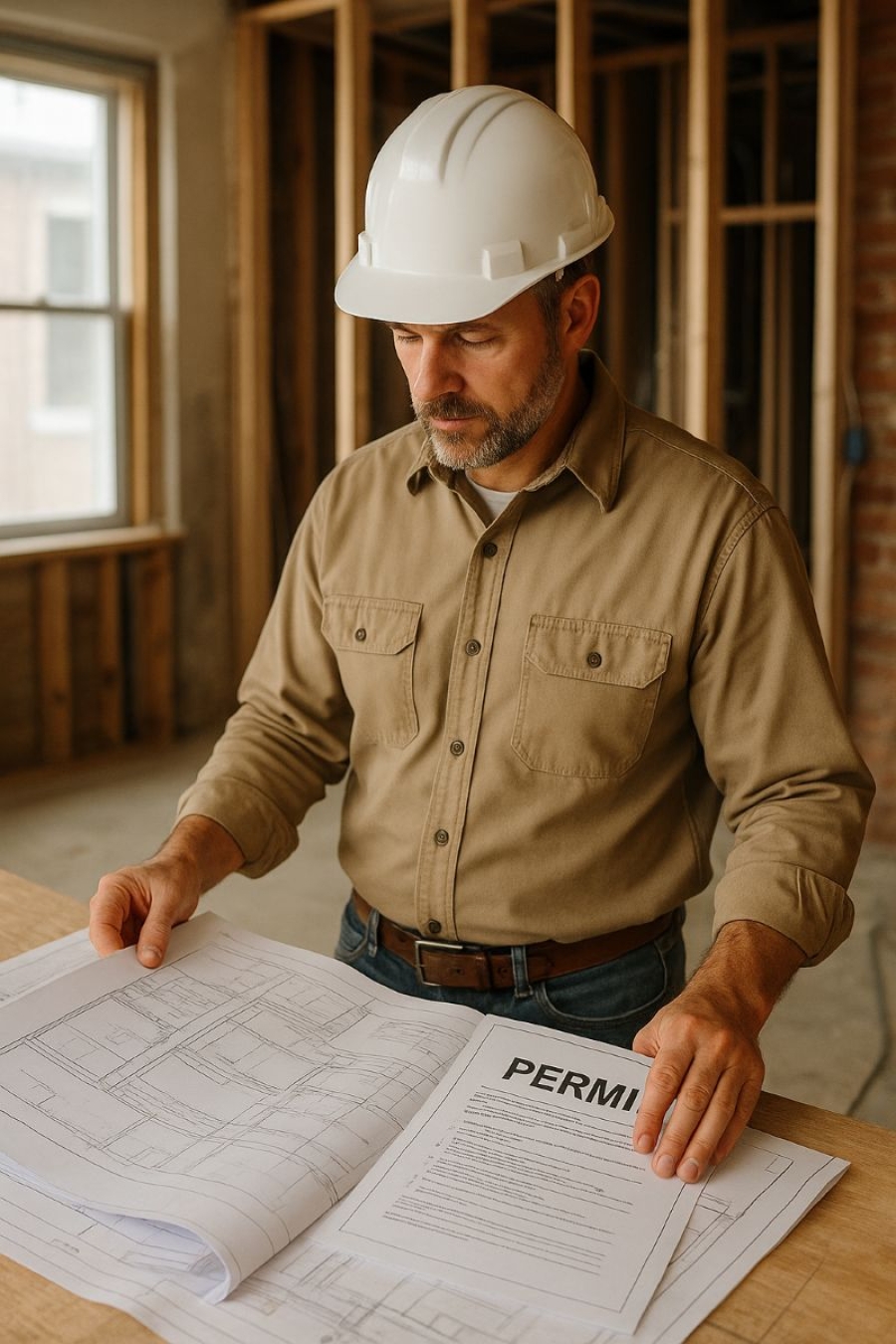
Home renovations can transform a house into a more functional, comfortable, and valuable space. Yet before any work begins, homeowners should understand the legal and procedural details that protect their investment. As an experienced general contractor, I have seen many homeowners encounter costly issues because of unclear contracts or missing permits. A clear understanding of both is essential for a smooth renovation process.
Why Contracts Matter in Renovation Projects
A renovation contract is more than a simple agreement to complete a project. It defines responsibilities, costs, timelines, and expectations. A strong contract builds trust between the homeowner and contractor. It should clearly state what work will be done, what materials will be used, and how unexpected issues will be managed.
Vague contracts often lead to confusion or disputes. If material quality or completion dates are not specified, misunderstandings can easily arise. By establishing detailed terms from the start, both parties can avoid frustration later.
When hiring a general contractor, make sure the agreement includes:
• Detailed scope of work: Describe exactly what will be done, including materials, finishes, and labor.
• Payment schedule: Divide payments into milestones tied to progress, not arbitrary dates.
• Change order procedures: Establish how modifications will be documented and priced.
• Start and completion dates: Set realistic timeframes and include conditions for delays such as weather.
• Warranties: Define what is covered for workmanship and materials after completion.
The Role of Permits in Home Renovation
Building permits are essential for ensuring that renovation projects comply with safety standards and local regulations. They confirm that work meets structural, electrical, plumbing, and fire safety codes. Homeowners who skip permits risk fines, stop-work orders, and problems when selling the home later.
Major renovations that affect a building’s structure, wiring, or plumbing usually require permits, while smaller updates such as painting or flooring may not. Always verify with your local building department before beginning any work. According to the U.S. Census Bureau, home improvement permit applications have steadily increased in recent years, showing that more homeowners recognize the importance of compliance.
Common Types of Permits You Might Need
• Building Permit: Required for structural changes such as additions or removing load-bearing walls.
• Electrical Permit: Needed for wiring, circuit panel, or lighting upgrades.
• Plumbing Permit: Covers installation or relocation of pipes, drains, or fixtures.
• Mechanical Permit: Required for heating, ventilation, or cooling systems.
• Zoning Approval: Ensures the project meets setback, height, and land use regulations.
Each municipality sets its own rules. A licensed contractor can help determine which permits apply to your project and ensure they are properly filed.
Verifying That Your Contractor Handles Permits Correctly
Not every contractor assumes responsibility for obtaining permits, so clarify this during your initial discussions. Ask who will apply for them, who pays the fees, and when they will be displayed. A reputable professional typically manages this process to save homeowners time and ensure accuracy.
Keep copies of every permit and inspection report. Many cities now provide online databases where you can check application status and inspection updates. Monitoring these records helps ensure your project remains compliant at every stage.
Avoiding Common Contract and Permit Mistakes
Even well-planned projects can face setbacks. Here are several common mistakes homeowners make and how to avoid them:
1. Signing too quickly: Take time to review every part of the contract before signing.
2. Not confirming licenses and insurance: Verify your contractor’s credentials with state licensing boards.
3. Ignoring permit rules: Starting work without authorization can lead to fines and project delays.
4. Lack of communication: Schedule regular updates to discuss progress and next steps.
5. Skipping final inspections: Always complete the final inspection before making your last payment.
Why Hiring a Professional Matters
Managing a renovation project on your own can be overwhelming. A qualified general contractor understands building codes, oversees subcontractors, and coordinates every step from permits to final inspection. They can anticipate potential challenges, suggest efficient solutions, and ensure the project meets safety and quality standards.
Whether you are remodeling a bathroom, upgrading a kitchen, or expanding living space, working with a professional contractor helps protect your investment and ensures compliance with local regulations while achieving durable, high-quality results.
Final Thoughts
Renovations are exciting, but success depends on more than design and materials. Understanding contracts and permits is essential to protect yourself legally and financially. A clear contract and proper permits provide transparency, accountability, and peace of mind.
Before starting your next home improvement project, review all documents carefully and partner with a trusted contractor who can guide you through the permitting process, ensure compliance, and deliver results that add lasting value to your home.