




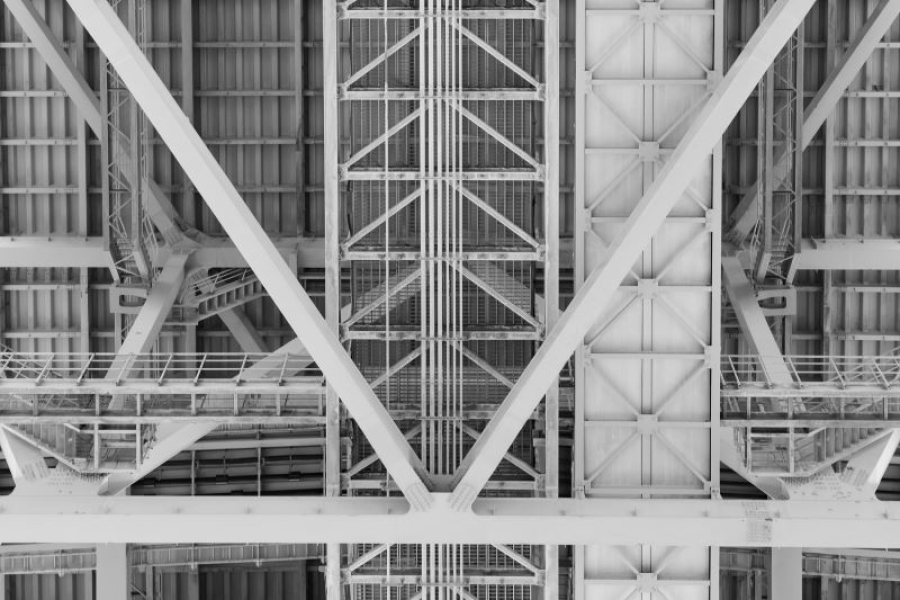
The steel used in construction plays a role in building projects due to its flexibility and durability characteristics, which are essential for sustainability and safety requirements in the construction industry. Moreover, the shapes of structural steel have a significant impact on how safe and efficient a building project can be executed, highlighting their crucial role in different construction scenarios.
Variety of Functions in Architectural Design
Various types of structural steel shapes have different functions to fulfill requirements in construction projects. W beams and H beams are known for their load-bearing capabilities and are commonly used in constructing tall buildings and bridges. On the other hand, L-shaped angles provide support for floor joists and roof trusses. The distinct roles played by these steel shapes make them essential components in a variety of construction fields.
Enhancing Structural Integrity
Steel shapes bolster structural integrity. Structures must withstand various stresses, including bending, compression, and tension. Properly selected steel shapes ensure buildings endure these forces. For instance, I-beams, with their high resistance to bending, maintain structural stability even under heavy loads. Meanwhile, T-sections provide lateral support, enhancing a structure's overall sturdiness. The right steel shape choice can significantly enhance a building's durability.
Optimizing the Utilization of Space
Architectural designers and engineers frequently encounter the task of maximizing space in their projects. They often rely on utilizing steel shapes to make the most of areas while maintaining structural integrity. One effective solution they turn to is the use of sections (HSS). With their tubular structure offering strength-to-weight ratios, these sections allow for sleeker columns that can free up interior space. Moreover, these shapes facilitate floor plans, making it easier to incorporate imaginative architectural concepts.
Enabling Rapid Building
Efficient use of time is key in construction ventures. Steel structures play a role in expediting the building process. Producing these parts off-site guarantees accuracy and uniformity. Assembling them on location becomes simpler and quicker. Additionally, the strength of steel covering spans minimizes the need for support systems. This leads to project completion rates that are advantageous for all involved parties and help cut down on expenses.
Advocating for Sustainable Methods
In the realm of construction, sustainability has emerged as an issue. The use of steel shapes plays a role in promoting environmentally friendly practices. Steel is known for its recyclability, which helps in cutting back on waste and preserving our resources. Additionally, its strong durability means frequent repairs or replacements are needed. When designed efficiently with steel shapes, structures tend to be energy efficient, leading to reduced energy usage for heating and cooling purposes.
Affordable Options
Economic factors play a role in the choices made during building projects. Steel shapes provide options for constructors and property developers. Their durability allows for material use, cutting down on material expenses. Moreover, the extended lifespan and minimal upkeep needs of steel buildings also bring down expenses. By picking the shapes, building experts can reach cost-effective, top-notch results.
Navigating through Challenging Settings
Various locations bring forth obstacles in building projects. The design of steel structures adjusts to diverse circumstances like zones or coastal territories or areas to strong winds. Tapered beams serve the purpose of spreading loads and offering stability in places of earthquakes. Additionally, the application of coatings that resist corrosion on steel structures guarantees longevity in different regions. This flexibility renders steel an option for varied environmental settings.
Nurturing Creative Concepts
Design innovation flourishes with creative expression at its core, and steel structures give architects the freedom to explore design frontiers. Curved beams are a prime example of this, enabling the creation of intricate and visually appealing buildings. The flexibility of steel shapes paves the way for inventive architectural concepts. Embracing these unique shapes empowers architects to craft timeless structures that showcase human creativity.
In Summary
The significance of steel shapes in construction is undeniable. They play a crucial role in enhancing structural integrity while supporting sustainable practices in various ways. They also offer cost solutions and adapt well to different environments. Furthermore, the importance of these shapes is emphasized by their role in enabling designs. Construction experts can ensure the success of projects that meet requirements by recognizing and leveraging the potential of steel shapes.