




Have you got an older home or a home that is in need of a renovation? Or do you want to update your walls? One way to do this is to D.I.Y. solid plastering. Plastering is fairly straightforward but it is a delicate process and if it is a bigger job it is probably better to hire a professional plasterer to make sure the results are consistent.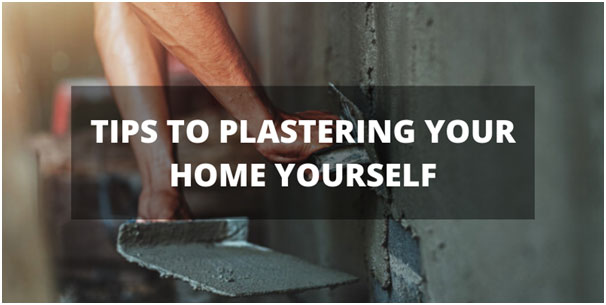
There are many occasions when can consider plastering your home but you should especially consider replastering your home when the current plaster is showing the following problems. Not replastering your home may mean future and more expensive problems further down the track.
Cracks
Cracks can appear for a number of reasons. Often cracks are a result of the plaster pulling away from the wall or if it is a newer home that the foundations are unsettled.
Stains
Stains and discolorations are usually the results of water damage occurring within your walls. Most discolouration will take a few weeks to appear, hence when it does appear you will also need to find and fix the leak as well.
Loose Plaster
Loose plaster when tapped may feel springy or appear to be a little bloated, this means that your plaster has detached from the wall or its backing.
Cracked Ceilings
Cracked ceilings are usually the result of a structural movement that may have occurred due to the moving of foundations in natural disasters or may be due to bug infestation that may need to be dealt with.
When plastering your home as mentioned it a delicate process that requires a meticulous following of the instructions. Here are some guidelines that can help with the plastering of your home, however it is also suggested that you follow the instructions listed on the plaster bag if you are doing it yourself.
Step 1 Gather Everything You Need
Having your materials prepared is a very important step to replastering your home as often plastering a time-sensitive procedure.
Equipment that is needed for solid plastering include
- Clean Bucket
- Scrim Tape
- Quality Paint Brush
- Trowel
- Hawk
- Hammer
- Cold Chisel
- Cleaning Materials i.e. broom or mop
- Spray Gun
- Water
Step 2. Prepare the Wall
When plastering your wall you need to be well-prepared before you even start mixing the plaster to ensure the best results when completing this renovation. Preparing the walls for plaster include demolition (if necessary) and the removal of artwork, railings and skirting boards. Additionally, it is a good idea to clean your walls before plastering to avoid the potential of bubbles occurring.
Step 3. Remove any old plaster
Particularly if you are replastering an already plastered wall, you will need to remove any old plaster to avoid mechanical damage either during the plastering processor in the future. Chances are that you are replastering the wall or ceiling due to damage anyway. To remove the old plaster strike the centre of the top plaster until you see the wooden framing behind it also known as lath. Then slowly hammer and pull away, making sure not to damage the lath.
Before taking up the next step ensure that your space is entirely free of debris and is as clean as possible to ensure an even finish for your walls.
Step 4. Mix the plaster
When mixing the plaster always follow the instructions and mixture measurements. Add the plaster to the water gradually to create that creamy consistency and reduce the likelihood of lumps. Every time you mix the plaster make sure your bucket is clean and dry because if you fail to do this your plaster may set too quickly and have lumps. Furthermore, if you are plastering warmer weather it is advised that you mix the plaster in smaller portions to prevent the plaster from setting in the bucket.
Step 5. Two coats: the first and the final coat
It is essential to use at least two coats of plaster to ensure a smooth finish and structural wall. In the first coat of plaster, you should press the plaster into the wall and work in small areas and distribute evenly in a circular motion. Allow this coat 20 minutes to dry before considering the second coat of plaster. If you want to improve the drying method open up your windows and doors but make sure they are screened so that you don’t let large particles such as dirt and dust affect your work. The second and final coat is to ensure that your plastering is smooth, this coat does not need to be as thick as the first coat but will need to ensure that the wall is even.
Step 6. Drying
It takes about 45 minutes for the plaster to dry complete but it is best to leave your plaster untouched for a couple of hours. After it is completely dry, use a spray gun full of water and a trowel to check your plastering for holes and ensure that it is a smooth surface.
Step 7. Decorate
Now is the exciting part, after repairing your plaster you can now decorate your new walls any way you like. Often plaster is decorated with floor to ceiling wallpaper or paint. When decorating your new walls make sure to prime the walls so that the paint or wallpaper doesn’t soak or damage your new plaster.
Hopefully, this has helped you understand how to replaster your walls and whether you should be plastering your walls or hiring professional plasterers to do the job for you.