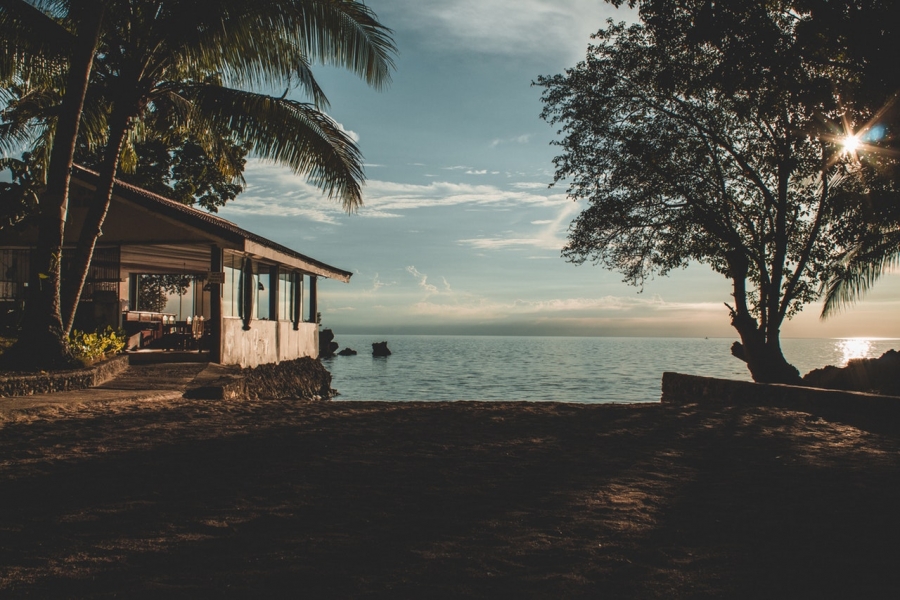
Protecting Your Caribbean Properties
With the increase in frequency and severity of extreme weather, reviewing your property’s storm readiness can save lives and money.
There are several key factors to consider when buying residential or commercial property in the Caribbean, including the delivery of supplies and equipment from a mainland port, which takes time and additional expense. Sometimes government grants or tax incentives are available for various upgrades, so check with your local emergency management office for assistance.
Read on for more details.
Power
Access to electricity when the rest of the island is down can be a critical necessity for communication, food storage, sump pumps, medical equipment, and climate control. Solar power is one option, although it is likely to be damaged or destroyed in a powerful hurricane if the roof is compromised or removed by high winds.
Buildings with imported
diesel-powered generators fare well during storm recovery, especially if you have well-protected backup diesel fuel storage and the unit is well above potential storm surge levels. A safety enclosure should be built around the unit to prevent debris from damaging the generator.
Water infiltration
Depending on the island’s geography, you may have a variety of threats from water during a hurricane or tropical depression. Storm surge is one of the deadliest variables and the height may vary throughout the day on some islands as the tides change.
Mountainous islands are at risk for flash floods, mudslides, and rockfalls. So keep in mind that a retaining wall may need to be built both in front of and behind your property depending on where the water is most likely to flow.
Many homes are being raised on stilts, with a garage or storage level on the first floor. Stilts need to be sturdy enough to withstand debris impact, and the building above will be subject to a different kind of wind load than those at slab grade. New buildings and retrofits are increasingly being built to withstand
Saffir-Simpson Category 5 winds using International Code Council’s standard ICC 500, so look for builders and engineers familiar with this code.
Wind damage
Many residents use plywood to cover windows and vulnerable areas of a building prior to a hurricane. Supplies quickly run out on an island, so the best time to stock up on plywood, lumber, and other storm prep supplies is early in the year before hurricane season.
Storm shutters are an attractive and reusable alternative to plywood, and impact-resistant windows and doors can significantly improve the safety of the structure. Preventing damage to windows and doors can help the entire structure stay intact due to the buildup of pressure in a compromised home that can cause the roof to lift off and walls to collapse.
The Insurance Institute for Business and Home Safety has created a
fortified home standard that itemizes storm-resistant features, which can not only add value to your property, but might reduce your insurance bill. Maintaining the integrity of the roof is crucial, and many builders choose metal roofing with special clips and attachments to achieve the highest level of protection, but even asphalt shingle roofs can be fortified.
Other considerations
Utility lines can rupture, and power surges can cause fires and damage to appliances and property. Surge protection equipment and ample fire safety equipment is a must during severe weather. First aid kits, bottled water, batteries, and non-perishable food should be inspected and refreshed periodically, watching expiration dates and storing items in cool, climate-controlled areas.
Clean water and standalone restroom facilities are often in high demand while public utilities are being repaired, so analyze your property for placement and storage of items necessary for recovery in the aftermath. Begin planning six months prior to the start of hurricane season to ensure deliveries and special orders arrive in plenty of time for installation.