Do you know about second-hand asbestos poisoning? Sure, you’re familiar with second-hand smoke, but this might be something you haven’t heard of before. It’s a simple concept to understand, and could be just as dangerous. Thankfully, asbestos removal in Auckland can tell you everything you need to know about second-hand asbestos poisoning.
What Is Second-Hand Asbestos Poisoning?
Second-hand asbestos poisoning means being exposed to asbestos without having asbestos nearby. Therefore, you don’t need to have asbestos in your home or office to be affected by it.
This isn’t new. In fact, it started becoming prevalent as soon as people began mining for, using and building with asbestos. Second-hand asbestos poisoning refers to a person being exposed to asbestos without their knowledge because someone close to them is carrying the fibres on their clothes, belongings, or skin. Unfortunately, these people aren’t aware that they’re being exposed to asbestos until it’s too late and they’ve fallen sick with a related illness.
What Your Family Needs To Know
People who work directly with asbestos – such as asbestos removal specialists, or people in the construction and automotive industries – are at the highest risk of primary asbestos poisoning. However, they know of the hazards. The people around them, such as friends and family, could be exposed to asbestos fibres that have settled on their skin and clothing without knowing about it.
If you work around asbestos, your family should be aware of the risk, so that they can protect themselves and stay healthy. It’s also known as ‘home exposure’ because people who work in the asbestos removal industry can carry the fibres into their homes after work every day.
How Does Second-Hand Asbestos Poisoning Happen?
You can get second-hand asbestos poisoning in several ways, but all of the ways occur because fibres have been transferred from one person to you, somehow. Asbestos dust can shift from one place to another in the following ways:
- Fibres attached to the hands, hair, tools, and skin of a worker that fall off when they leave the workplace.
- An asbestos worker embracing family members or friends while still wearing contaminated clothing.
- Contaminated clothing being shaken out or laundered with uncontaminated clothing.
- Spending time outdoors nearby an asbestos mine or asbestos that’s been disposed of incorrectly.
Unfortunately, asbestos fibres can be transferred from one place to another incredibly easily. Each fibre is microscopic, so you can’t see it with your bare eye. It’s lightweight, which means it’s effortless for it to become airborne and settle somewhere else. As it doesn’t have a taste or smell, this means that if your family is surrounded by asbestos fibres, they’ll have no way of knowing.
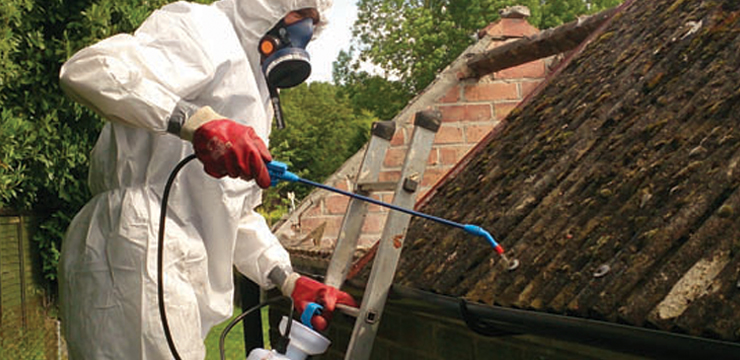
For this reason, people who work with asbestos are instructed to wear protective gear that’s discarded immediately after use. That way, there’s a lower chance of their family members developing second-hand asbestos poisoning.
How Dangerous Is Second-Hand Asbestos Poisoning?
Unfortunately, the effects of second-hand asbestos poisoning might not show up for many years – even decades. However, the consequences are still disastrous. If you or a family member is exposed to second-hand asbestos, they can contract asbestosis and mesothelioma. Both are asbestos-related illnesses and are both incurable and fatal. Asbestos poisoning can also put a person at risk of getting other forms of lung, gastrointestinal, and ovarian cancer.
Are You At Risk?
Unfortunately, because the threat of asbestos is still so prevalent in Auckland, everyone’s indirectly exposed to asbestos at some time in their lives; however, it could only be a tiny amount. If you’re concerned about being exposed to second-hand asbestos, here are a few questions to ask:
- Do you live with someone who works in an asbestos-related industry? Have you lived with someone like this in the past?
- How could you have been exposed? By touch, clothing, shared living areas, etc?
- How often were you exposed?
- Were you exposed to asbestos multiple times, or in multiple instances?
Were you exposed to asbestos during childhood? Did an older family member work in a mine or the construction or building industry? Did you live near an asbestos mine when you were younger?
Can Second-Hand Asbestos Poisoning Be Prevented?
Fortunately, it’s possible to avoid second-hand asbestos poisoning. The following tips will help your family stay free from asbestos poisoning:
- Before you leave work every day, shower thoroughly and change your clothes
- Don’t store your work clothes together with your casual clothing.
- If possible, launder your work gear at your place of work.
- Store your work clothes and tools where it won’t contaminate your family, or where it’s not accessible by children or pets
- Get yourself and your family into the habit of washing your hands regularly
What To Do If You’ve Been Affected By Second-Hand Asbestos Poisoning?
If you work with or around asbestos, make sure to visit the doctor regularly. Your family should also be tested frequently, as asbestos-related illnesses can be caught early. Some of the signs, such as shortness of breath and coughing will be overlooked, but if you go to the doctor regularly, these things can be caught and treated before they advance. If these symptoms arise, you’ll need to get chest x-rays or a CT scan to view the condition of your lungs.
Can You File A Case If You get Second-Hand Asbestos Poisoning?
The good news is that yes, you can make a case against an asbestos company if you contract asbestos-related illnesses. If the company that you or your loved one works for hasn’t been committed to safe work practices that have caused you or someone close to you to become ill, then they’re liable for malpractice and creating an unsafe working environment. If the risk was foreseeable, and therefore preventable, then you’ll come out on the winning side in a court case.
Conclusion
Most people are aware of the dangers of asbestos; however, they don’t always think about second-hand asbestos poisoning. The fact that asbestos is so dangerous that it can transfer to other people, children and pets through touch and clothing, means that it must be dealt with the utmost care, with safety kept as a priority. Asbestos removal experts in Auckland will tell you everything you need to know about second-hand asbestos poisoning so that you and those close to you will be safe and healthy.