




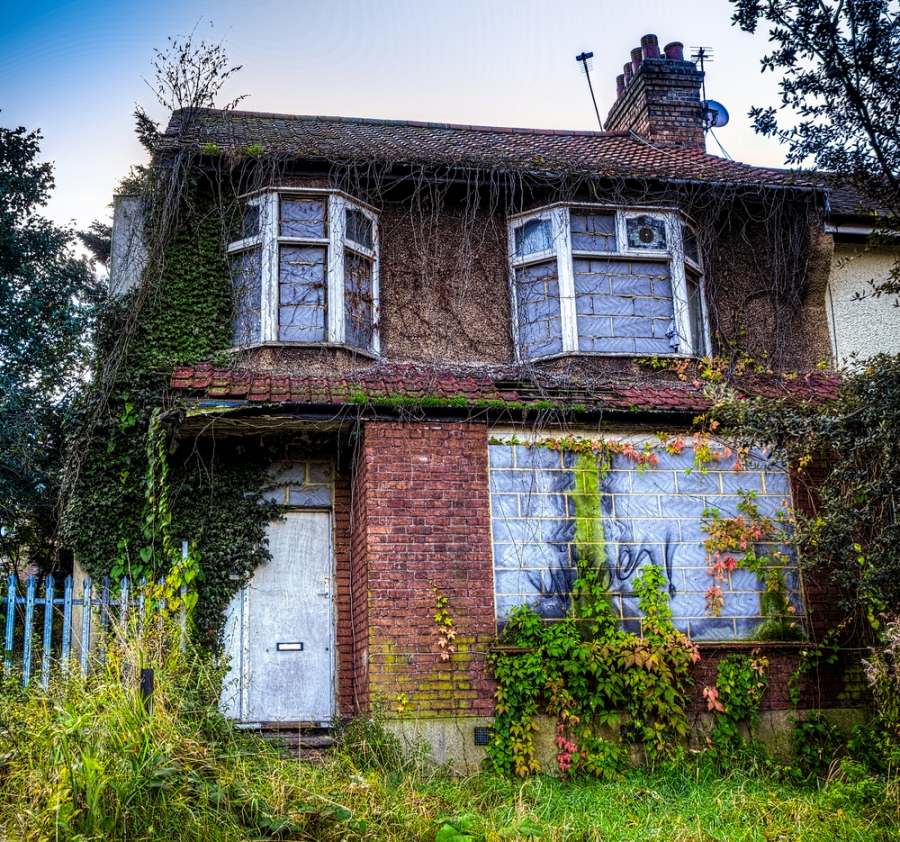
This year, the multi-billion dollar landlord Waypoint Homes gained media attention for its alarmingly high rate of occupant complaints, resulting in an investigation by ABC News. Waypoint Homes, however, is only the tip of the iceberg: more and more renters across America are getting fed up with the same issue: rent without repairs.
So what should tenants do if something is wrong?
1. Call your landlord.
Pick up the phone and call your landlord. Do not text him or her, as ideas are easily misconstrued through instant messaging. Instead, have a pleasant conversation about the issue and what could be done to fix it.
2. Send a letter or email.
This is a fantastic way to get a landlord’s attention and to avoid any future liability for wear and tear on the premises. Keep records of all documents sent to your landlord in case of a lawsuit, and give your property-owner at least 30 days to attend to the issue unless it is an emergency.
3. Check for tenant support groups.
Many areas have support associations. The members will know the ins and outs of the area, and someone is sure to have the knowledge necessary to help you.
4. File a complaint with the company’s management.
If your landlord is a company employee, someone may simply not be doing his or her job. Call the company itself and ask to speak to someone in management about the situation.
5. Report a code violation.
Call 311 to report a house code violation. The number is supported in most cities across the US and Canada.
6. File a complaint through SeeClickFix.
SeeClickFix is an app that was birthed from the success of 311. Users can input service requests and complaints. The app has provided an easy way for government officials to track requests and complaints across the nation.
7. Check your state laws.
Some states, such as California, allow residents to deduct repairs from their monthly rent. This must be done carefully or tenants may pay out of pocket for repairs without any later reimbursement. Such tactics should only be considered if the issue at hand affects the habitability of the residence.
8. Seek mediation.
Some cities offer mediation services. Members will contact your landlord and request he or she attend a session. There, you can sit and discuss matters with a neutral observer.
9. Go to court.
If all else fails, you can take your landlord to court. This is only advisable in dire circumstances.
It is important to note that all landlords are not evil sociopaths laughing maniacally in a swiveling chair. Most are eager to help. After all, landlords lose money, too, if the residence goes without repairs. “Ignoring necessary maintenance causes undue stress for landlords and tenants,” claims Laurence B. Green, Attorney and Co-Founder of Berger and Green. “Something as simple as a leaky radiator can lead to mold, which can result in health problems. That doesn’t help anyone.”