




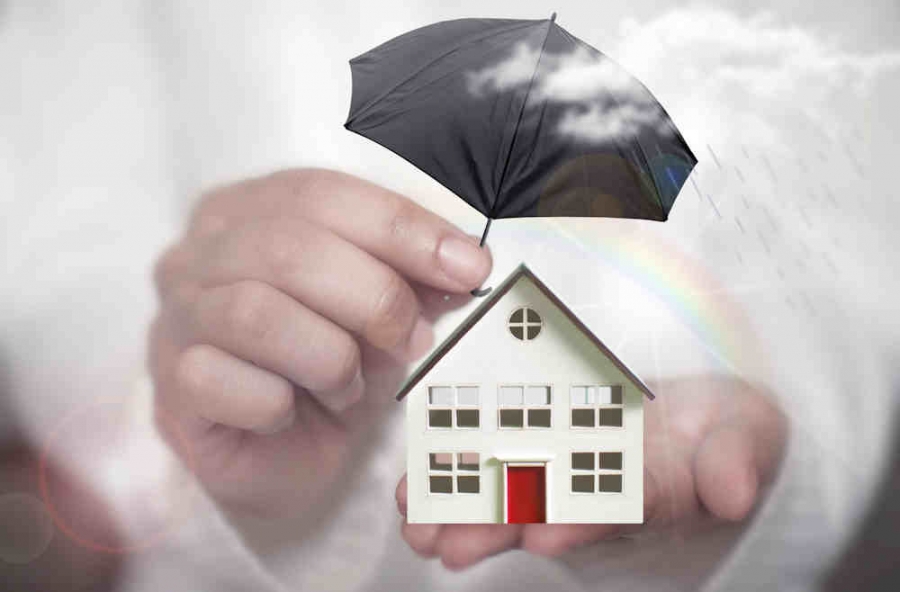
Weather is a powerful force that can threaten to destroy your most valuable asset: your home. Fortunately, while weather patterns are far beyond our control, protecting our valued property is not entirely up to the elements.
For homeowners in extreme weather zones, mitigating weather damage is essential, since it not only helps increase your property value and reduce your insurance premiums but also makes you and your family safer. For homebuyers, local weather is worth considering, since it could require you to invest considerable resources into protecting your future home.
1. Understand local weather patterns
While 72% of homebuyers believe climate risks should be disclosed during the buying process, it's completely up to you to determine whether or not the local weather is a threat. To find out what you're up against, check to see if the property is in any of these at-risk areas:
Floodplains
Coastal hurricane or erosion areas
Tsunami or seiche inundation zones
Earthquake country
Extreme heat zones
Wildfire territory
If you already own a home, stay aware of real-time threats by downloading the FEMA mobile app to get weather alerts. There's also a chance you'll get automatic alerts from the Emergency Alert System (EAS) or Wireless Emergency Alert (WEA).
2. Look into your resources
Before making big purchases or changing the physical structure of your home, check with local government agencies to see if they have mitigation plans, suggestions for homeowners or funds to help protect homes in your area.
There's a chance you could be eligible for some of the following resources to help with your weather-related upgrades or repairs, depending on where you live and your household income:
- State-based programs like California's Low-Income Weatherization Program (LIHEAP)
- The U.S. Department of Energy's (DOE) Weatherization Assistance Program (WAP)
- The USDA's Single Family Housing Repair Loans & Grants
4. Carry proper insurance coverage
Take inventory of your valuables and document their condition with photos and written descriptions. Doing so will help ensure you can carry the right amount of homeowner's insurance coverage for the weather conditions you'll face.
When you choose your insurance plan, keep in mind that homeowners insurance might not protect you against the weather risks specific to your area. According to FEMA's insurance guidance, it usually protects your home, external structures like your garage and fence, plus some weather-related perils such as falling objects, wildfires and hurricanes. But depending on where you live, you may want to pay for essential extras like flood and earthquake insurance.
5. Create an emergency checklist
When it comes to big weather events, it's best to hope for the best and prepare for the worst. Go beyond just assembling a survival kit that has essentials like water and flashlights, and create a checklist for how you'll safeguard your home in the case of an impending weather event. That plan might include action steps like:
- Shutting off the water or gas supply
- Closing the fireplace flue
- Shuttering and closing all windows and doors
- Bringing pets and outdoor furniture inside<
- Moving combustible items away from your home
5. Store everything safely
If you wait until the last minute to secure your property, you'll inevitably leave some tasks undone. To reduce your risk of damages, make sure all items around your household are stored in safe and secure ways.
For example, elevate electronics off the floor if you live in a flood-prone area, or move heavy items from high storage cabinets to lower shelves if you're in an earthquake zone. If there's a possibility of tornadoes or hurricanes, keep outside items like trash cans and heavy sporting equipment securely anchored.
Make sure your sensitive documents are stored safely, too. Save electronic copies when possible. Store physical copies in a water- and fire-proof safe or a safe-deposit box at your bank.
6. Eliminate your biggest risks
Look into local guidelines on how to fortify your house against extreme weather, and use them to check your property and see what's needed. If there are a lot of upgrades and repairs to do, don't get overwhelmed and ignore the task, since the consequences could be dire. Instead, list all of the items that need work and prioritize them in order of highest risk. Your priorities might include installing or paying for some of the following protections:
- Non-combustible roof coverings
- Roof straps or clips
- Back-up power source
- Storm windows
- Garage door brace
- Tree branch removal
- Waterproof bins
- Attic insulation
In many cases, your roof or your garage door will be your biggest liabilities if not properly secured and protected, but the weather in your area might call for other fixes. If there is not room in your budget to cover the costs, look to see what funds are available through local or government agencies (refer back to step 2).
For homeowners who live in Florida, you can take advantage of the Disaster Preparedness Sales Tax Holidays to purchase essential items like generators, fire detectors or other qualified items you need.
7. Practice regular maintenance
Weatherproofing isn't a one-and-done activity. If you live in an extreme weather area, you'll have to make weather protection a part of your regular routine. According to the Insurance Information Institute, regular maintenance activities like trimming trees, cleaning gutters and removing combustible materials around your home are essential to protecting your home against the elements.